Dumbbell Incline Hammer Press: Form, Sets, Tips & FAQ (Upper Chest)
Learn the Dumbbell Incline Hammer Press (neutral-grip incline press) to build upper chest strength with shoulder-friendly mechanics. Includes setup, step-by-step form, sets & reps by goal, mistakes, FAQ, and recommended equipment.
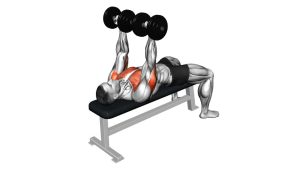
Dumbbell Incline Hammer Press
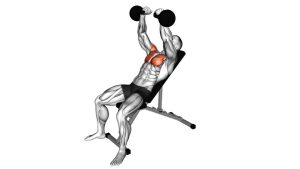
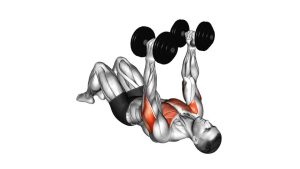
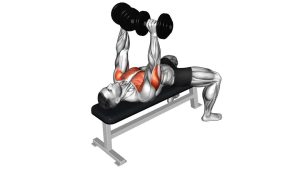
This movement shines when you keep your shoulders packed and your reps controlled. You’re aiming for strong upper-chest tension, not bouncing or turning it into a front-delt dominant press. Keep wrists stacked, elbows slightly tucked, and drive the dumbbells up in a smooth path while maintaining full-body stability on the bench.
Quick Overview
| Body Part | Chest |
|---|---|
| Primary Muscle | Upper chest (clavicular head of pectoralis major) |
| Secondary Muscle | Anterior deltoids, triceps, serratus anterior (stabilization) |
| Equipment | Incline bench + dumbbells |
| Difficulty | Beginner–Intermediate (neutral grip is often shoulder-friendly) |
Sets & Reps (By Goal)
- Muscle gain (hypertrophy): 3–5 sets × 8–12 reps (60–120 sec rest)
- Strength focus: 4–6 sets × 4–6 reps (2–3 min rest)
- Endurance / pump: 2–4 sets × 12–20 reps (45–75 sec rest)
- Shoulder-friendly pressing (technique): 2–3 sets × 8–10 reps (slow tempo, 60–90 sec rest)
Progression rule: Add reps first (hit the top of the range with clean form), then increase weight in small jumps. Keep at least 1–2 reps in reserve if your shoulders start to feel unstable.
Setup / Starting Position
- Set the bench angle: Use a moderate incline (about 30–45°). Too steep shifts more stress to the front delts.
- Get stable: Plant feet flat. Keep glutes on the bench and brace your core.
- Pack the shoulders: Pull shoulder blades down and back to create a stable “shelf.”
- Grip and wrist position: Hold dumbbells with palms facing each other. Keep wrists stacked over elbows.
- Start position: Dumbbells near upper-chest level, elbows slightly tucked (roughly 30–45° from the torso).
Tip: Think “chest up, shoulders down.” If you feel your shoulders rising as you press, lighten the load and reset your scapula.
Execution (Step-by-Step)
- Inhale and brace: Take a controlled breath and lock in your ribcage/core to stay stable.
- Press up smoothly: Drive the dumbbells upward while maintaining the neutral grip and steady shoulder position.
- Keep elbows controlled: Elbows stay slightly tucked—don’t flare hard or drift too far forward.
- Finish strong: Reach the top with arms nearly straight (no aggressive lockout). Avoid shrugging.
- Lower with control: Descend 2–3 seconds until dumbbells return to upper-chest level. Keep tension—no bounce.
Pro Tips & Common Mistakes
- Use a moderate incline: Too steep = more front delts, less upper chest.
- Don’t slam the bottom: Control the descent and avoid bouncing off the chest/shoulders.
- Keep wrists stacked: Letting wrists bend back reduces pressing power and can irritate joints.
- Avoid shrugging: Keep shoulders down—shrugging steals tension and can irritate the shoulder.
- Don’t flare aggressively: A neutral grip + slightly tucked elbows is usually the smoothest path.
- Use full ROM you can own: Lower until you feel a chest stretch without shoulder pinching.
FAQ
What makes the incline hammer press different from a regular incline dumbbell press?
The neutral grip (palms facing each other) often feels more comfortable on the shoulders and naturally keeps the elbows slightly tucked. It still targets the upper chest, but many lifters find it easier to press heavy with stable mechanics.
Where should I feel this exercise the most?
You should feel it mainly in the upper chest, with triceps and front delts assisting. If you feel mostly shoulders, reduce the bench angle, slow the lowering phase, and keep shoulder blades packed.
How low should I bring the dumbbells?
Lower until you feel a controlled stretch in the chest without shoulder pinching. Your forearms should stay close to vertical, and your elbows should not drift far below the bench line if that causes discomfort.
Is this a good option for shoulder discomfort?
For many people, yes—because the neutral grip and elbow tuck can feel more joint-friendly. Still, discomfort can be individual. Use a lighter weight, moderate incline, and stop if you feel sharp pain or pinching.
Can I do this as my main chest press?
Absolutely. You can build a full chest program around it by pairing it with a flat press variation and a fly/cable movement. Progress load slowly and prioritize consistent form.
Recommended Equipment (Optional)
- Adjustable Incline Bench — stable incline setup for consistent pressing angles
- Hex Dumbbells Set — secure grip and easy loading for progressive overload
- Wrist Wraps — extra support if wrists fatigue on heavier sets
- Resistance Bands Set — great for warm-ups (band pull-aparts) and shoulder prep
- Lifting Straps (Optional) — only if grip limits heavier dumbbells (most people won’t need these)
Tip: For smoother reps, warm up with light presses and a few sets of band pull-aparts to “switch on” the upper back.