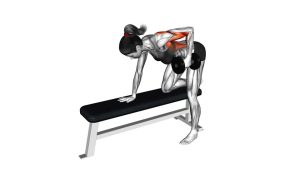
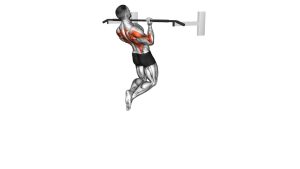
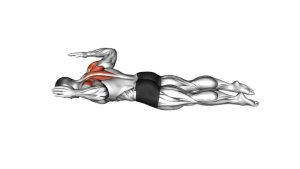
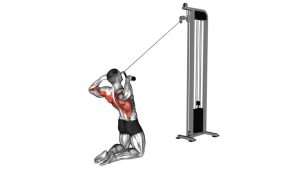
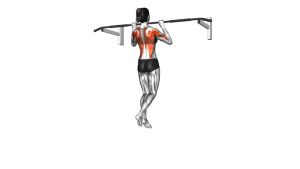
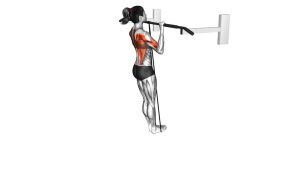
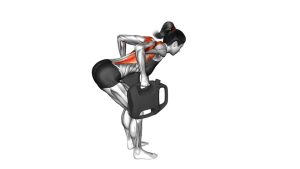
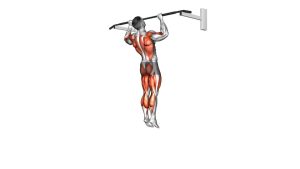
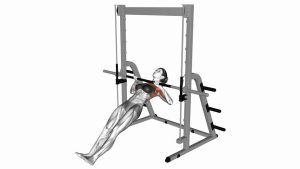
Standing Boat Row: Form, Muscles Worked, Sets, Tips & FAQ
Learn the Standing Boat Row for stronger back, better posture, and controlled rowing power. Includes form steps, sets, mistakes, FAQs, and gear.
Standing Boat Row
This exercise works best when the pull starts from the shoulder blades instead of the hands. Therefore, focus on drawing the elbows backward, keeping the wrists neutral, and maintaining a tall chest throughout each repetition. Also, avoid leaning backward to create momentum because that reduces upper-back tension.
Quick Overview
| Body Part | Back |
|---|---|
| Primary Muscle | Middle back, latissimus dorsi, rhomboids, and trapezius |
| Secondary Muscle | Rear delts, biceps, forearms, and core stabilizers |
| Equipment | Cable machine or resistance band with handle |
| Difficulty | Beginner to Intermediate |
Sets & Reps (By Goal)
- Muscle activation: 2–3 sets × 12–15 reps with light resistance and a smooth squeeze.
- Back strength: 3–4 sets × 8–12 reps with moderate resistance and strict posture.
- Posture training: 2–4 sets × 10–15 reps with a 1–2 second shoulder-blade squeeze.
- Endurance / warm-up: 2–3 sets × 15–20 reps using easy resistance and controlled tempo.
Progression rule: First improve control and range. Then, increase resistance only when you can row without leaning back, shrugging, or rushing the return.
Setup / Starting Position
- Stand tall: Place your feet about shoulder-width apart and keep your knees slightly soft.
- Hold the handle: Grip the cable or band handle with both hands, then extend your arms forward.
- Create tension: Step back enough to feel resistance before the pull begins.
- Set your posture: Keep your chest lifted, ribs controlled, shoulders relaxed, and neck neutral.
- Brace lightly: Engage your core so your torso does not rock during the row.
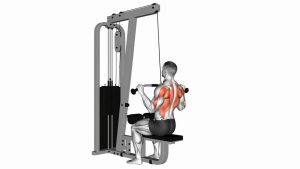
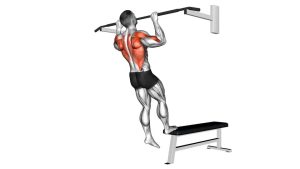
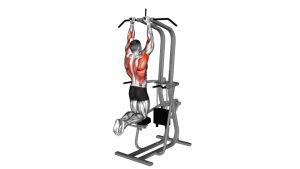
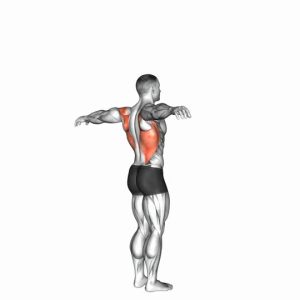
In the video, the body stays steady during the pull. Because of that, the exercise appears focused on clean back engagement rather than heavy momentum.
Execution (Step-by-Step)
- Start with arms extended: Let the shoulders reach slightly forward while keeping the spine neutral.
- Begin the row: Pull the elbows backward close to your sides instead of lifting them high.
- Bring the handle in: Guide the handle toward the lower chest or upper-abdomen area.
- Squeeze the back: At the end of the pull, bring the shoulder blades together without shrugging.
- Pause briefly: Hold the contraction for a short moment while keeping your chest open.
- Return with control: Extend the arms forward slowly and allow the shoulder blades to move apart.
- Repeat smoothly: Keep every repetition consistent, controlled, and free from body swing.
Pro Tips & Common Mistakes
- Pull with the elbows: Think about driving your elbows behind you rather than curling the handle with your hands.
- Keep shoulders down: Do not shrug at the top of the row. Instead, keep the neck relaxed.
- Control the return: The forward phase should be slow enough to keep tension on the back.
- Avoid leaning back: A stable torso makes the row more effective and safer.
- Do not overbend the wrists: Keep wrists straight so the forearms and elbows line up naturally.
- Use full but clean range: Let the arms extend, then row back until the shoulder blades squeeze.
- Breathe naturally: Exhale as you row in, then inhale as you return forward.
FAQ
What muscles does the Standing Boat Row work?
The Standing Boat Row mainly works the upper and middle back, including the lats, rhomboids, and traps. Additionally, the rear delts, biceps, forearms, and core assist during the movement.
Is the Standing Boat Row good for posture?
Yes. Because the exercise trains scapular retraction and upper-back control, it can support better posture. However, it works best when paired with chest mobility, rear-delt work, and consistent daily posture habits.
Should I use a cable or resistance band?
Both can work well. A cable gives steady resistance, while a band is more portable and easier for home workouts. Choose the option that lets you keep your torso stable and your rowing path clean.
Where should I feel this exercise?
You should feel the exercise across the mid-back, upper back, and lats. You may also feel the biceps helping. If you mostly feel your neck or traps, lower the resistance and keep your shoulders down.
What is the biggest mistake during this row?
The biggest mistake is using body momentum. When the torso rocks backward, the back muscles do less direct work. Therefore, use a lighter load and make the elbows and shoulder blades control the repetition.
Recommended Equipment
- Resistance Bands with Handles — useful for performing standing rows at home or while traveling.
- Door Anchor for Resistance Bands — helps create a secure pulling angle for band-based rows.
- Cable Machine Row Handle — ideal for cable row variations with a comfortable neutral grip.
- Foam Grip Exercise Handles — improves comfort when rowing with bands or cable attachments.
- Exercise Mat — provides stable footing and a comfortable training area for home workouts.
Tip: Choose equipment that lets you row smoothly without slipping, jerking, or losing posture.