Dumbbell Prone W Raise: Proper Form, Sets, Benefits & Common Mistakes
Learn how to do the Dumbbell Prone W Raise with proper form. Discover muscles worked, setup tips, sets and reps by goal, common mistakes, FAQs, and recommended equipment.
Dumbbell Prone W Raise
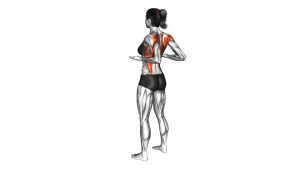
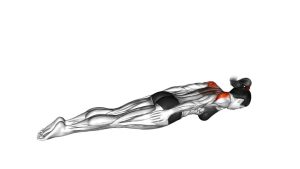
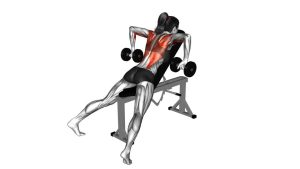
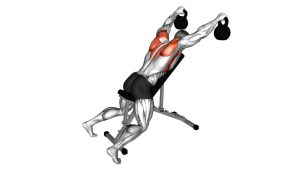
This exercise is excellent for lifters who want stronger rear shoulders, better upper-back activation, and healthier shoulder mechanics. Because your chest stays supported on the bench, it reduces body swing and makes it easier to isolate the target muscles. The goal is not to lift heavy, but to move with control, keep the elbows bent, and form a clean “W” shape while squeezing the upper back.
Quick Overview
| Body Part | Rear Shoulders |
|---|---|
| Primary Muscle | Rear deltoids |
| Secondary Muscle | Rhomboids, middle trapezius, lower traps, rotator cuff stabilizers |
| Equipment | Dumbbells and an incline bench |
| Difficulty | Beginner to Intermediate |
Sets & Reps (By Goal)
- Muscle activation / warm-up: 2–3 sets × 10–15 reps with very light weight and slow control
- Rear-delt hypertrophy: 3–4 sets × 10–15 reps with controlled tempo and brief squeeze at the top
- Shoulder stability / posture work: 2–4 sets × 12–20 reps using strict form and smooth scapular movement
- Accessory upper-body training: 3 sets × 8–12 reps near the end of your shoulder or upper-back workout
Progression rule: First improve control, range, and top-position squeeze. Then increase reps before increasing load. This exercise usually works best with light-to-moderate dumbbells.
Setup / Starting Position
- Adjust the bench: Set an incline bench to a low-to-moderate angle so your chest can stay supported comfortably.
- Lie face down: Position your chest on the pad with your head neutral and feet planted firmly on the floor.
- Hold the dumbbells: Let your arms hang down naturally under your shoulders with a neutral or slightly pronated grip.
- Set your shoulders: Keep the shoulders down and away from the ears before starting each rep.
- Brace lightly: Tighten your core just enough to stay stable without lifting your chest off the bench.
Tip: Choose dumbbells lighter than you think you need. This movement is about precise rear-delt and upper-back activation, not maximal loading.
Execution (Step-by-Step)
- Start from the hang: Let the dumbbells hang below you while keeping your neck neutral and chest supported.
- Lead with the elbows: Raise your upper arms out and slightly back while bending the elbows.
- Form the “W”: At the top, your elbows should be bent and your arms should resemble a clear W shape.
- Squeeze the upper back: Retract the shoulder blades gently and pause for a brief moment without shrugging.
- Lower under control: Slowly return the dumbbells to the starting position without letting them drop.
- Repeat smoothly: Maintain the same path and tempo on every rep to keep tension on the rear delts and upper back.
Pro Tips & Common Mistakes
- Use light weight: Heavy dumbbells usually turn this into a sloppy row instead of a true rear-delt raise.
- Keep the chest down: Don’t lift your torso off the bench to create momentum.
- Don’t shrug: Keep the shoulders depressed so the upper traps do not dominate the movement.
- Lead with the elbows: Think about moving the elbows up and out, not just curling the dumbbells upward.
- Pause briefly at the top: A short squeeze improves rear-delt and scapular engagement.
- Control the lowering phase: The eccentric portion helps build better shoulder control and muscle tension.
- Keep your neck neutral: Avoid craning the head upward during the set.
- Stay strict: This exercise rewards precision much more than speed or heavy loading.
FAQ
What muscles does the Dumbbell Prone W Raise work?
It primarily targets the rear deltoids. Secondary muscles include the rhomboids, middle traps, and other upper-back stabilizers that help control the shoulder blades.
Is the Dumbbell Prone W Raise a rear-delt exercise or an upper-back exercise?
It is both, but the main emphasis is usually on the rear delts with strong assistance from the upper back. The exact feel depends on your arm path, bench angle, and how well you control scapular movement.
How heavy should I go on this exercise?
Start lighter than you would for rows or presses. Most people get the best results with a weight they can control for clean reps without swinging, shrugging, or losing the W position.
Can beginners do Dumbbell Prone W Raises?
Yes. It is beginner-friendly when done with light dumbbells and careful technique. It is a useful exercise for learning shoulder control, improving posture, and strengthening undertrained rear delts.
What is the biggest mistake in the Dumbbell Prone W Raise?
The biggest mistake is using too much weight. That usually causes momentum, shoulder shrugging, and a row-like motion that reduces rear-delt isolation.
Recommended Equipment
- Adjustable Dumbbells — practical for gradually increasing weight while keeping this exercise strict and controlled
- Adjustable Weight Bench — essential for setting the right incline and keeping the chest supported throughout the movement
- Light Neoprene or Studio Dumbbells — ideal for beginners who need lighter loading to learn the correct W raise pattern
- Resistance Bands Set — useful for pairing with rear-delt, rotator cuff, and scapular activation work in the same session
- Foam Roller — helpful for upper-back mobility work before shoulder training or posture-focused sessions
Tip: A stable bench and appropriately light dumbbells will improve your results more than simply buying heavier equipment.