Ring Swing: Form, Benefits, Sets, Tips & Ring Control Guide
Learn the Ring Swing for shoulder stability, core control, and gymnastic ring rhythm with setup, steps, mistakes, FAQs, and equipment tips.
Ring Swing
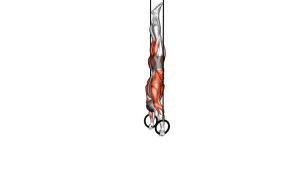
The Ring Swing is useful for building confidence on gymnastic rings because it teaches the athlete how to manage momentum without losing shoulder position. The rings move freely, so the body must stay organized from the hands to the feet. A good rep looks smooth, quiet, and controlled. The arms remain straight, the grip stays firm, and the core controls the transition between the forward and backward swing.
Quick Overview
| Body Part | Shoulders |
|---|---|
| Primary Muscle | Shoulder stabilizers, lats, core muscles |
| Secondary Muscle | Forearms, grip muscles, upper back, glutes, hip flexors |
| Equipment | Gymnastic rings with secure straps and an overhead anchor |
| Difficulty | Beginner to intermediate depending on swing height, control, and ring stability |
Sets & Reps (By Goal)
- Beginner control: 3–4 sets × 10–20 seconds with small swings and full-body tension.
- Shoulder stability: 3–5 sets × 15–30 seconds using slow, controlled rhythm.
- Ring skill preparation: 4–6 sets × 20–40 seconds while practicing arch-to-hollow timing.
- Warm-up activation: 2–3 sets × 8–12 gentle swings before ring rows, ring dips, or ring holds.
- Grip endurance: 3–4 sets × 20–45 seconds, stopping before grip quality breaks down.
Progression rule: Increase control before increasing swing height. A smaller swing with clean rhythm is better than a large swing with loose shoulders, bent knees, or unstable rings.
Setup / Starting Position
- Set the rings: Hang the rings from a secure overhead anchor with both straps even in length.
- Grip firmly: Hold one ring in each hand with a strong neutral grip. Keep the wrists stacked and controlled.
- Start in a dead-hang position: Arms are straight overhead, shoulders active, and body vertical.
- Create body tension: Keep the legs together, knees extended, glutes lightly squeezed, and core braced.
- Set the shoulders: Avoid passive hanging. Keep the shoulder blades controlled so the neck does not sink between the shoulders.
- Prepare a small swing: Begin with a gentle forward-and-back rhythm before building any speed.
A clean starting position makes the swing safer and easier to control. If the rings shake immediately, reduce tension, reset your grip, and begin with a smaller range.
Execution (Step-by-Step)
- Begin from a controlled hang: Keep the arms straight, shoulders engaged, legs together, and body long.
- Initiate a gentle forward swing: Let the body move like a pendulum while keeping the rings close to stable.
- Open into a slight arch: As the body travels forward, allow the chest to open and the hips to extend slightly without overextending the lower back.
- Pass through the bottom smoothly: Stay tight as the body moves under the rings. This is where speed is highest, so keep the core braced.
- Shift into a hollow shape: As the body swings backward, bring the ribs down, engage the abs, and keep the legs slightly in front of the body line.
- Control the peak: At the top of each swing, let the motion slow naturally without bending the elbows or losing shoulder tension.
- Repeat with rhythm: Continue alternating between a slight arch and hollow shape while keeping the swing smooth and controlled.
- Finish safely: Reduce the swing size gradually before placing the feet down or stepping out of the rings.
Pro Tips & Common Mistakes
Pro Tips
- Keep the arms long: Straight arms help transfer force cleanly through the shoulders and core.
- Use arch-to-hollow timing: Think “open” on the forward swing and “brace” on the backward swing.
- Keep the legs together: Straight, connected legs make the body easier to control.
- Control the rings: Keep both rings moving evenly so one side does not drift ahead of the other.
- Start small: Small swings build better control than large swings done too early.
- Breathe calmly: Do not hold your breath for the entire set. Use steady breathing to maintain rhythm.
Common Mistakes
- Using too much momentum: Large uncontrolled swings increase stress on the shoulders and grip.
- Bending the elbows: Turning the drill into a pull reduces the purpose of the swing and may disrupt rhythm.
- Letting the shoulders collapse: Passive hanging can create discomfort and poor ring control.
- Overarching the lower back: The arch should be controlled, not a hard lumbar extension.
- Kicking the legs: The legs should stay long and connected instead of whipping forward and backward.
- Stopping suddenly: Always slow the swing gradually before stepping down.
FAQ
What muscles does the Ring Swing work?
The Ring Swing mainly trains the shoulder stabilizers, lats, core, grip, and upper back. It also uses the glutes and hip flexors to help control the hollow and arch positions.
Is the Ring Swing good for beginners?
Yes, but beginners should start with very small swings. The goal is to learn control, not height. A stable grip, active shoulders, and a tight core are required before increasing range.
Should my elbows bend during the Ring Swing?
No. The elbows should stay straight throughout the drill. Bending the elbows turns the movement into a pulling pattern and makes the swing less efficient.
How high should I swing?
Swing only as high as you can control. For most beginners, a small forward-and-back pendulum is enough. Increase height only when the rings remain stable and your body stays tight.
Why do my rings shake during the movement?
Ring shaking usually comes from loose shoulders, uneven pulling, weak grip, or too much swing speed. Reduce the range, brace the core, and keep both rings moving evenly.
Can Ring Swings help with muscle-up training?
Yes. Ring Swings can help build rhythm, shoulder control, grip confidence, and body tension, which are useful foundations for more advanced ring skills. However, they should be mastered before explosive transitions.
Recommended Equipment
- Wooden Gymnastic Rings — ideal for grip comfort, ring rows, support holds, and swing practice.
- Gymnastic Rings with Adjustable Straps — useful for setting ring height safely and evenly.
- Liquid Chalk — helps improve grip when hands become sweaty during ring training.
- Gymnastics Grips — helps protect the palms during longer ring sessions.
- Exercise Mat — provides a safer landing surface under the rings during practice.
Tip: Check ring straps, buckles, and anchor points before every session. Ring training depends on secure equipment and controlled movement.