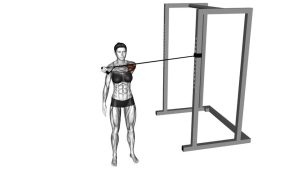
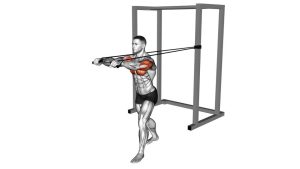
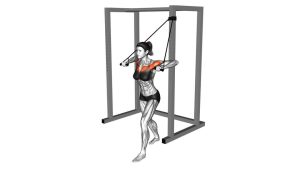
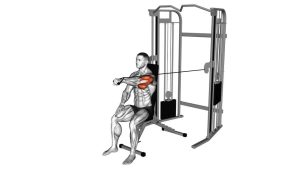
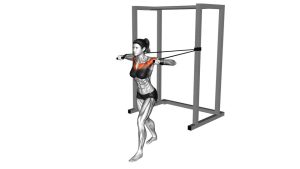
Band Low Alternate Chest Press: Form, Muscles Worked, Sets & Reps, Tips
Learn how to do the Band Low Alternate Chest Press with perfect form. Step-by-step cues, muscles worked, sets & reps by goal, common mistakes, FAQs, and recommended resistance-band gear.
Band Low Alternate Chest Press
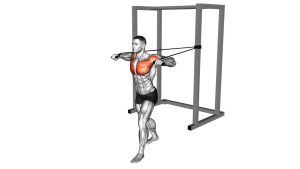
This variation is ideal when you want a joint-friendly chest press that’s easy to set up and highly adjustable. A low anchor creates a natural low-to-high press angle (often felt more in the upper chest) while the alternating rhythm reinforces shoulder stability and anti-rotation control.
Quick Overview
| Body Part | Chest |
|---|---|
| Primary Muscle | Pectoralis major (often upper fibers emphasized with low anchor) |
| Secondary Muscle | Anterior deltoid, triceps, serratus anterior, core/obliques (anti-rotation) |
| Equipment | Resistance band + door anchor or stable low anchor point |
| Difficulty | Beginner–Intermediate (progresses with band tension + tempo + pause) |
Sets & Reps (By Goal)
- Muscle gain (hypertrophy): 3–5 sets × 8–15 reps/side (60–90 sec rest)
- Strength emphasis: 4–6 sets × 5–8 reps/side (90–120 sec rest, heavier band)
- Endurance / conditioning: 2–4 sets × 15–25 reps/side (30–60 sec rest)
- Warm-up / activation: 2–3 sets × 8–12 reps/side (easy tension, strict form)
Progression rule: Add reps first, then add tension. When you can hit the top of the rep range with clean control and no torso twist, increase band resistance or add a 1–2 second pause at full extension.
Setup / Starting Position
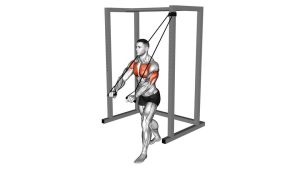
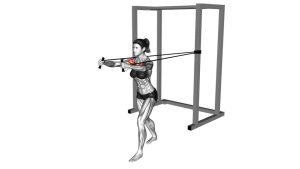
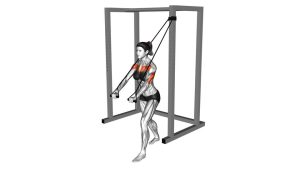
- Anchor low and behind you: Set the band at about waist-to-lower-chest height (stable post or door anchor).
- Grab the handles/band ends: Step forward until you feel moderate tension with elbows bent.
- Stagger your stance: One foot forward for balance; knees soft; glutes lightly engaged.
- Set your “press frame”: Elbows slightly below shoulder height, wrists straight, shoulders down and back.
- Brace your trunk: Ribs stacked over pelvis—avoid leaning back to “cheat” the press.
Tip: If you feel unstable, widen your stance slightly and keep your forward foot planted like a tripod.
Execution (Step-by-Step)
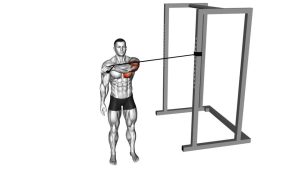
- Start in guard position: Both hands near the chest, elbows bent, band tension loaded.
- Press one arm: Drive the hand forward and slightly upward until the elbow is nearly straight.
- Stay square: Keep hips and shoulders facing forward—resist rotating toward the pressing side.
- Brief pause: Squeeze the chest for 1 second at full extension while breathing calmly.
- Return slowly: Bring the hand back under control to the starting position.
- Alternate sides: Repeat on the other arm and continue alternating with steady tempo.
Pro Tips & Common Mistakes
- Press on a slight diagonal: Low anchor usually means forward + slightly up (don’t turn it into an overhead press).
- Keep wrists stacked: Knuckles forward, wrists neutral—avoid bending back under tension.
- Control the return: Don’t let the band yank you—slow eccentrics build the chest.
- Don’t shrug: Shoulders stay down; think “long neck” and chest proud.
- Avoid torso twist: The alternating pattern is anti-rotation training—brace and stay square.
- Elbow path matters: Keep elbows ~30–60° from the torso for a shoulder-friendly press.
FAQ
What’s the benefit of alternating reps instead of pressing both arms together?
Alternating presses increase core anti-rotation demand and help you build unilateral control. It can also reduce compensation and reveal side-to-side strength or stability differences.
Where should I feel this exercise the most?
Primarily in the chest with support from the front shoulders and triceps. With a low anchor, many people feel an upper-chest bias, especially when pressing slightly upward.
How do I make it harder without heavier weights?
Increase band tension, add a 1–2 second pause at full extension, slow the eccentric (3–4 seconds), or use a more challenging stance (narrower or split stance) while staying controlled.
My shoulder feels “pinchy.” What should I change?
Reduce range, keep elbows slightly closer to your body, avoid shrugging, and ensure your shoulder blade stays stable. If discomfort persists, swap to a neutral-grip band press setup (if possible) or consult a professional.
Recommended Equipment
- Resistance Bands Set (Loop or Tube) — multiple tension levels for progression
- Door Anchor for Resistance Bands — creates a safe, consistent anchor point at different heights
- Resistance Band Handles / Grips — improves comfort and wrist alignment during presses
- Carabiners + Band Connectors — quick attachment for handles and different band setups
- Non-Slip Exercise Mat — improves footing and stability for standing band work
Tip: Choose bands with durable latex and reinforced anchors. Replace bands that show cracks or thinning.