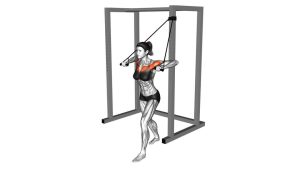
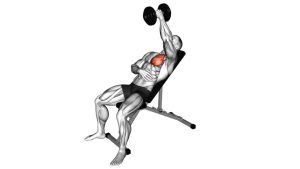
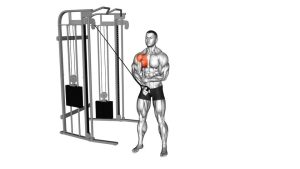
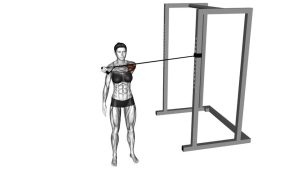
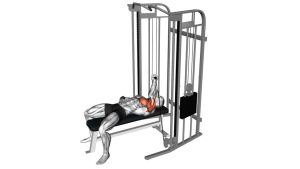
Cable Seated Single-Arm Chest Press: Form, Muscles Worked, Sets, Tips & FAQ
Learn how to do the Cable Seated Single-Arm Chest Press with proper form. Discover muscles worked, setup, step-by-step execution, sets and reps by goal, common mistakes, FAQs, and recommended equipment.
Cable Seated Single-Arm Chest Press
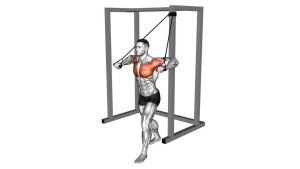
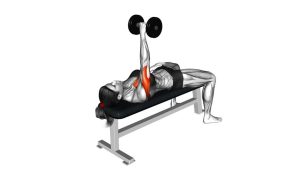
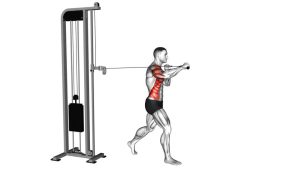
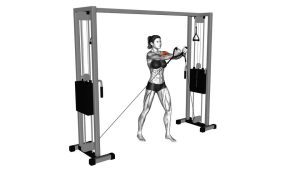
Compared with bilateral machine or barbell presses, this exercise forces each side of the chest, shoulder, and triceps to work independently. The cable provides continuous tension, while the seated setup helps keep the torso stable and the movement path consistent. It works well for hypertrophy, control-focused training, accessory pressing volume, and identifying strength imbalances between sides.
Quick Overview
| Body Part | Chest |
|---|---|
| Primary Muscle | Pectoralis major |
| Secondary Muscle | Anterior deltoid, triceps brachii, serratus anterior, deep core stabilizers |
| Equipment | Cable machine, single D-handle, flat bench |
| Difficulty | Beginner to intermediate |
Sets & Reps (By Goal)
- Muscle growth: 3–4 sets × 8–12 reps per side, 60–90 sec rest
- Strength emphasis: 4–5 sets × 5–8 reps per side, 90–120 sec rest
- Technique and control: 2–4 sets × 10–15 reps per side, moderate load, smooth tempo
- Accessory chest volume: 2–3 sets × 12–15 reps per side near the end of the workout
Progression rule: First improve control, range, and symmetry between sides. Then add small load increases while keeping the torso steady and the press path clean.
Setup / Starting Position
- Position the bench: Place a flat bench between the cable towers so the working handle lines up around mid-chest height.
- Sit tall: Plant both feet firmly on the floor and keep your spine neutral with the chest gently lifted.
- Grab one handle: Hold the D-handle with one hand using a neutral or slightly pronated grip.
- Set the elbow: Bring the handle beside your chest with the elbow bent roughly 75–90 degrees.
- Brace your torso: Keep the ribs stacked over the hips and resist leaning, rotating, or shrugging the shoulder.
Tip: Before you start pressing, lightly squeeze the bench with your legs and brace your abs to reduce torso rotation.
Execution (Step-by-Step)
- Start from control: Hold the handle just outside the chest with the shoulder packed and wrist neutral.
- Press forward: Drive the handle straight forward until the arm is nearly extended in front of the body.
- Keep tension on the chest: Think about bringing the upper arm across the body rather than just straightening the elbow.
- Pause briefly: At the front, squeeze the chest without locking the elbow hard or rolling the shoulder forward excessively.
- Return slowly: Let the handle travel back under control until you feel a comfortable stretch through the chest.
- Repeat evenly: Finish all reps on one side, then switch arms and match the same control and range.
Pro Tips & Common Mistakes
- Do not twist the torso: The unilateral load will try to rotate you, so brace your core and stay square on the bench.
- Keep the shoulder down: Avoid shrugging as you press, especially near lockout.
- Do not flare the elbow too high: A moderate elbow angle usually feels better on the shoulder and keeps tension on the chest.
- Use full control on the eccentric: The lowering phase is where you reinforce stability and keep the chest under tension.
- Match both sides honestly: Do not let your stronger side dictate the load if the weaker side cannot maintain the same standard.
- Keep the wrist stacked: A bent-back wrist can make the press feel less stable and reduce force transfer.
- Do not bounce into the stretch: Return only as far as you can control without the shoulder drifting into a poor position.
FAQ
What makes the seated single-arm cable chest press different from a regular chest press?
The main difference is the unilateral setup. Training one arm at a time increases the stability demand on your core and helps expose left-to-right strength or control imbalances more clearly than bilateral pressing.
Where should I feel this exercise the most?
You should primarily feel it in the chest, with assistance from the front deltoid and triceps. Your core should also work to keep the torso from rotating.
Is this exercise good for hypertrophy?
Yes. The cable provides consistent tension and the unilateral format can improve mind-muscle connection, making it a strong option for chest hypertrophy when performed with controlled reps.
Should I press across the body or straight forward?
In most setups, the path is mostly straight forward with a slight inward arc. You want the chest to drive the motion, but not so much across the body that shoulder position becomes unstable.
Can beginners use this exercise?
Yes, provided the load is light enough to maintain posture and control. It is often easier to learn than standing single-arm cable presses because the seated position reduces balance demands.
Recommended Equipment
- Cable Machine Handles — useful for replacing worn grips or improving comfort during unilateral cable pressing
- Adjustable Weight Bench — gives you a stable seat for cable presses and supports other chest training variations
- Resistance Band Set — great for warm-ups, activation work, and extra chest or shoulder volume outside the cable station
- Exercise Mat — helpful for floor-based warm-ups, mobility drills, and post-workout stretching
- D-Handle Cable Attachment — a compact single-handle option that works especially well for one-arm cable pressing exercises
Tip: For this exercise, prioritize a comfortable handle, stable bench setup, and controlled cable path before thinking about heavier loads.