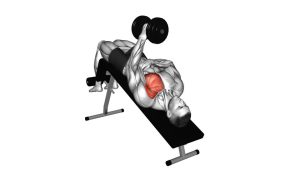
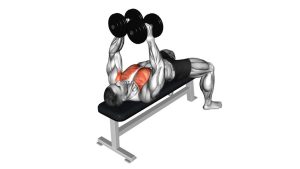
Dumbbell Floor Fly: Proper Form, Sets & Reps, Tips, Mistakes, FAQ + Gear
Learn the Dumbbell Floor Fly for chest isolation with a shoulder-friendly range of motion. Step-by-step form cues, sets & reps by goal, common mistakes, FAQs, and recommended Amazon gear.
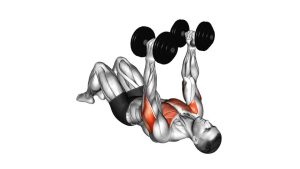
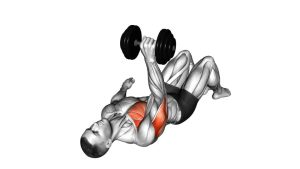
Dumbbell Floor Fly
Floor flys reward control more than heavy load. Use a weight you can lower smoothly without elbow bending into a press. You should feel the work mainly in the pecs, with the shoulders staying stable and down (not shrugged).
Quick Overview
| Body Part | Chest |
|---|---|
| Primary Muscle | Pectoralis major (sternal fibers emphasis) |
| Secondary Muscle | Anterior deltoids (stabilizing), biceps (elbow stabilization), serratus anterior (light) |
| Equipment | Dumbbells + floor space (optional: exercise mat) |
| Difficulty | Beginner–Intermediate (easier shoulder range than bench flys) |
Sets & Reps (By Goal)
- Muscle growth (hypertrophy): 3–5 sets × 8–15 reps (60–90 sec rest, controlled tempo)
- Chest pump / finisher: 2–4 sets × 12–20 reps (45–75 sec rest, lighter weight)
- Strength accessory (control-focused): 3–4 sets × 6–10 reps (90–120 sec rest, slower eccentric)
- Home workout maintenance: 2–4 sets × 10–15 reps (steady pace, clean reps)
Progression rule: Add reps first (up to the top of the range), then add small weight increases. Keep the same elbow bend and tempo—if it turns into a press, the load is too heavy.
Setup / Starting Position
- Lie on the floor: Back flat, knees bent, feet planted for stability (use a mat if needed).
- Start above the chest: Dumbbells stacked over mid-chest with palms facing each other (neutral grip).
- Set the shoulders: Keep shoulder blades gently pulled down and back—no shrugging.
- Soft elbows: Slight bend in the elbows and keep it consistent throughout the set.
- Brace lightly: Ribs down, core engaged, neck relaxed.
Tip: If your shoulders feel cranky, start with lighter dumbbells and shorten the arc. The floor already limits depth—use that advantage.
Execution (Step-by-Step)
- Inhale and lower: Open the arms in a wide arc, lowering the dumbbells slowly (2–3 seconds).
- Keep elbows fixed: Maintain the same slight elbow bend—don’t turn it into a press or triceps movement.
- Touch down softly: Let the upper arms (or elbows) gently contact the floor—no bouncing.
- Pause and control: Brief 0–1 second pause to keep tension and eliminate momentum.
- Exhale and “hug” up: Bring the dumbbells back together in the same arc, squeezing the chest at the top.
Pro Tips & Common Mistakes
Pro Tips
- Own the eccentric: A slow lowering phase builds more control and better pec tension.
- “Hug a barrel” cue: Think wide arc in and out—don’t press straight up and down.
- Stay stacked: Dumbbells finish above mid-chest, not over the face.
- Keep wrists neutral: Don’t let dumbbells tilt back—stack wrist over elbow.
- Match both sides: Lower evenly and return evenly to avoid shoulder irritation.
Common Mistakes
- Turning it into a press: Elbows bending and extending a lot = too heavy or wrong pattern.
- Going too wide: Excessive stretch can stress the shoulder—keep it within control.
- Bouncing off the floor: Removes tension and can irritate elbows/shoulders.
- Shrugging shoulders: Elevating traps steals tension from the pecs.
- Speed reps: Swinging dumbbells reduces chest work and increases joint stress.
FAQ
Is the dumbbell floor fly safer than a bench dumbbell fly?
Often, yes. The floor limits depth, reducing shoulder extension at the bottom. It can be a great option if bench flys make your shoulders feel overstretched—provided you still use good control.
Where should I feel it?
Mainly in the chest—a controlled stretch near the bottom and a strong squeeze as you bring the arms back together. If you feel mostly front-shoulder pinching, reduce range and slow the tempo.
How heavy should I go?
Use a weight you can lower slowly without changing elbow bend. If your reps start looking like a press, go lighter. For most lifters, flys work best with moderate load + strict control.
How do I make it harder without heavier dumbbells?
Try a 3–4 second eccentric, add a 1–2 second pause at the bottom, increase reps, or perform 1.5 reps (down → halfway up → down → full up).
Who should avoid this exercise?
Anyone with acute shoulder injury or movements that consistently cause sharp pain should choose a more supported option (like a machine fly or cable fly with a shorter range) and consult a professional if needed.
Recommended Equipment
- Adjustable Dumbbells — space-saving way to progress weight at home
- Thick Exercise Mat — improves comfort and stability on the floor
- Dumbbell Grip Handles / Grips — helpful if forearms fatigue before the chest
- Workout Gloves (Optional) — comfort and traction for longer sets
- Resistance Bands Set — great for pairing with flys (band pull-aparts / rows) for balanced shoulders
Tip: Choose tools that help you train consistently. If any product or setup increases shoulder discomfort, adjust range or switch variations.