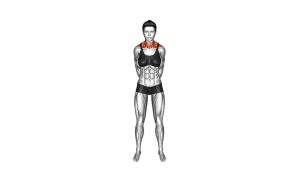
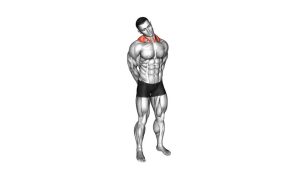
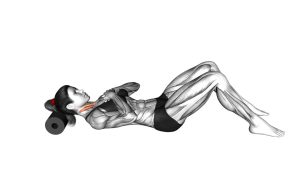
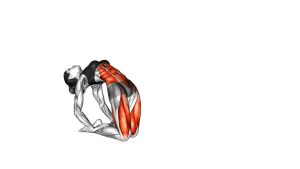
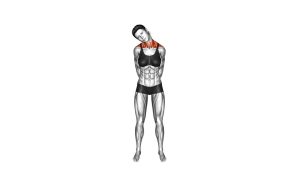
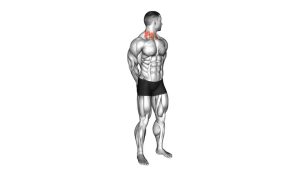
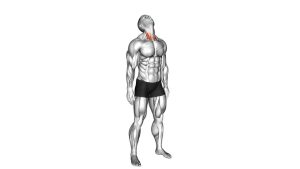
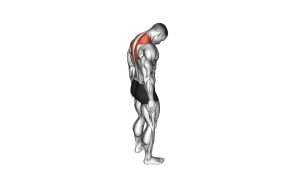
Seated Sky Look Stretch: How to Do the Seated Neck Extension Stretch Safely (Form, Benefits, FAQ)
Learn how to perform the Seated Sky Look Stretch (seated neck extension stretch) to improve cervical mobility and gently open the front of the neck. Includes step-by-step form, sets & holds by goal, mistakes to avoid, FAQs, and optional equipment.
Seated Sky Look Stretch
This drill is best performed with slow control and easy breathing. You should feel a mild stretch through the front of the neck and upper chest, not pinching, dizziness, or headache-like pressure. Keep the motion small and comfortable—especially if you sit at a desk or frequently look down at a phone.
Quick Overview
| Body Part | Neck |
|---|---|
| Primary Muscle | Anterior neck tissues (SCM and scalenes — gentle stretch) |
| Secondary Muscle | Deep neck flexors (lengthened), upper thoracic posture muscles (light support) |
| Equipment | None (optional: chair back for support, rolled towel) |
| Difficulty | Beginner (low-intensity mobility stretch) |
Sets & Reps (By Goal)
- Daily mobility (general): 2–3 sets × 6–10 slow reps (1–2 sec up, 2–4 sec hold, 2 sec down)
- Desk break “reset”: 1–2 sets × 4–8 reps (small range, easy effort, breathe calmly)
- Warm-up for posture training: 2 sets × 6–8 reps (pause 2–3 sec at the top)
- Stretch emphasis (holds): 2–4 rounds × 10–20 sec comfortable hold (30–45 sec rest)
Progression rule: Add 1–2 reps or a few seconds of hold time first. Only increase range if your neck stays relaxed and you can breathe smoothly with zero pinching.
Setup / Starting Position
- Sit tall: Sit on a chair or bench with feet flat and hips evenly weighted.
- Stack posture: Ribs down, chest gently lifted, shoulders relaxed (no shrugging).
- Neutral head start: Eyes forward, chin level (avoid starting with a forward-head posture).
- Hands placement: Rest hands on thighs/knees or lightly hold the chair to keep shoulders down.
- Breathing: Take 1–2 calm breaths to relax your jaw and throat before moving.
Tip: If you tend to arch your low back when looking up, imagine your spine growing tall first, then let the head tilt back without “rib flare.”
Execution (Step-by-Step)
- Lengthen first: Sit tall and gently draw the shoulder blades down and back (lightly).
- Begin the tilt: Slowly tip the head back as your gaze travels upward toward the ceiling.
- Stay smooth: Keep the movement slow and comfortable—avoid any sudden “drop” into extension.
- Hold and breathe: Pause 2–4 seconds (or 10–20 seconds for a stretch hold) while breathing normally.
- Return with control: Bring your head back to neutral slowly, keeping shoulders relaxed.
Pro Tips & Common Mistakes
Pro Tips
- Go “tall then up”: Posture first, then extension—this keeps the movement clean and comfortable.
- Keep shoulders heavy: Think “shoulders in pockets” to prevent shrugging.
- Use your breath: Exhale slowly during the hold to reduce guarding in the throat/neck.
- Small range is powerful: Even a small sky-look can restore mobility if done consistently.
- Pair it smart: Combine with upper-back work (rows/face pulls) and chest opening for posture benefits.
Common Mistakes
- Forcing end range: Cranking the head back can compress joints and irritate sensitive structures.
- Rib flare / low-back arch: Using the spine instead of the neck reduces the targeted effect.
- Shoulder shrugging: Elevating traps adds tension and often triggers neck tightness.
- Holding your breath: Breath-holding increases neck stiffness—keep it calm.
- Moving too fast: A quick “look up” skips control and increases the chance of discomfort.
FAQ
Where should I feel this stretch?
Most people feel a gentle stretch along the front/side of the neck (SCM/scalenes) and sometimes the upper chest. You should not feel sharp pinching in the back of the neck.
How often can I do it?
For most people, this is safe to do daily at low intensity. Start with 1–2 sets and keep the range small. If you feel soreness or headache-like symptoms afterward, reduce volume and range.
Is this good for “tech neck” or forward head posture?
It can help restore comfortable neck extension and awareness, but best results come from combining it with deep neck flexor training (chin tucks) and upper-back strengthening.
What if I feel dizziness when looking up?
Stop immediately and avoid pushing into extension. Dizziness is a red flag symptom for this type of motion. If it persists, consider getting guidance from a qualified healthcare professional before continuing.
Should I stretch hard to increase flexibility faster?
No. Neck mobility improves best with gentle, repeated exposure. Stay in a comfortable range, breathe smoothly, and progress gradually over days/weeks.
Recommended Equipment (Optional)
- Cervical Roll / Neck Support Roll — helps maintain a neutral neck position when resting or practicing posture
- Cervical Contour Pillow — supports neck alignment for sleep and recovery (use what feels comfortable)
- Neck & Shoulder Relaxer (Traction-Style Pillow) — optional decompression-style support; use lightly and discontinue if symptoms increase
- Posture Corrector (Light Reminder Brace) — awareness tool to reduce shoulder rounding (not a replacement for strengthening)
- Foam Roller (Thoracic Spine Mobility) — improves upper-back extension, often making neck extension feel smoother
Tip: Tools should make you feel better, not worse. If any item increases symptoms, stop using it and reassess.