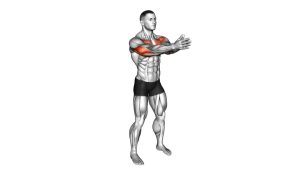
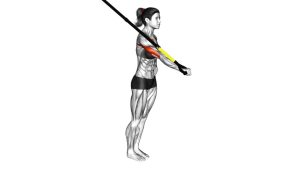
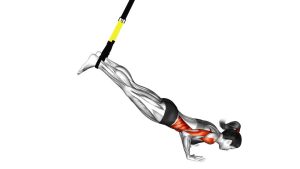
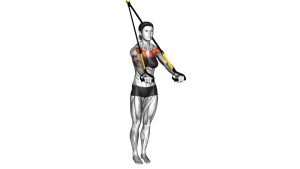
Suspension Chest Press (TRX Chest Press): Form, Sets & Reps, Tips & FAQ
Master the Suspension Chest Press (TRX chest press) to build stronger pecs, shoulders, and triceps with core-stability benefits. Learn perfect setup, step-by-step form, sets by goal, mistakes to avoid, FAQs, and recommended gear.
Suspension Chest Press (TRX Chest Press)
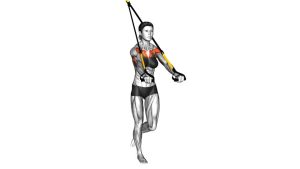
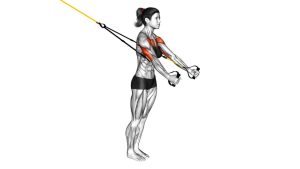
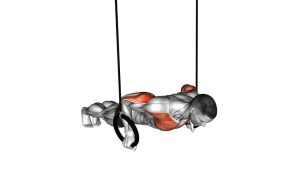
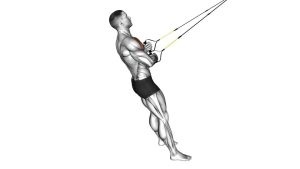
This movement is essentially a push-up pattern with handles that move independently. That extra freedom forces your shoulders and core to stabilize every rep. Keep your wrists neutral, maintain strap tension, and press with control—your best reps will look quiet and steady.
Quick Overview
| Body Part | Chest |
|---|---|
| Primary Muscle | Pectoralis major (chest) |
| Secondary Muscle | Anterior deltoids, triceps, serratus anterior, core stabilizers |
| Equipment | Suspension trainer (TRX-style straps) + secure anchor point |
| Difficulty | Beginner to Intermediate (scale by body angle and stance) |
Sets & Reps (By Goal)
- Strength focus: 4–6 sets × 4–8 reps (90–150 sec rest, steeper lean = harder)
- Hypertrophy (muscle building): 3–5 sets × 8–15 reps (60–90 sec rest, controlled tempo)
- Endurance / conditioning: 2–4 sets × 15–25 reps (30–60 sec rest, moderate lean)
- Warm-up / shoulder prep: 2–3 sets × 8–12 reps (easy angle, perfect form)
Progression rule: First add reps with the same clean form. Then increase difficulty by leaning farther forward (or moving feet back) while keeping your body rigid and shoulders stable.
Setup / Starting Position
- Set the straps: Handles at mid-chest height when you’re standing upright. Anchor must be secure.
- Face away from the anchor: Hold one handle in each hand. Step forward to create strap tension.
- Choose your difficulty: More upright = easier. More forward lean = harder.
- Brace and align: Squeeze glutes lightly, ribs down, core tight—body stays like a plank.
- Hand position: Start with hands around chest level, wrists neutral, shoulders “down and back.”
Tip: Start easier than you think. A small lean with perfect control beats a deep lean with shoulder wobble.
Execution (Step-by-Step)
- Start tall and tight: Maintain strap tension with arms extended and a rigid body line.
- Lower under control: Bend elbows and allow the chest to travel forward between the hands.
- Keep elbows in a safe track: Aim ~30–45° from your torso (not flared straight out).
- Pause briefly: Stop when you reach a strong stretch across the chest without shoulder pinching.
- Press back: Drive the handles forward and return to arms-extended position, keeping body rigid.
Pro Tips & Common Mistakes
- Keep a plank: Glutes and core on—don’t let the low back arch.
- Don’t shrug: Shoulder blades stay stable; think “shoulders away from ears.”
- Control the straps: Avoid bouncing or swinging—smooth reps build more muscle.
- Elbow flare is the #1 mistake: Too wide stresses shoulders. Keep a moderate elbow angle.
- Wrists neutral: Don’t let wrists fold back; grip the handles firmly but not death-grip.
- Range of motion is earned: Stop just before shoulder discomfort—progress depth gradually.
FAQ
Where should I feel the suspension chest press?
You should feel most of the work in the chest, with assistance from the triceps and front shoulders. Your core should also feel engaged to keep your body rigid.
How do I make it easier or harder?
Easier: Stand more upright and shorten the range. Harder: Lean farther forward, move feet back, slow the lowering phase, or add a pause at the bottom.
Is this better than push-ups?
It’s not “better,” but different. Suspension presses increase stability demands and allow easy difficulty scaling by angle. Push-ups are more stable and easier to load consistently.
My shoulders feel unstable—what should I change?
Reduce the lean angle, keep elbows at ~30–45°, and stop the descent before discomfort. Emphasize slow control, and consider adding scapular stability work (like push-up plus or band pull-aparts) to your routine.
How should I breathe?
Inhale as you lower, exhale as you press. Keep the ribs stacked (don’t flare) so your core stays engaged.
Recommended Equipment
- TRX / Suspension Trainer Kit — the main tool for strap-based chest presses and full-body training
- Suspension Trainer Door Anchor — helps you anchor safely at home (check door strength and setup)
- Wall/Ceiling Mount Anchor (Heavy Duty) — a more permanent anchor option for consistent training
- Non-Slip Exercise Mat — improves footing and comfort, especially on hard or slippery floors
- Resistance Bands Set — great for pairing with back work (rows/pull-aparts) to balance pressing volume
Tip: Prioritize a secure anchor and strap tension before each set. If the setup feels unstable, reduce intensity or change anchoring method.