Suspension Trainer Chest Press with Internal Rotation: Form, Sets & Tips
Learn the Suspension Trainer Chest Press with Internal Rotation to build strong pecs and shoulder stability using TRX-style straps. Step-by-step form, sets by goal, common mistakes, FAQs, and recommended equipment.
Suspension Trainer Chest Press with Internal Rotation
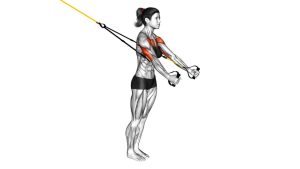
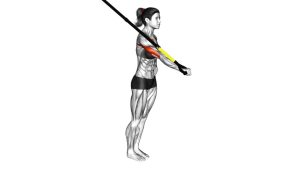
This variation works best when you treat it like a slow, controlled press, not a fast fly. You should feel the work mainly in the chest with supportive effort from the shoulders and core. The internal rotation happens at the end of the press to create a tighter chest contraction— it should feel strong but not forced.
Quick Overview
| Body Part | Chest |
|---|---|
| Primary Muscle | Pectoralis major (chest) |
| Secondary Muscle | Anterior deltoids, serratus anterior, triceps (support); core stabilizers |
| Equipment | Suspension trainer (TRX-style straps) + secure anchor |
| Difficulty | Intermediate (instability + bodyweight angle control) |
Sets & Reps (By Goal)
- Muscle building (hypertrophy): 3–5 sets × 8–15 reps (60–90 sec rest)
- Strength focus: 4–6 sets × 5–8 reps (90–120 sec rest, use a steeper lean)
- Endurance / conditioning: 2–4 sets × 12–20 reps (45–75 sec rest)
- Shoulder-friendly control work: 2–3 sets × 6–10 reps (slow tempo, 60–90 sec rest)
Progression rule: First increase control (slower reps or a 1–2 sec squeeze at the top), then increase reps. Make it harder by walking your feet closer to the anchor (more lean), not by forcing rotation.
Setup / Starting Position
- Anchor height: Set the straps high and confirm the anchor is secure and stable.
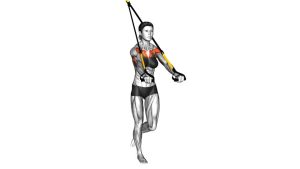
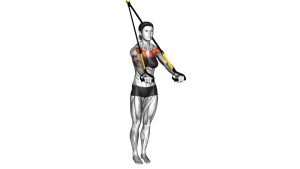
- Handle position: Hold the handles with a neutral grip, hands in front of the chest.
- Body line: Step forward and lean back so your body forms a straight line from head to heels.
- Brace: Tighten glutes and abs; keep ribs down to avoid arching the low back.
- Shoulders set: “Down and back” lightly—don’t shrug. Keep the neck long and relaxed.
Tip: If you’re new to suspension pressing, start more upright (less lean). You can always increase difficulty by stepping forward later.
Execution (Step-by-Step)
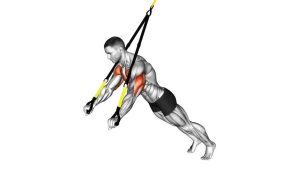
- Lower into the press: Bend elbows and let your chest travel forward between the handles. Keep your body rigid.
- Control shoulder position: Keep shoulders stable and avoid collapsing into the front of the joint.
- Press back: Drive the handles forward to return to the start, squeezing the chest.
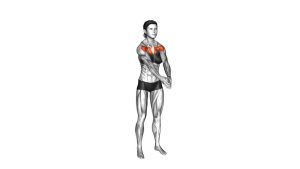
- Add internal rotation: Near the top, rotate arms slightly inward (comfortable range) to intensify the chest contraction.
- Reset and repeat: Return to neutral grip/position under control and start the next rep smoothly.
Pro Tips & Common Mistakes
- Use your body angle for difficulty: More lean = harder. Don’t chase difficulty by cranking rotation.
- Keep wrists neutral: Don’t let the hands collapse backward—grip the handles firmly.
- Elbow path matters: Aim for ~30–60° from the torso (not flared straight out).
- Don’t shrug: Shoulders up = traps take over and the joint can feel unstable.
- Control the bottom: Avoid dropping into a deep stretch if it compromises shoulder comfort.
- Tempo upgrade: Try 2 seconds down, 1 second squeeze (with rotation), 2 seconds up for cleaner reps.
FAQ
Where should I feel this exercise?
Mainly in the chest—especially near the top where you add the inward rotation and squeeze. You’ll also feel shoulders and core working to stabilize. If you feel sharp pain or pinching in the shoulder, reduce lean and range.
Is the internal rotation required?
No. You can do a standard suspension chest press first. Add a small internal rotation only if it feels smooth and comfortable. The goal is a better chest contraction—not forcing your shoulders into an awkward position.
How do I make it easier or harder?
Easier: stand more upright (less lean), shorten range, slow down.
Harder: step feet closer to the anchor (more lean), add a 1–2 second squeeze, or increase reps—keep form strict.
Can I use this instead of push-ups?
Yes. It’s a great push-up alternative because you can scale difficulty easily and challenge shoulder stability. Keep your body rigid like a plank for the best transfer to push-up strength.
Who should be cautious with this movement?
Anyone with current shoulder pain, instability, or limited shoulder rotation should keep the range conservative and skip the rotation if needed. If symptoms persist, get guidance from a qualified professional.
Recommended Equipment (Optional)
- Suspension Trainer (TRX-Style Straps) — the main tool for scalable chest pressing and stability work
- Door Anchor for Suspension Trainer — helpful for home setups when a fixed anchor isn’t available
- Thick Exercise Mat — improves comfort and stability for warm-ups, core work, and knee-supported variations
- Resistance Bands Set — great for pairing with pulling/posture work (rows, pull-aparts) to balance pressing volume
- Grip Strengthener — useful if grip fatigue limits your suspension trainer sets
Tip: Always verify anchor security before each set. If the straps slip or the door/anchor feels unstable, stop and reset your setup.