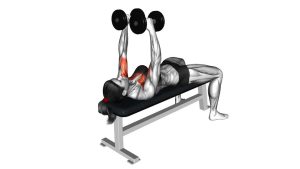
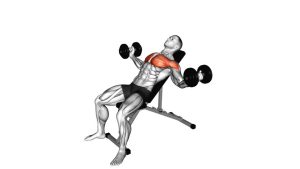
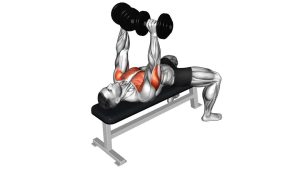
Dumbbell Incline Low Fly: Upper Chest Form, Sets & Reps, Tips
Master the Dumbbell Incline Low Fly for upper-chest growth with safe setup, step-by-step form cues, sets & reps by goal, common mistakes, FAQs, and recommended equipment.
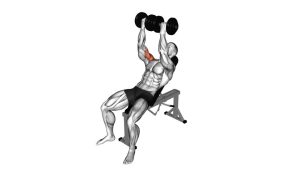
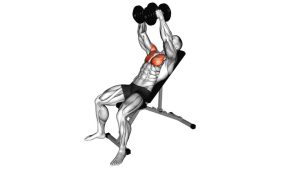
Dumbbell Incline Low Fly
This exercise is about tension and control, not maximal weight. The goal is a strong upper-chest contraction with a comfortable stretch at the bottom. If you feel most of the work in the front delts or your shoulders feel “pinchy,” reduce range of motion, lower the weight, and re-set your shoulder position.
Quick Overview
| Body Part | Chest |
|---|---|
| Primary Muscle | Upper chest (Pectoralis major — clavicular head) |
| Secondary Muscle | Anterior deltoid, biceps (stabilization), serratus anterior, rotator cuff |
| Equipment | Incline bench + dumbbells |
| Difficulty | Intermediate (shoulder control + tempo matter) |
Sets & Reps (By Goal)
- Hypertrophy (best use): 3–4 sets × 8–15 reps (60–90 sec rest, controlled tempo)
- Strength-support (accessory): 3–5 sets × 6–10 reps (90–120 sec rest, strict form)
- Endurance / pump: 2–3 sets × 15–20 reps (45–75 sec rest, lighter load)
- Warm-up / activation: 2 sets × 12–15 reps (very light, focus on positioning)
Progression rule: Add reps first while keeping the same arc and shoulder position. When you hit the top of the rep range with clean form, increase dumbbells slightly.
Setup / Starting Position
- Set the bench: Use a moderate incline (about 20–45°). Too steep shifts more work to shoulders.
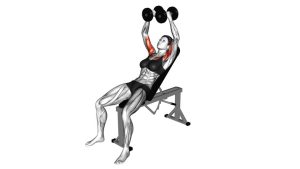
- Start with dumbbells up: Sit, place DBs on thighs, then “kick” them into position and lie back safely.
- Shoulders set: Pull shoulder blades down and slightly back (stable chest-up position).
- Elbows soft: Maintain a small bend (about 15–25°) and keep it consistent for the whole set.
- Neutral wrists: Stack knuckles over wrists—avoid wrist collapse.
Tip: Think “proud chest + long neck.” If shoulders creep up toward your ears, reset before the next rep.
Execution (Step-by-Step)
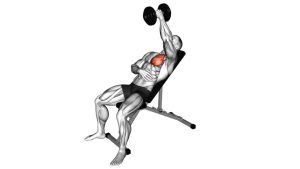
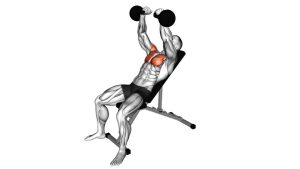
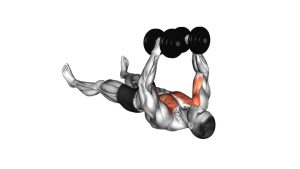
- Lower in a wide arc: Open the arms slowly until you feel a chest stretch—no bouncing.
- Keep elbows fixed: Don’t turn it into a press (no big elbow bend/extend).
- Stop at your safe depth: Upper arms roughly in line with torso (or slightly below) while shoulders stay packed.
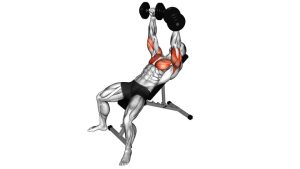
- Bring DBs back together: “Hug” upward and inward until the dumbbells meet over the upper chest line.
- Squeeze and breathe: Brief pause at the top, then repeat with the same controlled path.
Pro Tips & Common Mistakes
- Use a moderate incline: Very steep inclines shift load to the delts.
- Control the eccentric: 2–3 seconds down keeps tension where you want it.
- Don’t over-stretch: Chasing depth often irritates shoulders—stop where you stay stable.
- Keep elbows slightly bent: Locked elbows increase joint stress and reduce control.
- Avoid turning it into a press: If elbows start driving, reduce weight and re-focus on the arc.
- Match both sides: Keep reps symmetrical—don’t let one DB drift forward.
FAQ
Where should I feel the Dumbbell Incline Low Fly?
You should feel the strongest tension in the upper chest near the clavicle line, with mild assistance from the front delts. If the shoulders dominate, reduce incline angle and shorten the range slightly.
How low should I lower the dumbbells?
Lower until you feel a controlled stretch while keeping shoulders stable (no pinching). For many lifters, that’s when the upper arms are about in line with the torso or just slightly below.
Is this better than a flat dumbbell fly for upper chest?
Incline fly variations generally bias the clavicular (upper) chest more than flat flies. Flat flies tend to emphasize mid-chest more evenly.
What’s the difference between a fly and a press?
In a fly, the elbow angle stays mostly the same and the motion is a wide arc. In a press, elbows bend and extend significantly, shifting more work to triceps and shoulders.
How do I make it safer for my shoulders?
Use lighter dumbbells, slow the lowering phase, stop at a comfortable depth, and keep your shoulder blades down and slightly back. If discomfort persists, switch to a cable fly for a smoother resistance curve.
Recommended Equipment (Optional)
- Adjustable Incline Weight Bench — stable incline angles for consistent fly mechanics
- Adjustable Dumbbells Set — quick load changes for progressive overload without clutter
- Rubber Hex Dumbbell Pairs — durable option with stable placement and easy handling
- Lifting Chalk — improves grip so you can focus on control instead of slipping
- Foam Roller — helpful for thoracic mobility and chest/shoulder positioning work
Tip: Prioritize a stable bench and manageable dumbbells. For flies, control beats load—every time.