Dumbbell Incline Alternate Fly: Form, Muscles Worked, Sets, Tips & FAQ
Learn how to do the Dumbbell Incline Alternate Fly with proper form to target the upper chest. Includes muscles worked, setup, step-by-step execution, sets and reps by goal, common mistakes, FAQ, and recommended equipment.
Dumbbell Incline Alternate Fly
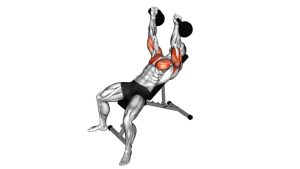
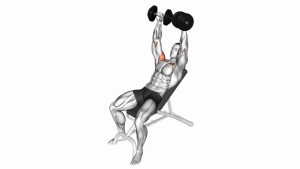
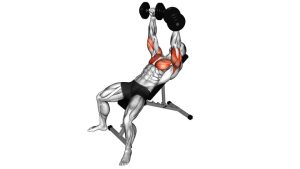
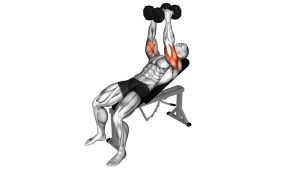
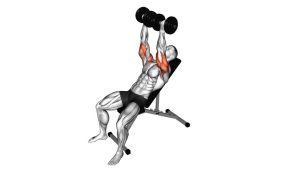
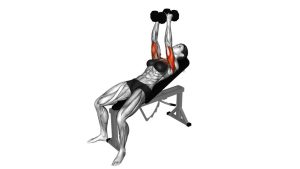
This exercise is best performed with moderate loads, controlled tempo, and clean chest-driven mechanics. The incline bench shifts emphasis toward the clavicular head of the pectoralis major, while the alternating pattern makes each rep more deliberate and stable. You should feel a strong stretch at the bottom and a focused chest contraction near the top without turning the movement into a press.
Quick Overview
| Body Part | Chest |
|---|---|
| Primary Muscle | Upper chest (clavicular head of the pectoralis major) |
| Secondary Muscle | Anterior deltoids, biceps (stabilization), serratus anterior, rotator cuff stabilizers |
| Equipment | Incline bench and a pair of dumbbells |
| Difficulty | Beginner to Intermediate |
Sets & Reps (By Goal)
- Muscle growth: 3-4 sets × 8-12 reps per side with 60-90 seconds rest
- Technique and control: 2-3 sets × 10-15 reps per side with light-to-moderate weight
- Chest finisher: 2-3 sets × 12-15 reps per side with slow eccentric control
- Balanced unilateral work: 3 sets × 8-10 reps per side, matching reps and tempo on both arms
Progression rule: Add reps before adding load. Once you can maintain a full chest stretch, smooth arc, and stable shoulder position across all sets, increase the dumbbells gradually.
Setup / Starting Position
- Set the bench: Adjust an incline bench to roughly 30-45 degrees to emphasize the upper chest without making the movement overly shoulder-dominant.
- Get into position: Sit down with a dumbbell in each hand, then lie back with your head, upper back, and hips supported by the bench.
- Plant your feet: Keep both feet flat on the floor for full-body stability.
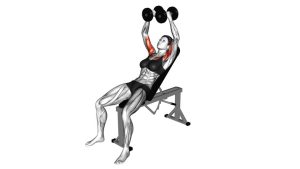
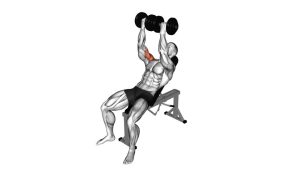
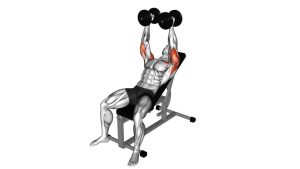
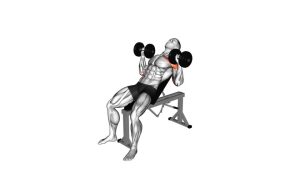
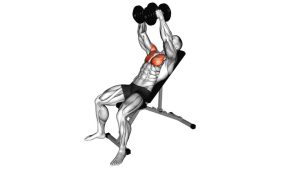
- Start above the chest: Hold the dumbbells over the upper chest with palms facing each other or slightly turned inward and elbows softly bent.
- Set your shoulders: Pull the shoulder blades gently back and down to create a stable pressing surface and keep the chest lifted.
Tip: Think “open the chest and lock in the upper back” before the first rep. A stable upper-back position makes the fly smoother and safer.
Execution (Step-by-Step)
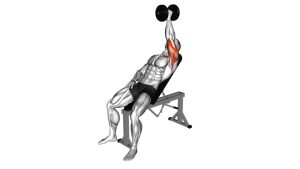
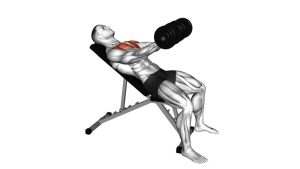
- Lower one arm out wide: Begin the rep by letting one dumbbell travel outward in a controlled arc while the opposite arm stays in the top or ready position.
- Maintain elbow angle: Keep a slight bend in the working elbow throughout the rep. Do not turn it into a straight-arm swing or a deep press.
- Feel the stretch: Lower until the chest is fully stretched but the shoulder still feels secure and packed.
- Bring the arm back in: Squeeze the upper chest to reverse the arc and return the dumbbell over the upper chest.
- Pause briefly: Stop just short of smashing the dumbbells together so the chest stays loaded.
- Switch sides: Repeat the same motion with the opposite arm while keeping the torso stable and the non-working arm under control.
- Continue alternating: Alternate sides evenly until both arms complete the target number of reps.
Pro Tips & Common Mistakes
- Use moderate weight: Heavy dumbbells often reduce range of motion and turn the exercise into a sloppy press-fly hybrid.
- Keep the elbows softly bent: Too much bend makes it a press; too little can overload the shoulder joint.
- Don’t rush the eccentric: The lowering phase is where a lot of chest stimulus comes from.
- Keep the chest high: If your shoulders roll forward, you lose pec tension and increase shoulder stress.
- Match both sides: Use the same depth, tempo, and rep count on each arm to avoid developing side-to-side imbalances.
- Don’t slam the top: Bring the dumbbell back over the chest smoothly without bouncing or losing tension.
- Stay within a safe stretch: More range is not always better. Stop where the pec is stretched and the shoulder still feels stable.
FAQ
What muscles does the Dumbbell Incline Alternate Fly work most?
It mainly targets the upper chest, especially the clavicular fibers of the pectoralis major. The front delts and shoulder stabilizers also assist.
Is this better than a regular incline dumbbell fly?
Not necessarily better for everyone, but it does offer more unilateral control and longer time under tension. Many lifters find it easier to focus on one side at a time and improve chest engagement.
Should I touch the dumbbells together at the top?
No. Bring them close enough to finish the contraction, but do not crash them together. Keeping a little space helps preserve tension and control.
How low should I go on each rep?
Lower until you feel a strong chest stretch while keeping the shoulder secure. If the front of the shoulder feels strained, reduce the depth slightly.
Can beginners use this exercise?
Yes, as long as the weight stays manageable and the movement stays controlled. Beginners should prioritize technique and a safe range of motion over heavy loading.
Recommended Equipment
- Adjustable Weight Bench — essential for setting the proper incline angle and supporting stable upper-chest training
- Adjustable Dumbbell Set — lets you scale the load precisely as your control and strength improve
- Resistance Bands Set — useful for warm-ups, activation drills, and pairing chest work with shoulder stability training
- Push-Up Stands — a good accessory for adding extra chest volume and stretch-focused bodyweight work
- Foam Roller — helpful for upper-back mobility and pec soft-tissue prep before incline chest sessions
Tip: For this movement, prioritize a stable bench and controllable dumbbells first. Accessories are helpful, but the best results come from clean technique and progressive overload.