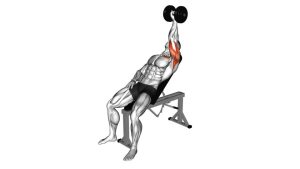
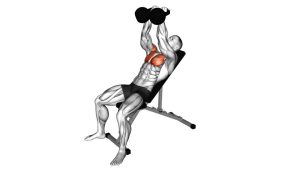
Kettlebell Incline Palm-In Press: Form, Sets & Reps, Tips, Mistakes + FAQ
Learn how to do the Kettlebell Incline Palm-In Press to build upper-chest strength with a shoulder-friendly neutral grip. Step-by-step setup, pressing cues, sets by goal, common mistakes, FAQs, and recommended gear.
Kettlebell Incline Palm-In Press
This press rewards tight setup and controlled reps. Keep your shoulder blades gently back and down, ribs stacked (no excessive arch), and wrists neutral. The goal is strong upper-chest tension without shoulder shrugging or kettlebells wobbling all over the place.
Quick Overview
| Body Part | Chest |
|---|---|
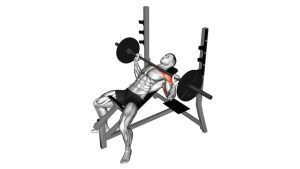
| Primary Muscle | Upper chest (clavicular head of pectoralis major) |
| Secondary Muscle | Anterior deltoids, triceps, serratus anterior (stability), core bracing |
| Equipment | Incline bench + two kettlebells (optional: wrist wraps) |
| Difficulty | Intermediate (extra stability demand due to kettlebell offset load) |
Sets & Reps (By Goal)
- Muscle growth (hypertrophy): 3–5 sets × 6–12 reps (60–120 sec rest)
- Strength focus: 4–6 sets × 3–6 reps (2–3 min rest)
- Control & stability: 2–4 sets × 8–10 reps (slow 3-sec lower, 60–90 sec rest)
- Upper-chest finisher: 2–3 sets × 10–15 reps (short rest, perfect form)
Progression rule: Add reps first while keeping the kettlebells stable and the elbows tracking clean. When you can hit the top of your rep range with control, increase load slightly (or increase tempo control).
Setup / Starting Position
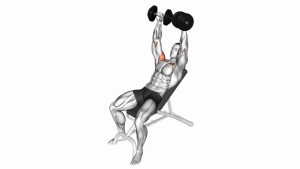
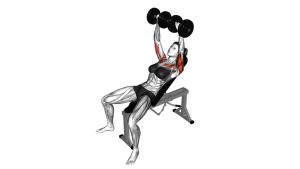
- Set the bench: Use a moderate incline (about 30–45°) to bias the upper chest without turning it into a shoulder press.
- Get stable: Plant feet firmly, lightly brace your core, and keep glutes on the bench.
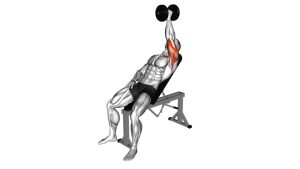
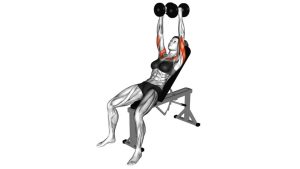
- Rack the kettlebells: Start with the bells near the chest/upper ribcage, handles vertical, palms facing each other.
- Set the shoulders: Pull shoulder blades back and down and keep the chest “proud,” without over-arching.
- Elbow angle: Keep elbows slightly in (about 30–60° from the torso), wrists neutral, and forearms stacked.
Tip: If the kettlebells feel unstable, start lighter and prioritize a clean press path over heavy weight.
Execution (Step-by-Step)
- Inhale and brace: Keep ribs down and shoulder blades set against the bench.
- Press up smoothly: Drive the kettlebells upward while maintaining the palms-in grip and stable wrists.
- Track the elbows: Elbows move up and slightly forward—not flared wide and not pinned tight to the ribs.
- Finish stacked: At the top, bells are over the upper chest/shoulder line, arms nearly straight, shoulders not shrugged.
- Lower with control: Take 2–3 seconds down until bells return near chest level; keep tension and avoid bouncing.
Pro Tips & Common Mistakes
- Use a moderate incline: Too steep shifts the work to the shoulders.
- Stay palms-in: Neutral grip is the point—keep wrists stacked and avoid letting bells rotate out.
- Don’t flare hard: Elbows too wide often irritate shoulders and reduces pressing power.
- Avoid shrugging: Shoulders rising at lockout steals tension from the chest.
- No bouncing: Control the bottom—touching the bells to the chest aggressively can strain shoulders.
- Own the eccentric: A 2–3 second lower builds more chest stimulus and improves stability.
FAQ
What does “palm-in” (neutral grip) change?
A neutral grip usually keeps the shoulder in a more comfortable position and helps many lifters press with less front-shoulder irritation. It also encourages a cleaner elbow track for upper-chest emphasis.
Where should I feel this exercise?
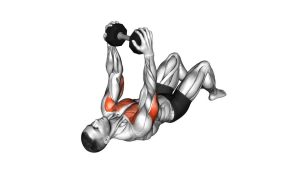
Mostly in the upper chest with help from the triceps and front delts. You’ll also feel extra stability demand in the forearms/wrists because kettlebells are offset-loaded.
How low should I bring the kettlebells?
Lower until your elbows are comfortably below the wrists and you feel a controlled chest stretch—without shoulder pinching. If your shoulders complain, shorten the range slightly.
Is this better than dumbbells for upper chest?
Dumbbells are often easier to load heavier, but kettlebells can be great for stability, control, and a unique feel. Use whichever lets you train hard with the best form and comfort.
What’s a good progression?
First improve control (less wobble), then add reps, then add load. Another great progression is slower eccentrics (3 seconds down) before you go heavier.
Recommended Equipment (Optional)
- Adjustable Incline Weight Bench — stable incline angles for consistent upper-chest pressing
- Competition Kettlebell Pair — consistent sizing and balance for smoother pressing
- Wrist Wraps (Lifting) — helps maintain wrist stacking and reduces strain under load
- Weightlifting Chalk — improves grip so the kettlebells stay stable rep-to-rep
- Workout Gloves (Grip Support) — optional comfort for high-volume sets (choose a thin, grippy style)
Tip: Prioritize a stable bench and manageable kettlebell loads first. Better stability = better chest stimulus and safer shoulders.