Barbell Decline Pullover: Chest Focus Form, Sets & Tips
Learn the Barbell Decline Pullover (chest focus) with correct setup, step-by-step execution, sets & reps by goal, pro tips, common mistakes, FAQs, and recommended equipment.
Barbell Decline Pullover
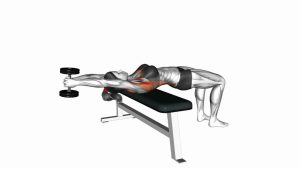
This variation is most effective when you treat it like a controlled chest stretch under load—not a max-weight lift. Aim for a smooth arc, steady breathing, and shoulder stability. If the bar drifts too far behind your head or your elbows bend a lot, the rep often turns into a lat-dominant pull or a triceps-heavy press-back.
Quick Overview
| Body Part | Chest |
|---|---|
| Primary Muscle | Pectoralis major (sternal fibers emphasis) |
| Secondary Muscle | Latissimus dorsi, serratus anterior, long head of triceps (stabilization), core |
| Equipment | Barbell + decline bench (collars recommended) |
| Difficulty | Intermediate (requires shoulder control and appropriate range) |
Sets & Reps (By Goal)
- Hypertrophy (chest accessory): 3–4 sets × 8–12 reps (60–90 sec rest)
- Strength support (controlled heavy-ish): 3–5 sets × 5–8 reps (90–150 sec rest)
- Technique + stretch focus: 2–3 sets × 10–15 reps (45–75 sec rest, slower tempo)
- Finisher / pump: 2–3 sets × 12–20 reps (30–60 sec rest, light load)
Progression rule: Add reps first while keeping the same clean range and shoulder stability. Then add small weight increases. If range shortens or shoulder control breaks, reduce the load.
Setup / Starting Position
- Set the decline bench: Secure your legs under the pads so your hips and torso stay stable.
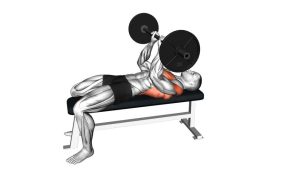
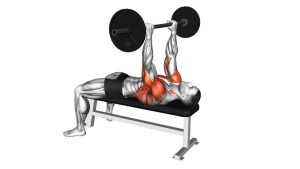
- Bar position: Start with the barbell held above your chest/upper torso.
- Grip: Overhand grip around shoulder-width (slightly wider is fine). Use collars.
- Elbows: Keep a soft bend (not locked, not pressing).
- Shoulders + ribs: Shoulder blades gently “set” on the bench; keep ribs down and core braced.
- Head/neck: Neutral position—avoid craning as the bar travels back.
Tip: Choose a load you can control at the bottom for at least 2 seconds without wobbling.
Execution (Step-by-Step)
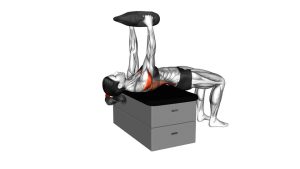
- Start stacked: Bar over chest, elbows softly bent, core tight.
- Lower in an arc: Inhale and slowly bring the bar back over your face toward behind your head.
- Control the bottom: Stop when you feel a deep chest/serratus stretch while shoulders stay stable (no pinching).
- Pull back up: Exhale and bring the bar back along the same arc to above the chest.
- Finish balanced: End with the bar steady over the chest—no bouncing or rushing into the next rep.
Pro Tips & Common Mistakes
Pro Tips
- Think “stretch then sweep”: Controlled stretch at the bottom, smooth return in the same arc.
- Keep elbows softly bent: A fixed slight bend protects the elbows and keeps tension where you want it.
- Use tempo: 2–4 sec down, brief pause, 1–2 sec up for better control and muscle tension.
- Shoulders stay quiet: No shrugging or rolling forward—keep the shoulder blades stable.
- Stop shy of pain: The best range is the deepest stretch you can control without shoulder pinching.
Common Mistakes
- Going too heavy: Causes elbow bend, bouncing, and shoulder stress.
- Overreaching behind the head: Excess range often shifts stress to the shoulder joint.
- Turning it into a press: Bending elbows too much changes the exercise.
- Letting ribs flare: Over-arching to “find range” reduces control and can irritate shoulders.
- Skipping collars: Plates can slide during the arc—use secure collars.
FAQ
Where should I feel the Barbell Decline Pullover?
Most lifters feel a strong stretch across the chest and serratus, with the lats assisting. If you feel mainly shoulder pinching, shorten the range and reduce the load.
Is decline better than flat for chest focus?
Decline can change leverage and often helps some people feel the movement more in the chest. However, individual shoulder structure matters—use the version that feels stable and pain-free.
How low should the bar go?
Lower only until you reach a deep stretch you can control without shoulder discomfort. For many lifters, the bar goes just behind the head—not extremely deep.
Should my elbows stay locked?
No. Keep a soft bend throughout. Locked elbows can stress joints and make control harder. Too much elbow bend, though, turns the rep into a different movement—aim for consistent elbow angle.
When should I program this in a workout?
Use it after your main pressing (bench/decline/incline) as a chest accessory, or as a controlled stretch movement near the end of the session. Keep loads moderate and form strict.
Recommended Equipment
- Adjustable Bench with Decline Option — stable decline setup for pullovers and pressing
- Olympic Barbell (7ft) — smooth rotation and durable feel for controlled arc reps
- Locking Barbell Collars — keeps plates secure during the pullover arc
- Olympic Weight Plates (2-inch) — build load gradually while maintaining perfect control
- Lifting Straps (Optional) — helpful if grip fatigue limits your pullover sets
Tip: Prioritize a bench that feels rock-solid on decline and collars that lock tightly—stability is everything on pullovers.