Ring Planche: Safe Form, Sets, Tips & FAQ
Learn the Ring Planche for elite shoulder strength, core tension, straight-arm control, ring stability, setup, execution, mistakes, and equipment.
Ring Planche
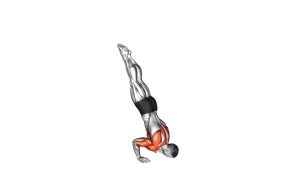
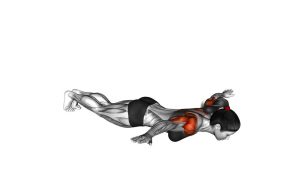
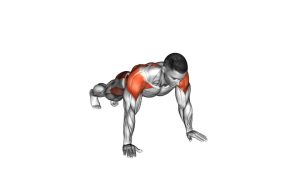
The Ring Planche is not a beginner push-up variation. It is a high-skill isometric hold that demands strong wrists, elbows, shoulders, scapular control, and full-body tension. Unlike a floor planche, the rings move freely, which means your stabilizers must work harder to keep the rings still and your body aligned. The best reps are quiet, controlled, and short enough to maintain clean form.
Quick Overview
| Body Part | Shoulders |
|---|---|
| Primary Muscle | Anterior deltoids |
| Secondary Muscle | Chest, triceps, serratus anterior, core, forearms, lats, upper back stabilizers |
| Equipment | Gymnastics rings, secure anchor point, optional wrist wraps, chalk, and crash mat |
| Difficulty | Advanced to elite |
Sets & Reps (By Goal)
- Skill practice: 4–6 sets × 3–8 second holds with full rest between attempts.
- Strength development: 3–5 sets × 5–10 second controlled holds using the hardest clean progression.
- Planche progression work: 4–6 sets × 6–12 second tuck, advanced tuck, straddle, or band-assisted holds.
- Ring stability focus: 3–4 sets × 8–15 second support holds, planche leans, or assisted planche holds.
- Maintenance: 2–3 sets × 3–6 second high-quality holds after a full shoulder warm-up.
Progression rule: Increase hold time only when your elbows stay locked, shoulders stay protracted, hips do not sag, and the rings remain controlled. Quality matters more than duration.
Setup / Starting Position
- Set the rings low: Place the rings low enough that you can safely enter and exit the position.
- Grip firmly: Hold the rings with a strong neutral or slightly turned-out grip.
- Lock the elbows: Keep both arms straight before leaning into the hold.
- Depress and protract the shoulders: Push the rings down while rounding the upper back slightly.
- Brace the core: Tighten the abs, glutes, and legs before lifting into the planche line.
- Point the toes: Keep the legs long and active to create a clean full-body line.
- Prepare to exit: Keep a safe landing option available, especially if practicing near failure.
Start with easier progressions such as ring support holds, ring planche leans, tuck planche holds, or band-assisted planche work before attempting the full version.
Execution (Step-by-Step)
- Begin in ring support: Press down into the rings with straight arms and a tight body.
- Turn the rings slightly out: Create external rotation and shoulder stability without forcing the wrists.
- Lean forward: Shift your shoulders in front of the rings while keeping the elbows locked.
- Protract the scapulae: Push the upper back away from the rings to avoid collapsing through the shoulders.
- Lift and extend: Bring the body into the planche line with hips high, legs straight, and toes pointed.
- Hold the position: Maintain full-body tension while breathing shallow and controlled.
- Exit safely: Lower the feet or return to an easier support position before form breaks down.
Pro Tips & Common Mistakes
- Do not bend the elbows: Bent elbows turn the movement into a different skill and reduce straight-arm strength demand.
- Keep the shoulders forward: If the shoulders drift behind the rings, the planche line disappears.
- Push tall through the shoulders: Avoid sinking into the shoulder joint or letting the chest collapse.
- Control the rings: Shaking is normal, but wild ring movement means the progression is too hard.
- Avoid hip sag: Keep the abs, glutes, and quads tight to stop the lower back from arching.
- Use progressions honestly: Tuck, advanced tuck, straddle, and band-assisted holds build better strength than sloppy full attempts.
- Warm up the wrists and shoulders: Straight-arm ring work places high demand on connective tissue.
- Stop before failure: Planche training should end when form starts to break, not when you collapse.
FAQ
Is the Ring Planche harder than the floor planche?
Yes. The Ring Planche is usually harder because the rings are unstable. Your shoulders, chest, serratus anterior, forearms, and core must work harder to keep the rings from drifting.
What muscles does the Ring Planche work most?
The main target is the anterior deltoids. The chest, triceps, serratus anterior, core, forearms, lats, and upper back stabilizers also work strongly to hold the body still.
Should beginners try the Ring Planche?
No. Beginners should build ring support strength, scapular control, planche leans, tuck planche holds, and wrist tolerance before attempting this advanced skill.
How long should I hold a Ring Planche?
Most athletes should start with short, clean holds of 3–8 seconds. Longer holds are useful only when the elbows stay locked, the shoulders stay protracted, and the hips do not sag.
Why do my rings shake during the Ring Planche?
Ring shaking happens because your stabilizers are fighting to control the unstable handles. Some shaking is normal, but excessive shaking means you should reduce difficulty or use assistance.
What is the best progression before a full Ring Planche?
Good progressions include ring support holds, ring planche leans, tuck planche, advanced tuck planche, straddle planche, and band-assisted ring planche holds.
Recommended Equipment
- Gymnastics Rings — essential for practicing ring support, planche leans, and Ring Planche holds.
- Pull-Up Bar or Ring Anchor — provides a stable overhead setup for hanging and supporting the rings.
- Calisthenics Wrist Wraps — helps support the wrists during intense straight-arm planche training.
- Gymnastics Chalk — improves grip security when holding unstable rings.
- Gymnastics Crash Mat — adds safety when practicing advanced ring skills close to the floor.
Tip: Choose secure, high-quality rings and anchor points. Ring Planche training creates high force through the shoulders, elbows, wrists, and straps, so safety should always come first.