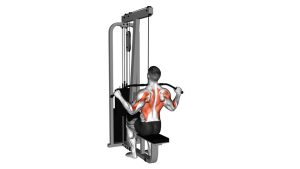
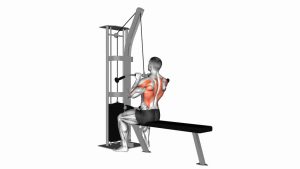
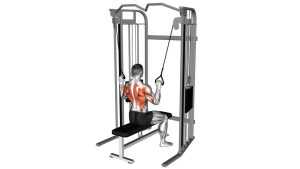
Cable Lateral Pulldown (Rope Attachment): Form, Muscles Worked, Sets & Tips
Learn how to perform the Cable Lateral Pulldown with a rope attachment for better lat engagement and upper-back development. Includes setup, step-by-step form, sets and reps by goal, common mistakes, FAQ, and recommended equipment.
Cable Lateral Pulldown (Rope Attachment)
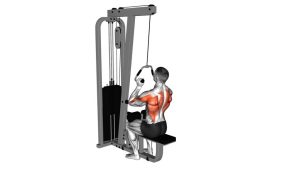
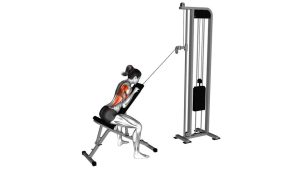
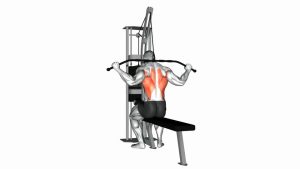
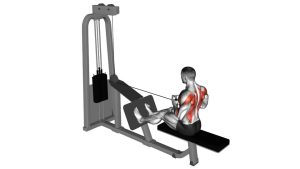
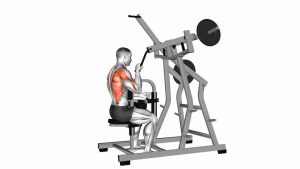
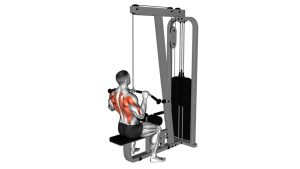
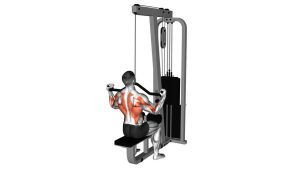
This exercise works best when you treat it like a back movement, not an arm movement. The goal is to pull through the elbows, keep the torso stable, and let the shoulder blades move naturally. When performed with clean control, the rope variation can improve lat activation, create a comfortable wrist position, and help many lifters feel their back better than with a straight bar.
Quick Overview
| Body Part | Back |
|---|---|
| Primary Muscle | Latissimus dorsi |
| Secondary Muscle | Teres major, rhomboids, middle trapezius, posterior deltoids, biceps, brachialis |
| Equipment | Cable lat pulldown machine with rope attachment |
| Difficulty | Beginner to Intermediate |
Sets & Reps (By Goal)
- Muscle growth: 3–4 sets × 8–12 reps with 60–90 seconds rest
- Back strength: 4–5 sets × 5–8 reps with 90–150 seconds rest
- Technique and mind-muscle connection: 2–4 sets × 10–15 reps with controlled tempo
- Warm-up or activation work: 2–3 sets × 12–15 reps using light-to-moderate load
Progression tip: Increase weight only when you can keep your chest up, pull through the elbows, and lower the rope under control without swinging or shortening the range of motion.
Setup / Starting Position
- Attach the rope: Clip a rope attachment to the high pulley of a lat pulldown machine.
- Set the seat and thigh pads: Adjust the pad so your thighs are secured firmly and your body stays stable during the pull.
- Take a neutral grip: Grab each end of the rope with palms facing each other.
- Sit tall: Plant the feet flat, brace the core lightly, and keep the chest proud.
- Start under stretch: Extend the arms overhead without shrugging excessively and allow the lats to lengthen.
A slight backward lean is fine, but your torso should stay mostly upright throughout the set.
Execution (Step-by-Step)
- Set the shoulders: Begin by keeping the chest up and letting the shoulders stay down and controlled.
- Drive the elbows down: Pull the rope downward by leading with the elbows, not by curling with the hands.
- Bring the rope toward the upper chest: As you pull, separate the rope ends slightly to allow a stronger contraction.
- Squeeze the back: At the bottom, pause briefly and contract the lats and upper back without bouncing.
- Return slowly: Let the rope travel upward under control until the arms are fully extended again.
- Repeat smoothly: Keep each rep clean and rhythmic instead of using momentum to move the weight.
Pro Tips & Common Mistakes
- Think elbows, not hands: Pulling with the elbows helps shift focus onto the lats instead of the biceps.
- Keep the chest tall: A proud chest creates a better pulling path and cleaner scapular movement.
- Use a full stretch: Let the arms extend fully at the top without losing posture.
- Do not yank the rope: Momentum reduces tension on the lats and can irritate the shoulders.
- Avoid excessive lean-back: Turning the movement into a row changes the exercise and reduces lat emphasis.
- Separate the rope naturally: A slight split at the bottom can improve contraction, but do not force a huge flare.
- Control the eccentric: The lowering phase is where many lifters lose quality and let the stack slam.
FAQ
What muscles does the Cable Lateral Pulldown with rope attachment work?
It primarily works the latissimus dorsi. Secondary muscles include the teres major, rhomboids, middle trapezius, posterior deltoids, and biceps.
Is the rope attachment better than a straight bar?
Not always better, but often more comfortable. The rope allows a more natural neutral grip and can help some lifters feel a stronger lat contraction, especially near the bottom of the rep.
Should I pull to the chest or lower?
Pull the rope toward the upper chest or collarbone area while keeping the elbows driving down. Going too low usually turns the exercise into a different pulling pattern and may reduce tension where you want it.
Can beginners use this exercise?
Yes. It is beginner-friendly as long as the load is manageable and the lifter focuses on posture, elbow path, and control.
What is the most common mistake?
Using too much body swing. When the torso rocks backward to move the weight, the lats usually lose tension and the movement becomes less effective.
Recommended Equipment
- Rope Cable Attachment — essential for this variation and useful for pulldowns, pushdowns, and face pulls
- Lifting Straps — helpful when grip fatigue limits your back training before your lats are fully challenged
- Grip Pads — a simple option for improving grip comfort and reducing palm fatigue on cable exercises
- Cable Attachment Set — useful if you want multiple handle options for pulldowns, rows, and other cable back work
- Home Cable Pulley System — a practical option for home setups if you want lat-focused cable training without a full commercial machine
Choose equipment that supports stable pulling mechanics, comfortable grip, and smooth cable motion rather than chasing unnecessary extras.