Rotating Neck Stretch (Neck Circles): How to Do It Safely (Sets, Tips & FAQ)
Learn the rotating neck stretch (neck circles) to improve mobility and reduce stiffness. Step-by-step form, sets by goal, common mistakes, FAQs, and optional equipment.
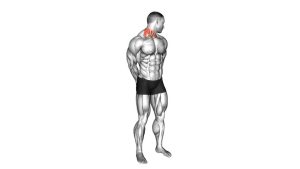
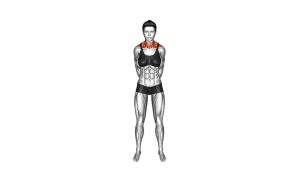
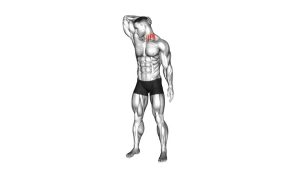
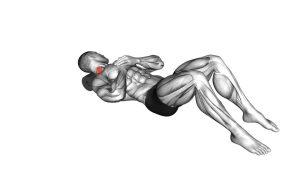
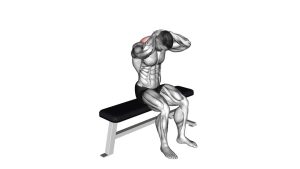
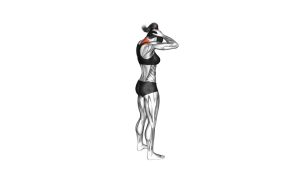
Rotating Neck Stretch (Neck Circles)
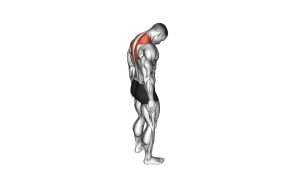
This drill works best when you move through a comfortable, controlled range—especially when your chin passes the chest and when your head moves slightly backward. If full circles feel “pinchy,” switch to half-circles (chin-to-chest → ear-to-shoulder → back to chin-to-chest) and avoid deep extension.
Quick Overview
| Body Part | Neck |
|---|---|
| Primary Muscles | Sternocleidomastoid (SCM) |
| Secondary Muscles | Upper trapezius, levator scapulae, scalenes, suboccipitals, deep neck stabilizers |
| Equipment | None (optional: heat pad, massage balls, cervical pillow) |
| Difficulty | Beginner (scale by reducing range and avoiding deep extension) |
Sets & Reps (By Goal)
- Quick desk reset: 1–2 rounds × 5–8 slow circles each direction
- Warm-up mobility: 1 round × 3–5 slow circles each direction (very gentle)
- Cooldown / recovery: 2 rounds × 6–10 slow circles each direction (easy range)
- Sensitive/stiff neck (very gentle): 2–3 rounds × 3–6 half-circles each direction
Intensity rule: Aim for ~2–4/10 stretch sensation. The goal is smooth motion and relief—not max depth.
Setup / Starting Position
- Stand tall or sit upright with ribs stacked over hips (avoid slouching).
- Relax shoulders down and back (no shrugging).
- Keep the chin neutral (avoid a forward “chin jut”).
- Brace lightly through your midsection so the torso stays still.
Tip: If one direction feels tighter, start with the tighter side and keep the range smaller until it smooths out.
Execution (Step-by-Step)
- Exhale and gently bring your chin toward your chest (comfortable range).
- Slowly roll your head toward one side, moving your ear toward your shoulder (shoulder stays down).
- Continue the circle slightly backward—avoid cranking into deep extension.
- Roll through to the other side, keeping the movement smooth and controlled.
- Return to chin-forward position and repeat.
- Complete your reps in one direction, then switch directions.
Pro Tips & Common Mistakes
- Move slow: fast neck rolls turn this into momentum instead of mobility.
- Keep shoulders down: shrugging reduces the benefit and can increase tightness.
- Avoid deep extension: “looking far up” is a common source of pinching.
- Breathe: long exhales help the neck relax as you move.
- Don’t chase pain: sharp pain, dizziness, tingling, or numbness = stop.
FAQ
Is it okay if my neck clicks or cracks?
Mild, painless clicking can happen. If there’s pain, dizziness, or a sharp “pinch,” reduce the range, slow down, or switch to half-circles.
Should I do full circles or half circles?
If your neck is sensitive, start with half circles and avoid deep extension. Progress to full circles only if it stays comfortable.
How often can I do neck circles?
Light mobility can be done most days. Keep intensity low and prioritize control over range.
When should I avoid this exercise?
Skip it if you have acute injury, severe pain, or symptoms like tingling/numbness down the arm. If you have a known cervical spine condition, choose gentler options and seek professional guidance.
Recommended Equipment (Optional)
- The Original Neck Hammock (Portable Cervical Traction Device) — optional decompression tool for relaxation/recovery
- Pure Enrichment PureRelief XL Back & Neck Heating Pad — heat can make gentle mobility feel smoother
- RAD Rounds Massage Balls (Trigger Point / Myofascial Release) — useful for upper trap/levator tight spots (avoid pressing the front of the neck)
- DONAMA Cervical Contour Pillow (Memory Foam) — supports neutral neck positioning during sleep
- Amazon Best Sellers: Neck & Cervical Pillows (browse alternatives) — quick way to compare top-rated options
Tip: If any tool increases symptoms, stop using it and reassess. Gentle + consistent wins for the neck.