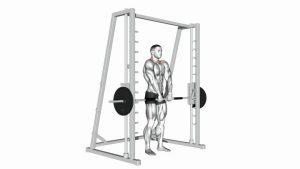
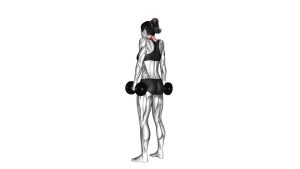
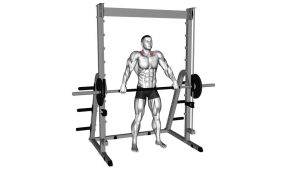
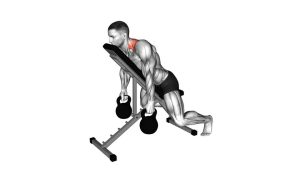
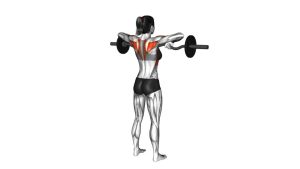
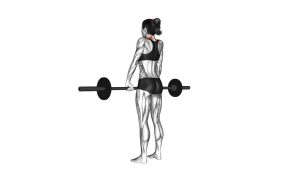
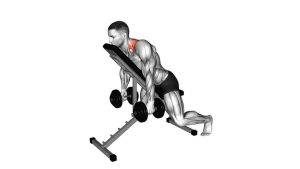
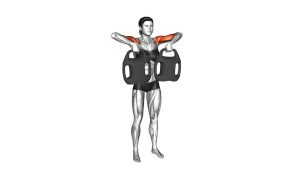
Lever Shrug (Plate-Loaded Machine Shrug): Proper Form, Muscles Worked, Sets & FAQ
Learn how to perform the Lever Shrug with proper form to build bigger upper traps and stronger shoulder elevation. Includes muscles worked, setup, execution steps, sets and reps by goal, common mistakes, FAQ, and recommended Amazon equipment.
Lever Shrug (Plate-Loaded Machine Shrug)
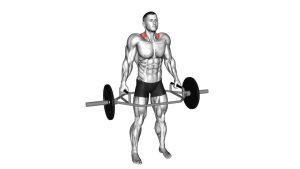
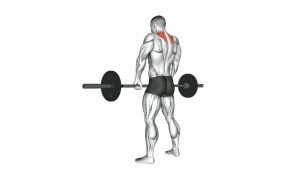
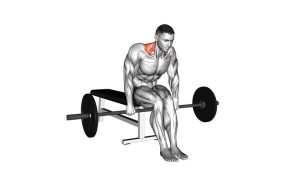
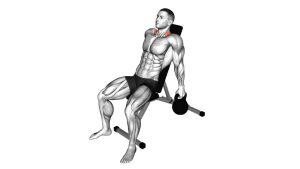
The machine lever path helps keep the movement focused and repeatable, which is especially useful when your goal is trap hypertrophy with clean mechanics. Because the exercise is performed standing upright with the arms fixed at the sides, most of the work should come from the upper traps elevating the shoulders rather than from elbow pull, body English, or spinal movement. Think of every rep as a short, strong vertical lift followed by a slow, controlled lower.
Quick Overview
| Body Part | Upper Back |
|---|---|
| Primary Muscle | Upper trapezius |
| Secondary Muscle | Levator scapulae, middle trapezius, rhomboids, forearm/grip stabilizers |
| Equipment | Plate-loaded shrug machine / lever shrug machine |
| Difficulty | Beginner to intermediate |
Sets & Reps (By Goal)
- Muscle growth: 3–5 sets × 10–15 reps with a 1–2 second squeeze at the top and 60–90 seconds of rest
- Strength-focused shrugs: 4–6 sets × 6–10 reps with heavier loads and 90–120 seconds of rest
- Technique and trap control: 2–4 sets × 12–15 reps using moderate weight and slow eccentrics
- Upper-back finisher: 2–3 sets × 15–20 reps with constant tension and strict form
Progression rule: Add reps first, then load. Only go heavier when you can keep the shoulders moving straight up and down without elbow bend, torso swing, or rushed lowering.
Setup / Starting Position
- Load the machine evenly: Add the same amount of weight to both sides so the lever arms stay balanced.
- Step into position: Stand tall between the machine arms with feet about hip-width apart.
- Grip the handles firmly: Keep your hands at your sides and let the arms stay straight.
- Set your posture: Brace the core lightly, lift the chest, and keep the head neutral with eyes forward.
- Start from a dead-stop bottom: Let the shoulders sit naturally low without rounding forward.
Tip: Before the first rep, think “long arms, proud chest, shoulders down and ready.” A solid start position makes the shrug cleaner.
Execution (Step-by-Step)
- Initiate with the traps: Raise your shoulders straight upward toward your ears without bending the elbows.
- Keep the arms passive: Your hands only hold the handles; they should not curl, row, or pull.
- Shrug vertically: Focus on pure elevation rather than rolling the shoulders backward or forward.
- Squeeze at the top: Pause for 1–2 seconds when the traps are fully contracted.
- Lower under control: Bring the shoulders back down slowly until you return to the starting position.
- Repeat smoothly: Maintain the same posture and path on every rep.
Pro Tips & Common Mistakes
- Think “up,” not “back”: The shrug should be vertical, not a backward shoulder roll.
- Keep the elbows straight: Bent arms shift tension away from the traps and turn the movement into a pull.
- Pause at the top: A brief squeeze improves trap recruitment and prevents sloppy reps.
- Lower slowly: Don’t let the machine drop. Controlled eccentrics help build more tension.
- Don’t overextend the neck: Keep the chin neutral instead of jutting the head forward.
- Avoid torso momentum: Swinging the body turns a strict shrug into a less effective hybrid movement.
- Use straps if grip is the limiter: When the forearms fatigue before the traps, straps can help keep the focus where it belongs.
FAQ
What muscles does the Lever Shrug work?
The primary target is the upper trapezius. Secondary support comes from the levator scapulae, middle traps, rhomboids, and the muscles involved in maintaining grip and shoulder stability.
Should I roll my shoulders during shrugs?
No. Rolling the shoulders is unnecessary and usually makes the movement less efficient. The cleanest and safest pattern is a straight up-and-down shrug.
Can beginners use the plate-loaded shrug machine?
Yes. It is often easier for beginners than free-weight shrugs because the machine provides a fixed path and a more stable setup. Start light and focus on precise reps.
How heavy should I go on machine shrugs?
Use the heaviest load you can control without bending the elbows, jerking the body, or losing the pause at the top. Heavy weight is useful, but only when the rep still looks clean.
Where should I feel this exercise?
You should feel the work mostly in the upper traps near the top of the shoulders and upper back. You may also notice forearm fatigue if grip is challenged by the load.
Recommended Equipment
- Lifting Straps — useful when grip gives out before your traps do
- Wrist Wraps — extra wrist support for heavier shrug sessions
- Liquid Chalk — helps improve handle grip with less mess than traditional chalk
- Weight Lifting Gloves — adds palm protection and may improve comfort on rough handles
- Weight Lifting Belt — optional support for lifters using very heavy loads
Choose accessories based on your weak point: use straps for grip limits, chalk for better handle security, and a belt only if you want extra trunk support during heavy sets.