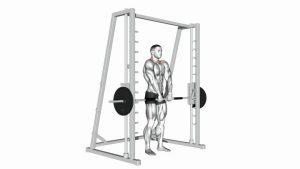
Bottle-Weighted Upright Row: Proper Form, Muscles Worked, Sets & Tips
Learn how to do the Bottle-Weighted Upright Row with proper form. Discover muscles worked, setup, execution, sets and reps by goal, common mistakes, FAQs, and recommended equipment.
Bottle-Weighted Upright Row
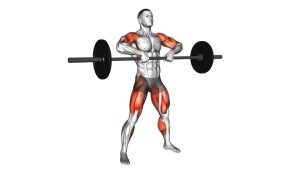
This exercise is most effective when you use a controlled range of motion and keep the bottles close to your torso. You should feel the work mostly in the lateral deltoids and upper trapezius, with some assistance from the biceps and forearms. Avoid turning it into a swing or shrug-only movement. Light weights and clean mechanics usually produce the best results here.
Quick Overview
| Body Part | Shoulders |
|---|---|
| Primary Muscle | Lateral deltoids |
| Secondary Muscle | Upper trapezius, biceps, forearms |
| Equipment | Two water bottles or other light handheld weights |
| Difficulty | Beginner |
Sets & Reps (By Goal)
- Technique practice: 2–3 sets × 10–15 reps with very light bottles and slow control
- Muscle endurance: 2–4 sets × 12–20 reps with 30–45 seconds rest
- General shoulder toning: 3–4 sets × 10–15 reps with 45–75 seconds rest
- Warm-up / activation: 1–2 sets × 12–15 reps before shoulder or upper-body training
Progression rule: First improve control and rep quality, then increase bottle weight slightly. Avoid jumping to heavy loads too fast, since upright rows can become uncomfortable when form breaks down.
Setup / Starting Position
- Stand tall: Place your feet about hip-width apart with your knees softly unlocked.
- Hold the bottles: Grip one bottle in each hand with your palms facing your body.
- Start low: Let the bottles hang in front of your thighs with your arms extended but not overly rigid.
- Brace lightly: Keep your chest up, core engaged, and shoulders relaxed.
- Set your neck neutral: Look straight ahead and avoid jutting the chin forward.
Tip: Use bottles of equal weight so the movement stays balanced from side to side.
Execution (Step-by-Step)
- Begin the pull: Raise both bottles upward along the front of your body.
- Lead with the elbows: Think about driving your elbows up and out rather than curling the bottles up with your hands.
- Keep the bottles close: Let the weights travel near your torso instead of drifting forward.
- Stop around upper chest level: Lift until your elbows reach about shoulder height, or slightly below if that feels better.
- Pause briefly: Squeeze the shoulders and upper traps for a moment without shrugging excessively.
- Lower under control: Bring the bottles back down slowly to the starting position.
- Repeat smoothly: Maintain steady posture and avoid using momentum.
Pro Tips & Common Mistakes
- Keep the movement vertical: Pull straight up, not out in front of you.
- Use light weights first: Upright rows respond better to clean mechanics than heavy loading.
- Lead with the elbows: This helps shift the focus to the shoulders instead of turning the move into a curl.
- Do not yank the weights: Swinging the bottles reduces tension and increases joint stress.
- Avoid excessive elbow height: Going too high can make the movement uncomfortable for some shoulders.
- Do not shrug too early: Let the shoulders lift naturally near the top, but do not let the upper traps completely take over.
- Keep wrists neutral: Avoid bending the wrists aggressively as the bottles rise.
FAQ
What muscles does the Bottle-Weighted Upright Row work?
It mainly works the lateral deltoids and upper traps, while the biceps and forearms assist with the pull and grip.
Are bottles heavy enough for this exercise?
Yes, especially for beginners, high-rep shoulder work, warm-ups, and home workouts. You can gradually use heavier bottles or switch to dumbbells once the movement feels easy and controlled.
Why do upright rows sometimes hurt the shoulders?
Some people feel discomfort when the elbows rise too high or when the grip is too narrow. Reducing the range, using lighter resistance, and keeping the movement smooth usually helps.
Should I lift the bottles above chest level?
Usually no. For most people, stopping around upper chest height or when the elbows reach shoulder level is enough. More height is not automatically better.
Is this a good home shoulder exercise?
Yes. It is a practical option for shoulder endurance, light strength work, and upper-body activation when you do not have access to gym equipment.
Recommended Equipment
- Amazon Basics Neoprene Dumbbell Hand Weights — ideal for upgrading from bottles to a more stable grip and consistent loading
- CAP Barbell Neoprene Dumbbell Weights — compact fixed dumbbells that work well for high-rep shoulder training
- Bowflex SelectTech 552 Adjustable Dumbbells — useful if you want one set of weights for upright rows and many other home exercises
- Resistance Bands Set — a shoulder-friendly alternative for rows, pull-aparts, and lateral work
- Workout Gloves — optional grip support if the bottles or dumbbells feel slippery during higher reps
Tip: Start with lighter tools and prioritize smooth reps, especially on upright row variations.