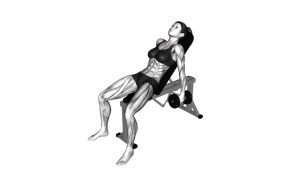
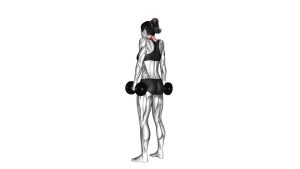
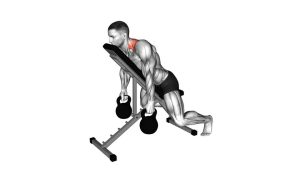
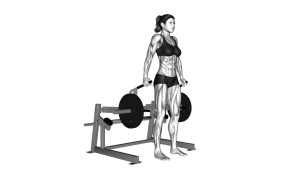
Smith Back Shrug: Proper Form, Muscles Worked, Sets, Tips & FAQ
Learn how to perform the Smith Back Shrug with proper form to build bigger upper traps. Includes muscles worked, setup, step-by-step execution, sets and reps by goal, common mistakes, FAQ, and recommended equipment.
Smith Back Shrug
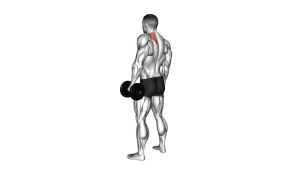
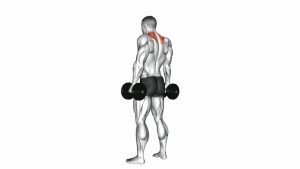
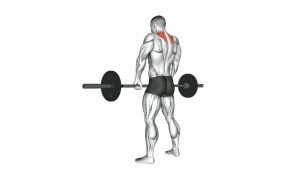
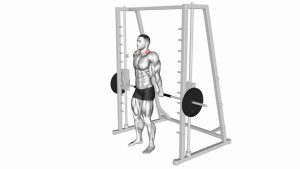
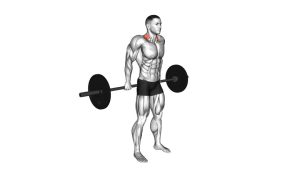
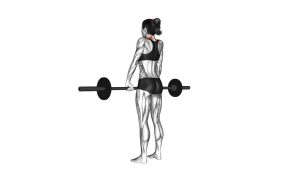
The Smith Back Shrug is best performed with strict form, a controlled tempo, and a moderate range of motion. Your arms should stay straight from start to finish while the shoulders elevate vertically toward the ears. Because the bar is guided on rails, this variation can help reduce unnecessary movement and make it easier to focus on pure upper-trap contraction. Avoid rolling the shoulders or using leg drive—this movement should feel clean, direct, and intentional.
Quick Overview
| Body Part | Upper Back |
|---|---|
| Primary Muscle | Upper trapezius |
| Secondary Muscle | Levator scapulae, rhomboids, forearms, core stabilizers |
| Equipment | Smith machine |
| Difficulty | Beginner to Intermediate |
Sets & Reps (By Goal)
- Muscle growth: 3–5 sets × 10–15 reps with a 1–2 second squeeze at the top
- Strength focus: 4–5 sets × 6–10 reps with controlled tempo and full scapular elevation
- Technique / mind-muscle connection: 2–4 sets × 12–15 reps using light-to-moderate weight
- Finisher for traps: 2–3 sets × 15–20 reps with clean form and no momentum
Progression rule: Add load only when you can keep the shoulders moving straight up and down, maintain a pause at the top, and control the lowering phase without bouncing.
Setup / Starting Position
- Set the bar height: Position the Smith bar around mid-thigh or just below glute level so you can unrack it comfortably behind your body.
- Step into position: Stand upright with your feet about hip-width apart and the bar resting behind your upper thighs or glutes.
- Take your grip: Use a pronated grip with hands around shoulder-width or slightly wider.
- Brace your torso: Keep the chest tall, core tight, knees softly unlocked, and spine neutral.
- Let the arms hang straight: Start with the shoulders relaxed and depressed—do not bend the elbows.
Tip: A slightly narrower stance often helps keep the bar path smooth and the torso stacked directly over the midfoot.
Execution (Step-by-Step)
- Unrack the bar: Stand tall and let the bar settle behind the body with the arms fully extended.
- Elevate the shoulders: Shrug the shoulders straight upward toward the ears without bending the elbows.
- Keep the bar close: Allow the bar to travel slightly upward along the back of the thighs as the traps contract.
- Pause at the top: Hold the peak contraction briefly and focus on squeezing the upper traps.
- Lower slowly: Return the shoulders under control to the starting position without dropping or bouncing.
- Repeat evenly: Maintain the same upright posture and vertical shoulder path on every rep.
Pro Tips & Common Mistakes
- Shrug straight up: Think “shoulders to ears,” not “pull the bar.”
- Do not bend the elbows: Straight arms keep the traps doing the work.
- Avoid shoulder rolling: Rolling adds motion but not useful trap tension.
- Pause at the top: A brief hold improves trap recruitment and makes sloppy reps harder.
- Control the lowering phase: Don’t let gravity do the work on the way down.
- Keep your neck neutral: Do not jut the chin forward or crane the head upward.
- Use straps if grip is limiting: Grip fatigue should not stop the target muscles from working.
FAQ
What muscles does the Smith Back Shrug work?
The main target is the upper trapezius. Secondary support comes from the levator scapulae, rhomboids, forearms, and core stabilizers.
Is the behind-the-back Smith shrug better than a regular shrug?
Not necessarily better for everyone, but it can feel more natural for some lifters because the bar stays behind the body, which may encourage a more upright posture and a cleaner vertical shrug pattern.
Should I go heavy on Smith Back Shrugs?
You can load them progressively, but form quality matters more than raw weight. If the reps become jerky, shortened, or turn into torso-driven swings, the load is too heavy.
How high should I shrug the shoulders?
Elevate the shoulders as high as you can without bending the elbows or distorting your posture. Focus on a strong squeeze rather than forcing extra range with momentum.
Are lifting straps useful for this exercise?
Yes. If your grip gives out before your traps are fully trained, lifting straps can help you maintain focus on the target muscle.
Recommended Equipment
- Lifting Straps — useful when grip fatigue limits heavy shrug sets
- Weight Lifting Belt — helps reinforce torso bracing during heavier working sets
- Barbell Pad — optional comfort aid if the bar rubs against the glutes or upper thighs
- Weight Lifting Hooks / Grip Supports — an alternative to straps for reducing grip limitation on shrug movements
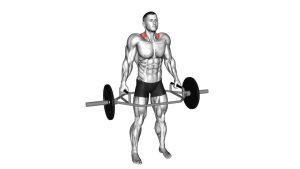
- Trap Bar / Shrug Bar — a useful alternative for loaded shrug training outside the Smith machine
Tip: Accessories should improve comfort or stability, not replace clean technique. Prioritize strict form and progressive overload first.