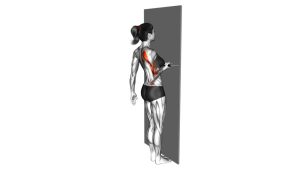
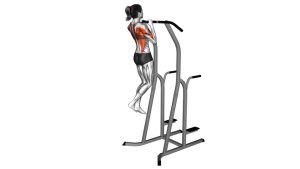
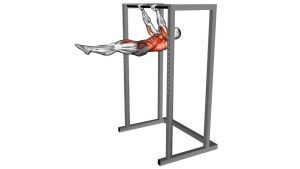
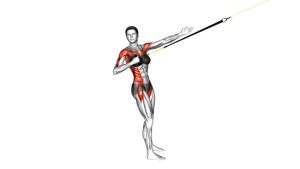
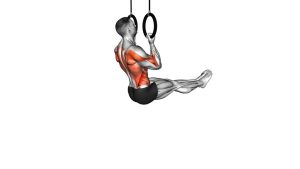
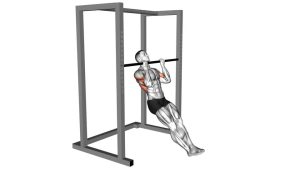
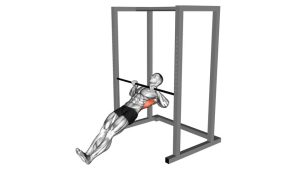
Suspender Pull-Up : Form, Muscles Worked, Sets, Tips & FAQ
Learn how to perform the Suspender Pull-Up with proper form. Discover muscles worked, setup, step-by-step execution, sets and reps by goal, common mistakes, FAQs, and recommended equipment.
Suspender Pull-Up
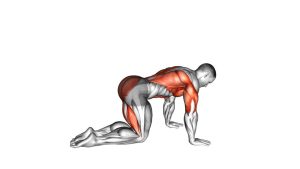
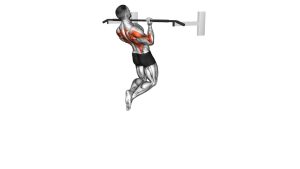
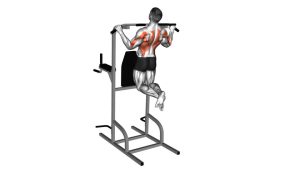
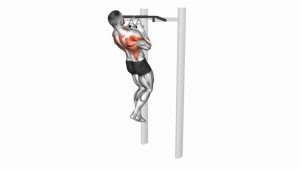
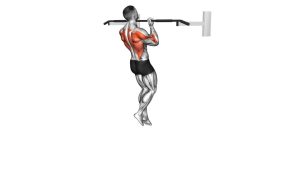
This exercise is best performed with smooth tempo and full-body control. The goal is to create tension through the lats and mid-back rather than yanking with the arms. Keep the torso tall, avoid shrugging, and let the shoulder blades move naturally as you pull up and lower back down. Because the straps introduce instability, this variation also challenges shoulder stability and coordination.
Quick Overview
| Body Part | Back |
|---|---|
| Primary Muscle | Latissimus dorsi |
| Secondary Muscle | Biceps, rhomboids, middle trapezius, rear deltoids, forearms, core stabilizers |
| Equipment | Suspension trainer / suspender straps with handles |
| Difficulty | Beginner to Intermediate (load can be scaled by body angle and setup) |
Sets & Reps (By Goal)
- Technique practice: 2-3 sets × 6-8 reps (slow tempo, 45-60 sec rest)
- Muscle building: 3-4 sets × 8-12 reps (60-90 sec rest)
- Strength endurance: 2-4 sets × 12-15 reps (45-75 sec rest)
- Warm-up activation: 1-2 sets × 8-10 controlled reps before rows, pulldowns, or pull-ups
Progression rule: First improve control, range, and pause quality. Then increase difficulty by adjusting body angle, increasing time under tension, or moving toward a harder pull-up progression.
Setup / Starting Position
- Anchor the straps securely: Set the suspension trainer overhead so both handles hang evenly.
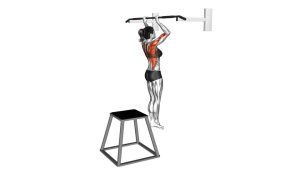
- Kneel under the anchor point: Position yourself so the straps are under tension when your arms are extended overhead.
- Grip the handles neutrally: Palms face inward and wrists stay straight.
- Stack your posture: Keep the torso upright, ribs down, chest lifted, and core lightly braced.
- Start long: Arms are extended overhead, shoulders controlled, and head stays neutral.
Tip: The more upright you are, the easier the exercise feels. Adjust your position so you can complete every rep with clean scapular control.
Execution (Step-by-Step)
- Brace and set the shoulders: Begin tall with tension through the straps and a neutral neck.
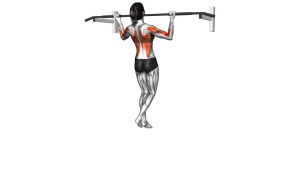
- Initiate with the back: Depress and slightly retract the shoulder blades before bending the elbows.
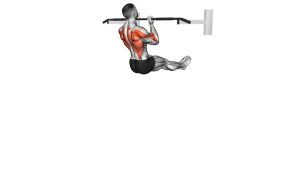
- Pull upward: Drive the elbows down and back as your chest rises toward the handles.
- Reach the top under control: Stop when the handles approach upper-chest or shoulder level and your back is fully engaged.
- Lower slowly: Extend the elbows in a controlled descent until the arms are long again.
- Repeat without momentum: Maintain tension and posture throughout every repetition.
Pro Tips & Common Mistakes
- Lead with the elbows: This helps shift the effort into the lats and mid-back instead of overusing the forearms.
- Keep the chest open: A proud chest improves shoulder position and pulling mechanics.
- Control the eccentric: The lowering phase is one of the best parts of the exercise for strength development.
- Avoid shrugging: Elevated shoulders reduce lat contribution and may irritate the neck.
- Do not swing: Momentum makes the movement less effective and harder to stabilize.
- Do not crane the neck forward: Keep the head neutral and let the torso rise naturally.
- Use full range that you can own: Long arms at the bottom and a strong squeeze at the top produce better results than short partial reps.
FAQ
What muscles does the Suspender Pull-Up work?
It mainly targets the latissimus dorsi, while also training the biceps, rhomboids, middle traps, rear delts, and shoulder stabilizers.
Is this a good exercise for beginners?
Yes. The kneeling suspension setup reduces loading and makes it easier to learn proper pulling mechanics before progressing to harder rows, pulldowns, or full pull-ups.
How is this different from a regular pull-up?
A regular pull-up requires you to lift your full bodyweight from a fixed bar. The Suspender Pull-Up uses straps and a modified body position, which makes the movement more scalable and stability-focused.
Should I feel this more in my arms or my back?
You will feel the arms helping, but the main effort should come from the lats and upper back. If the arms dominate completely, slow down and focus on starting the pull with the shoulder blades.
Can this help me build toward pull-ups?
Absolutely. It is a useful progression for learning scapular control, elbow path, grip endurance, and upper-body pulling strength.
Recommended Equipment
- Suspension Trainer Straps — the main tool for performing this exercise at home or in a studio setup
- Door Anchor for Suspension Straps — useful if you want a secure home anchor point without installing permanent hardware
- Exercise Knee Pad / Balance Pad — adds comfort for kneeling variations like the one shown in the demo
- Women’s Workout Gloves — helps improve grip comfort and reduce friction on high-volume pulling sessions
- Resistance Bands Set — helpful for pairing with pulldown, row, and shoulder activation drills in the same workout
Tip: Choose a suspension trainer with sturdy handles, adjustable straps, and a reliable anchor system. For kneeling work, a balance pad or knee mat can make longer sessions much more comfortable.