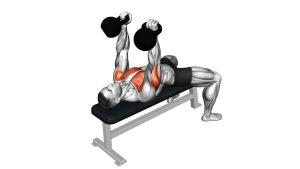
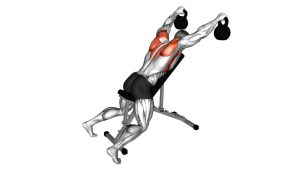
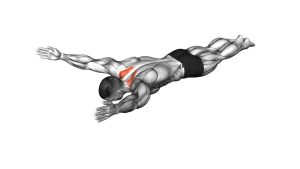
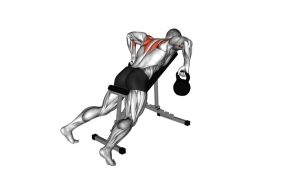
Kettlebell Angled Press: Proper Form, Muscles Worked, Sets, Tips & FAQ
Learn how to perform the Kettlebell Angled Press with proper form. Discover muscles worked, setup, step-by-step execution, sets and reps by goal, common mistakes, FAQs, and recommended equipment.
Kettlebell Angled Press
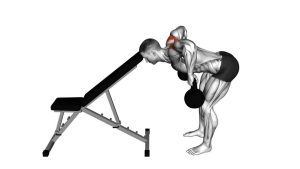
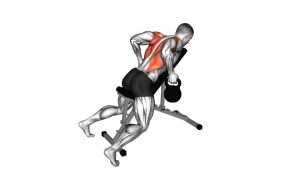
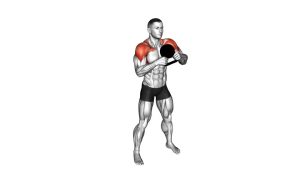
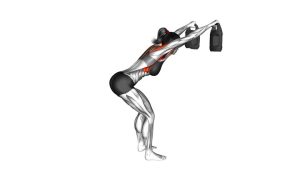
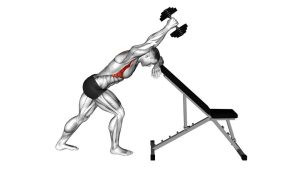
This exercise works best when the movement stays smooth, deliberate, and well-supported by a solid hip hinge. You should feel the shoulders and upper back doing most of the work while the torso remains steady. The kettlebell should travel in a controlled arc, and the lift should never turn into a swing or a jerky heave.
Quick Overview
| Body Part | Shoulders |
|---|---|
| Primary Muscle | Posterior deltoids and lateral deltoids |
| Secondary Muscle | Upper trapezius, rhomboids, triceps, spinal erectors, and core stabilizers |
| Equipment | Kettlebell |
| Difficulty | Intermediate (requires shoulder control, hinge stability, and good posture) |
Sets & Reps (By Goal)
- Shoulder hypertrophy: 3–4 sets × 8–12 reps, 60–90 sec rest
- Upper-back endurance and control: 2–4 sets × 10–15 reps, 45–75 sec rest
- Technique practice: 2–3 sets × 6–8 reps with a lighter kettlebell, 60 sec rest
- Accessory work after main pressing or pulling: 2–3 sets × 8–10 reps
Progression rule: Add reps before adding load. Only increase weight when you can keep the hinge stable, the shoulders controlled, and the kettlebell path smooth from start to finish.
Setup / Starting Position
- Stand tall with feet hip-width apart: Hold the kettlebell securely with both hands.
- Create a hip hinge: Push the hips back, soften the knees slightly, and lean the torso forward while keeping the back flat.
- Brace the core: Tighten the midsection to stabilize the spine and prevent lower-back rounding.
- Set the shoulders: Let the arms extend forward and slightly downward with a soft elbow bend.
- Find a neutral head position: Keep the neck long and eyes pointed slightly ahead on the floor.
Tip: Start with a lighter kettlebell than you think you need. Shoulder control matters more here than heavy loading.
Execution (Step-by-Step)
- Lock in the hinge: Before each rep, keep your chest proud, spine neutral, and ribs controlled.
- Raise the kettlebell on an angle: Drive the arms upward and slightly forward relative to the torso, keeping the motion smooth and controlled.
- Let the shoulders guide the lift: The rear delts, lateral delts, and upper back should elevate the weight—not momentum from the hips.
- Pause briefly at the top: Stop when the kettlebell reaches a strong, stable top position without your shoulders collapsing or shrugging excessively.
- Lower slowly: Bring the kettlebell back down with control, maintaining the same hinge angle and spinal alignment.
- Repeat without swinging: Every rep should look consistent, with the torso quiet and the arms moving under control.
Pro Tips & Common Mistakes
- Keep the back flat: The hinge should stay stable throughout the entire set.
- Use controlled tempo: A slow lowering phase improves shoulder tension and reduces cheating.
- Do not turn it into a swing: Avoid using hip drive to launch the kettlebell upward.
- Keep a soft elbow bend: Locking the arms too hard can make the movement less comfortable and less natural.
- Do not over-shrug: Some upper trap involvement is normal, but excessive shrugging can shift tension away from the shoulders and upper back.
- Brace your abs: A strong core helps protect the lower back and keeps the pressing path clean.
- Reduce weight if range breaks down: Clean reps beat sloppy reps every time.
FAQ
What muscles does the kettlebell angled press work?
It mainly trains the rear delts and lateral delts, while the upper traps, rhomboids, triceps, core, and spinal erectors help stabilize the movement.
Is this more of a shoulder or upper-back exercise?
It is primarily a shoulder exercise, but it has a strong upper-back stabilization component because of the bent-over body position and the need to control the shoulder blades throughout the lift.
Can beginners do the kettlebell angled press?
Beginners can learn it, but it is usually better suited to intermediate lifters because it requires hinge stability, shoulder control, and good posture awareness. Start very light and master the setup first.
Should I use one kettlebell or two?
The version shown uses a single kettlebell with both hands, which is often easier to control. Advanced variations can be performed with two kettlebells, but the stability demands increase.
What is the biggest mistake with this exercise?
The most common mistake is using momentum. When the kettlebell swings instead of being pressed through a controlled path, shoulder tension drops and the movement becomes less effective.
Recommended Equipment (Optional)
- Adjustable Kettlebell — ideal for progressing load gradually as your shoulder control and strength improve
- Kettlebell Wrist Guards — useful if the kettlebell rubs or presses against the wrist during setup and transitions
- Weight Lifting Wrist Straps — helpful for lifters who want extra wrist support during accessory shoulder work
- Folding Exercise Mat — helpful for warm-ups, kneeling variations, and creating a more comfortable training space
- Resistance Band Kit — great for pairing with shoulder activation and upper-back warm-up drills before pressing
Tip: Support gear should improve comfort and control, not mask poor technique. Focus on posture, tempo, and load selection first.