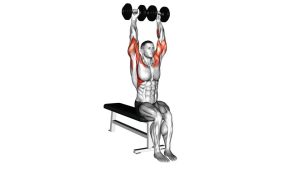
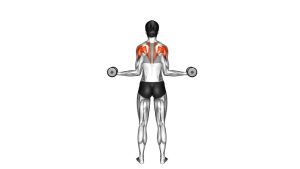
Kettlebell Incline Y Raise: Proper Form, Sets, Benefits & FAQ
Learn how to do the Kettlebell Incline Y Raise with proper form. Discover muscles worked, setup, step-by-step execution, sets and reps by goal, mistakes to avoid, FAQs, and recommended equipment.
Kettlebell Incline Y Raise
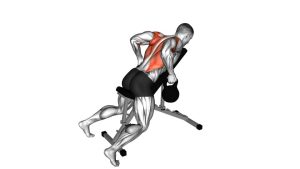
This movement is best performed with light-to-moderate weight and strict control. The goal is to raise the arms in a wide Y-shaped path while keeping the chest supported, the neck relaxed, and the shoulders moving smoothly. It is excellent for improving shoulder balance, posture, and upper-back strength, especially if your training includes a lot of pressing work.
Quick Overview
| Body Part | Rear Shoulders |
|---|---|
| Primary Muscle | Rear Deltoids |
| Secondary Muscle | Lower Trapezius, Middle Trapezius, Rhomboids, Rotator Cuff Stabilizers |
| Equipment | Kettlebells, Incline Bench |
| Difficulty | Intermediate |
Sets & Reps (By Goal)
- Muscle building: 3-4 sets × 10-15 reps with controlled tempo and 45-75 seconds rest
- Shoulder stability / activation: 2-3 sets × 12-15 reps using lighter weight and perfect form
- Upper-back endurance: 2-4 sets × 15-20 reps with slow eccentric control
- Warm-up / prehab: 2 sets × 8-12 reps with very light kettlebells before pressing or pulling sessions
Progression tip: First improve control, pause quality, and range of motion before increasing kettlebell weight. This exercise responds better to precision than to heavy loading.
Setup / Starting Position
- Set the bench: Adjust an incline bench to a moderate incline that allows your chest to stay firmly supported.
- Get into position: Lie face down with your chest against the bench pad and your feet planted firmly on the floor.
- Hold the kettlebells: Let your arms hang straight down with a neutral grip and a slight bend in the elbows.
- Brace lightly: Keep the core tight, neck neutral, and shoulders relaxed before starting the raise.
- Start from a dead hang: Begin with the weights directly below the shoulders, not pulled back or already lifted.
Tip: Use lighter kettlebells than you think you need. This exercise is about clean shoulder motion, not moving the heaviest load possible.
Execution (Step-by-Step)
- Engage the upper back: Begin by setting the shoulder blades gently without aggressively shrugging.
- Raise in a Y path: Lift both arms diagonally upward so they form a wide Y shape relative to your torso.
- Keep a soft elbow bend: Maintain a slight bend in the elbows, but do not turn the movement into a row.
- Pause at the top: Stop when your arms reach the highest controlled position and squeeze the rear delts and upper back.
- Lower slowly: Return the kettlebells along the same path with full control until the arms hang naturally again.
Pro Tips & Common Mistakes
- Use light weights: Heavy kettlebells often force momentum and reduce tension on the target muscles.
- Do not shrug excessively: Too much upper-trap dominance can reduce rear-delt and lower-trap involvement.
- Keep the bench support: Chest support should stay constant to remove body swing and cheating.
- Lift in a diagonal line: Avoid turning the movement into either a straight lateral raise or a front raise.
- Control the eccentric: Lowering the kettlebells slowly improves muscle recruitment and shoulder control.
- Do not bend the elbows too much: Excessive elbow bend changes the exercise into more of a row pattern.
- Keep the neck neutral: Avoid craning the head up or creating tension through the neck during the raise.
FAQ
What muscles does the Kettlebell Incline Y Raise work?
It primarily targets the rear deltoids and also works the lower traps, middle traps, rhomboids, and smaller shoulder stabilizers.
Is this exercise for shoulders or upper back?
It trains both, but the main focus is on the rear shoulders and scapular control muscles of the upper back. That makes it useful for posture, shoulder health, and balancing out pressing volume.
How heavy should the kettlebells be?
Start light. Most lifters benefit more from strict technique and full control than from using heavy weights. The goal is quality contraction, not momentum.
Can beginners do the Kettlebell Incline Y Raise?
Yes, but many beginners should begin with very light kettlebells or even lighter alternatives until they learn the correct Y-shaped path and shoulder-blade control.
Where should I feel this exercise the most?
You should mainly feel it in the rear delts, upper back, and lower-trap area. If you mostly feel the neck or upper traps, reduce the weight and refine your technique.
Recommended Equipment
- Cast Iron Kettlebells — ideal for controlled shoulder isolation work and progressive loading
- Adjustable Incline Weight Bench — essential for setting the correct chest-supported incline angle
- Workout Grip Gloves — useful if kettlebell handles feel slippery during higher-rep sets
- Mini Resistance Bands — great for shoulder warm-ups and activation before rear-delt training
- Foam Roller — helpful for upper-back mobility work to support better shoulder positioning
Choose equipment that helps you stay stable and controlled. For this exercise, better positioning and lighter clean reps usually outperform heavier sloppy reps.