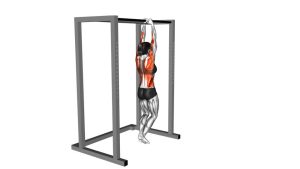
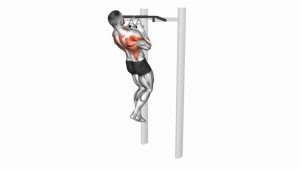
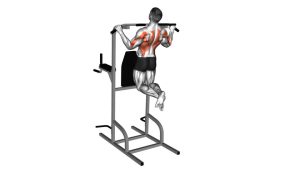
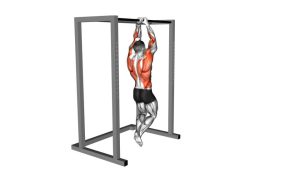
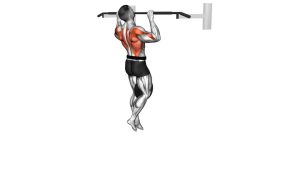
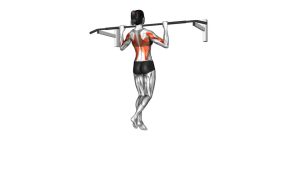
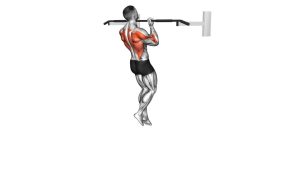
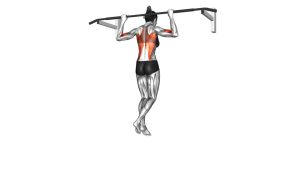
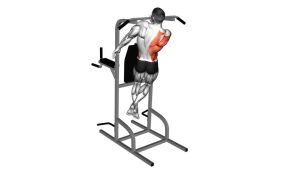
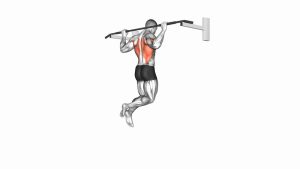
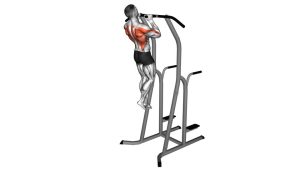
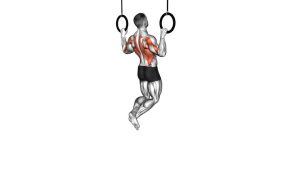
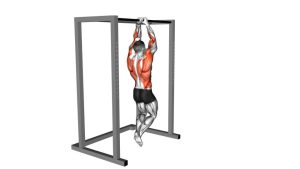
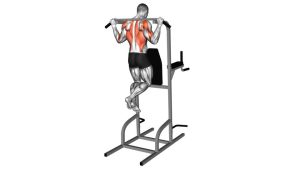
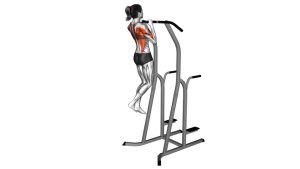
Weighted Hammer Grip Pull-Up on Dip Cage: Form, Sets, Muscles Worked & FAQ
Learn how to perform the Weighted Hammer Grip Pull-Up on a dip cage with proper form. Discover muscles worked, setup tips, sets and reps by goal, common mistakes, FAQs, and recommended equipment.
Weighted Hammer Grip Pull-Up on Dip Cage
This exercise is ideal for lifters who have already mastered bodyweight neutral-grip pull-ups and want to progress into heavier strength-focused vertical pulling. The neutral hand position can feel more natural on the wrists, elbows, and shoulders than some pronated variations, while the added load increases muscular tension across the back and arms. Each rep should begin from a dead hang, move upward with control, and finish with a strong top contraction without using momentum.
Quick Overview
| Body Part | Upper Back |
|---|---|
| Primary Muscle | Latissimus dorsi |
| Secondary Muscle | Brachialis, brachioradialis, biceps, rhomboids, middle trapezius, rear deltoids |
| Equipment | Dip cage or power tower with neutral handles, dip belt or loading method, weight plates |
| Difficulty | Advanced |
Sets & Reps (By Goal)
- Max strength: 4–6 sets × 3–5 reps with 2–3 minutes rest
- Muscle growth: 3–5 sets × 6–10 reps with 90–120 seconds rest
- Weighted pull-up progression: 4–5 sets × 4–6 reps with strict form and gradual load increases
- Bodyweight strength maintenance: 3–4 sets × 5–8 reps using a moderate added load
Progression rule: Add small amounts of weight only after you can complete all prescribed reps with a dead hang, clean ascent, strong top position, and controlled lowering.
Setup / Starting Position
- Set the station: Use a sturdy dip cage or power tower with parallel neutral-grip handles at a comfortable width.
- Attach the load: Secure a dip belt with plates or another safe loading method before stepping onto the station.
- Grip the handles: Hold the neutral handles firmly with palms facing each other and wrists stacked naturally.
- Hang tall: Lift your feet off the platform and settle into a full dead hang with arms fully extended.
- Brace the body: Tighten your core, keep the ribs down, and let the legs remain slightly bent or crossed to limit swinging.
Tip: Before the first rep, think about pulling the shoulders down away from the ears to create better scapular control.
Execution (Step-by-Step)
- Start from a dead hang: Allow the lats to fully lengthen while keeping the body stable and the grip tight.
- Initiate with the scapulae: Depress the shoulders slightly before bending the elbows to begin the pull.
- Drive the elbows down: Pull your elbows toward your ribs while keeping the chest proud and torso mostly vertical.
- Reach the top under control: Continue pulling until the chin clears the handles or reaches the highest strict position you can maintain.
- Squeeze the back: Briefly contract the lats and upper back without overextending the neck.
- Lower slowly: Descend with control until the elbows fully extend and you return to a complete dead hang.
- Reset between reps: Eliminate swinging before starting the next repetition.
Pro Tips & Common Mistakes
- Use full range: Start from a dead hang and finish each rep as high as you can without losing control.
- Lead with the elbows: Think about pulling the elbows down instead of yanking with the hands.
- Keep the torso steady: Too much leg swing turns the exercise into a momentum-based rep.
- Do not overload too early: A lighter, stricter weighted pull-up beats a sloppy heavy rep every time.
- Stay neutral through the neck: Avoid craning the chin upward just to clear the handles.
- Control the eccentric: The lowering phase is a major source of strength and hypertrophy stimulus.
- Check the grip width: Keep the neutral handles at a natural shoulder-friendly distance rather than forcing an awkward position.
FAQ
What muscles does the weighted hammer grip pull-up work most?
It mainly targets the lats, while also heavily training the brachialis, brachioradialis, biceps, and several upper-back stabilizers such as the rhomboids and middle traps.
Is neutral grip better than regular pull-ups?
Neutral grip is not automatically better for everyone, but many lifters find it more comfortable on the shoulders, wrists, and elbows. It also tends to increase arm involvement while still strongly training the back.
How much weight should I add?
Start with a small load you can control for clean reps. Even a modest addition can make a big difference, so prioritize full range of motion and stable technique before increasing the weight.
Can beginners do this exercise?
This is generally an advanced variation. Most lifters should first build strength with bodyweight neutral-grip pull-ups before progressing to weighted reps.
Should I pull my chest to the handles or just get the chin up?
Think about pulling the chest upward while driving the elbows down. That cue usually improves back engagement and helps prevent neck jutting or half reps.
Recommended Equipment
- Dip Belt for Pull-Ups — the most practical way to add secure external resistance for weighted pull-up variations
- Weight Plates — essential for gradually increasing the training load over time
- Lifting Chalk — helps improve grip security when your hands start slipping on heavy sets
- Weightlifting Straps — optional support if grip becomes the limiting factor during high-volume pulling work
- Pull-Up Grips / Gym Grips — useful for hand protection and comfort during repeated heavy pulling sessions
Choose accessories that improve control and safety, not shortcuts that hide weak technique. Strong weighted pull-ups come from progressive loading, stable stations, and clean reps.