Commando Pull-Up: Form, Muscles Worked, Sets, Tips & FAQ
Learn the Commando Pull-Up with strict form, side-to-side pulling cues, muscles worked, sets by goal, common mistakes, FAQs, and gear.
Commando Pull-Up
This exercise is best performed with a controlled tempo, a tight body line, and minimal swinging. Because the grip is offset, each repetition places slightly different demand on the arms and back. Therefore, the goal is not only to pull high, but also to stay smooth as the chin moves to each side of the bar.
Quick Overview
| Body Part | Back |
|---|---|
| Primary Muscle | Latissimus dorsi |
| Secondary Muscle | Biceps, brachialis, forearms, rhomboids, traps, rear delts, and core stabilizers |
| Equipment | Pull-up bar |
| Difficulty | Intermediate to advanced |
Sets & Reps (By Goal)
- Strength: 3–5 sets × 3–6 reps per side, resting 90–150 seconds between sets.
- Muscle growth: 3–4 sets × 6–10 total reps, using a slow lowering phase and full control.
- Skill and control: 2–4 sets × 3–5 clean reps per side, focusing on smooth side-to-side positioning.
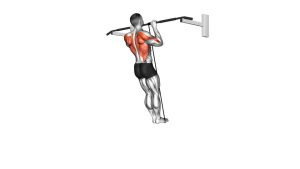
- Pull-up progression: 2–3 sets × 3–6 assisted reps with a band if strict reps are not yet controlled.
Progression rule: Add clean reps first. After that, slow the lowering phase or add a pause near the top before using extra weight.
Setup / Starting Position
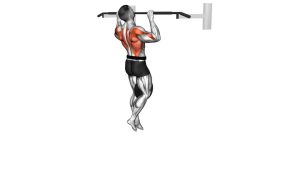
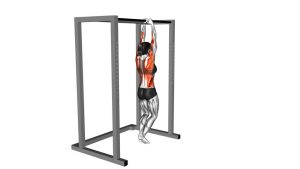
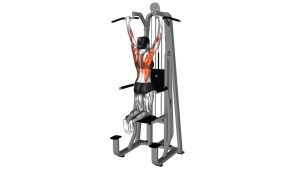
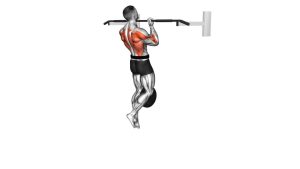
- Grip the bar lengthwise: Place both hands on the same bar with one hand in front of the other.
- Hang with control: Let the arms extend while keeping the shoulders active rather than loose and collapsed.
- Brace the core: Keep the ribs down, legs controlled, and body stacked under the bar.
- Set the shoulders: Pull the shoulder blades slightly down before starting the rep.
- Choose your first side: Decide which side of the bar your chin will move toward on the first pull.
Tip: Keep the grip firm but avoid over-squeezing so hard that the elbows and forearms fatigue before the back can work.
Execution (Step-by-Step)
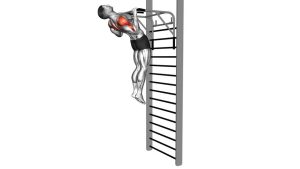
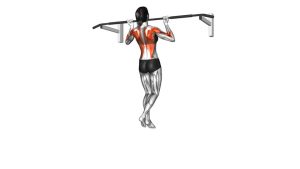
- Start from a controlled hang: Keep the body still and avoid kicking the legs forward.
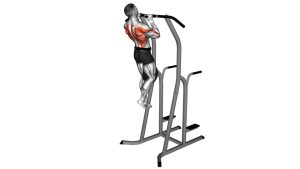
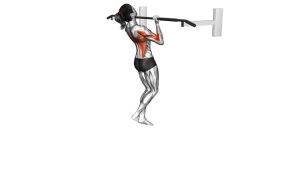
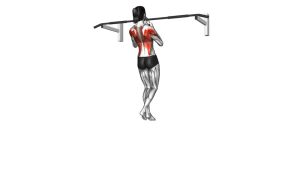
- Begin the pull: Drive the elbows down and back as your chest rises toward the bar.
- Shift to one side: As you approach the top, guide your head and chin to one side of the bar.
- Reach the top position: Pull until your chin reaches bar height while the bar passes near one side of your face or shoulder.
- Lower with control: Extend the elbows slowly and return to the bottom without dropping or swinging.
- Alternate sides: On the next repetition, pull toward the opposite side of the bar.
Pro Tips & Common Mistakes
- Pull with the back first: Think about driving the elbows down instead of only curling with the arms.
- Alternate evenly: Train both sides so one arm does not dominate every repetition.
- Avoid twisting too much: A small side shift is expected, but excessive rotation can reduce control.
- Control the bottom: Do not crash into a dead hang after each rep.
- Keep the core tight: Bracing helps prevent swinging and keeps the movement strict.
- Do not rush the top: Pause briefly near bar height if you want better strength and cleaner positioning.
- Watch the grip: Because the hands are offset, switch the front hand between sets for balanced loading.
FAQ
What muscles do Commando Pull-Ups work?
Commando Pull-Ups mainly work the lats, while also training the biceps, brachialis, forearms, upper back, rear delts, and core. Because the body shifts side to side, the exercise also challenges anti-rotation control.
Are Commando Pull-Ups harder than regular pull-ups?
They can feel harder because the grip is offset and each side receives uneven loading. However, some lifters find the neutral grip more comfortable for the shoulders and elbows.
Should I alternate sides every rep?
Yes, alternating sides is usually best for balanced development. You can also perform all reps to one side first, but only if you match the same number on the opposite side.
Can beginners do Commando Pull-Ups?
Most beginners should first build control with standard hangs, assisted pull-ups, and neutral-grip pull-ups. After that, Commando Pull-Ups become a useful progression.
Why do I swing during Commando Pull-Ups?
Swinging usually happens when the pull starts too aggressively or the core is not braced. To fix it, begin from a still hang, use fewer reps, and lower more slowly.
Recommended Equipment
- Doorway Pull-Up Bar — useful for home pull-up training when installed securely.
- Wall-Mounted Pull-Up Bar — provides a stronger fixed setup for strict bodyweight pulling.
- Pull-Up Assist Bands — helps reduce bodyweight load while learning clean reps.
- Liquid Chalk — improves grip security during demanding pull-up variations.
- Weighted Dip Belt — useful for advanced progression after strict bodyweight reps are controlled.
Tip: Start with a stable bar and controlled bodyweight reps before adding resistance. Better equipment helps, but clean technique should always come first.