Lever Shrug (Plate-Loaded): Proper Form, Sets, Tips & FAQ
Learn how to perform the plate-loaded lever shrug with proper form to build stronger upper traps and upper back thickness. Includes setup, execution, sets by goal, common mistakes, FAQs, and recommended equipment.
Lever Shrug (Plate-Loaded)
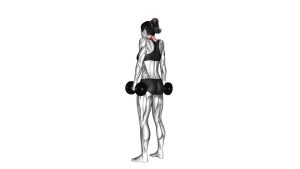
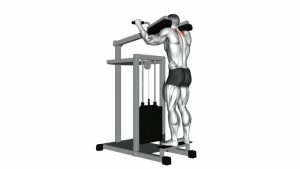
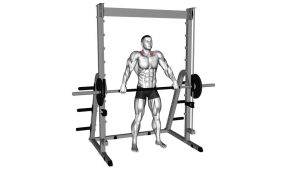
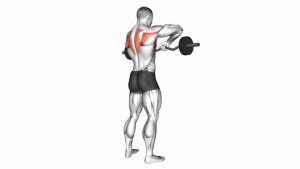
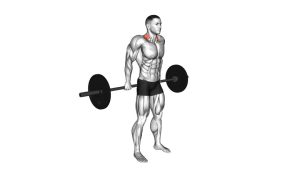
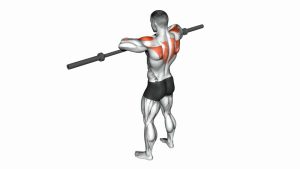
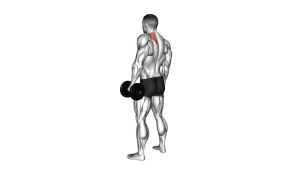
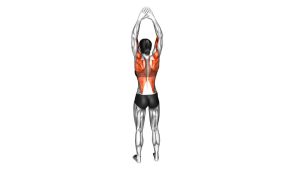
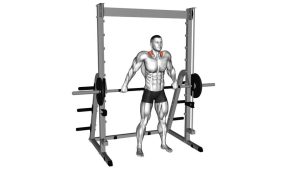
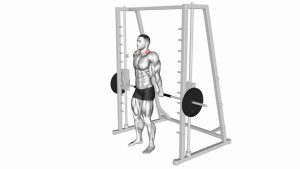
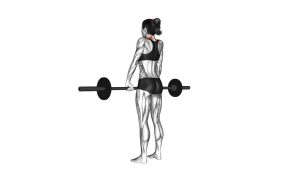
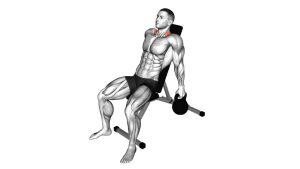
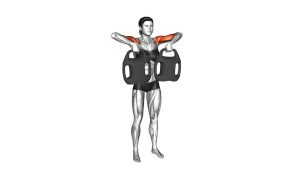
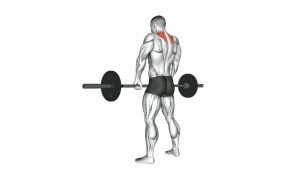
This movement is ideal for lifters who want to build thicker upper traps while keeping the motion simple and repeatable. The video demonstrates a strong example of machine shrug mechanics: arms stay long, torso stays stable, and the shoulders rise and lower under control. Because the machine reduces balance demands, it can be an excellent option for both beginners learning trap isolation and experienced lifters chasing consistent hypertrophy work.
Quick Overview
| Body Part | Upper Back |
|---|---|
| Primary Muscle | Upper trapezius |
| Secondary Muscle | Levator scapulae, mid traps, forearms (grip stabilization) |
| Equipment | Plate-loaded shrug machine |
| Difficulty | Beginner to Intermediate |
Sets & Reps (By Goal)
- Muscle growth: 3–5 sets × 8–15 reps with a hard squeeze at the top and 60–90 seconds rest
- Strength-focused trap work: 4–5 sets × 6–8 reps with controlled form and 90–120 seconds rest
- Technique practice: 2–3 sets × 10–12 reps using light-to-moderate load and slow tempo
- Upper-back finisher: 2–3 sets × 12–20 reps with strict execution and short rest periods
Progression rule: Increase the load only when you can keep every rep smooth, avoid shoulder rolling, and control the lowering phase from top to bottom.
Setup / Starting Position
- Load the machine: Add a manageable amount of weight that allows full control without jerking.
- Take your grip: Stand in the machine and grab the handles firmly with a neutral grip.
- Set your posture: Keep your chest up, core braced, and neck neutral with eyes forward.
- Let the arms hang long: Elbows stay straight and relaxed—do not pre-bend them to start the lift.
- Start from the bottom: Allow the shoulders to sit naturally low so the traps begin from a stretched position.
Tip: A stable stance and quiet torso make it easier to feel the traps doing the work instead of the arms or lower back.
Execution (Step-by-Step)
- Brace and stay tall: Lock in your torso position before the first rep and keep the neck relaxed.
- Shrug straight up: Raise your shoulders vertically toward your ears without pulling with the arms.
- Keep the elbows straight: The hands only hold the handles; they do not row or curl the weight upward.
- Squeeze at the top: Pause briefly in the fully elevated position to emphasize upper trap contraction.
- Lower under control: Bring the shoulders back down slowly to the starting position without dropping the load.
- Repeat with clean reps: Maintain the same vertical path on every repetition and avoid momentum.
Pro Tips & Common Mistakes
- Think “up,” not “back”: Drive the shoulders vertically instead of rolling them in circles.
- Pause at the top: A short squeeze improves trap engagement and keeps reps honest.
- Use a slow eccentric: Lowering under control builds more tension and reduces sloppy reps.
- Don’t bend the elbows: Turning the movement into a pull reduces trap isolation.
- Keep your head neutral: Avoid jutting the chin forward or lifting the face up during the shrug.
- Don’t chase ego weight: Heavy loading only helps when the shoulders still move cleanly through full control.
FAQ
What muscles does the plate-loaded lever shrug work?
The main target is the upper trapezius. The levator scapulae and upper-back stabilizers assist, while the forearms help maintain grip on the handles.
Is the lever shrug better than dumbbell or barbell shrugs?
It depends on your goal. The machine version offers a more stable path and often makes it easier to focus on pure trap contraction. Free weights can still be effective, but the lever shrug is excellent for strict isolation.
Should I roll my shoulders during shrugs?
No. Rolling the shoulders is a common mistake. The movement should be a clean up-and-down shoulder elevation with no circular motion.
How heavy should I go on machine shrugs?
Use a load that allows you to pause at the top, keep the elbows straight, and lower the weight slowly. If the machine starts moving you instead of you moving the machine, reduce the load.
Where should I feel this exercise?
You should feel a strong contraction across the upper traps near the top of the shoulders and upper back. You should not feel the movement dominated by the biceps, lower back, or neck strain.
Recommended Equipment
- Weightlifting Straps — useful when grip fatigue limits heavy shrug sets before the traps are fully challenged
- Gym Lifting Gloves — can improve handle comfort and reduce friction during higher-volume machine work
- Weightlifting Belt — optional support for lifters using heavier loads and wanting extra torso stability
- Fractional Weight Plates — helpful for making smaller progressive overload jumps on plate-loaded machines
- Foam Roller for Upper Back — useful for upper-back mobility and recovery work between training sessions
Tip: Accessories should support better training quality, not replace good form. Start by mastering clean reps before adding extra gear.