Bodyweight Row in Doorway: Form, Muscles Worked, Sets, Tips & FAQ
Learn how to do the Bodyweight Row in Doorway with proper form. Discover muscles worked, setup, step-by-step execution, sets by goal, common mistakes, FAQs, and recommended equipment.
Bodyweight Row in Doorway
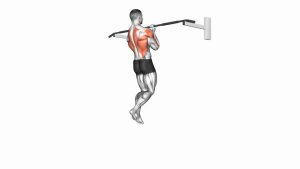
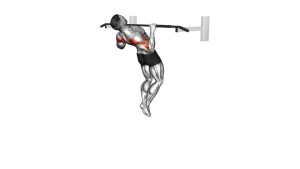
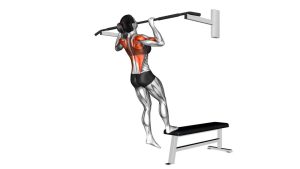
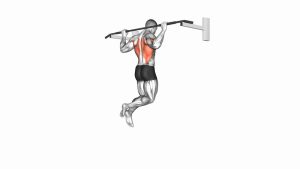
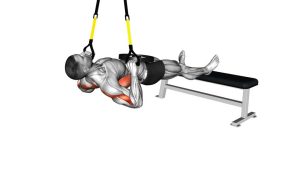
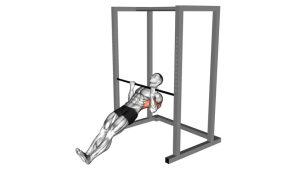
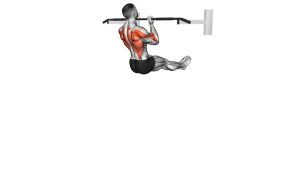
This movement works best when each rep is smooth and controlled. The goal is to create tension through the back rather than yanking with the arms or letting the hips drift out of line. As shown in the video, the body stays firm while the torso moves toward the doorway, making the exercise a useful option for home back development, posture-focused training, and beginner-friendly pulling practice.
Quick Overview
| Body Part | Back |
|---|---|
| Primary Muscle | Latissimus dorsi, rhomboids, middle trapezius |
| Secondary Muscle | Rear deltoids, biceps, forearms, core |
| Equipment | Sturdy doorway or solid vertical support surfaces |
| Difficulty | Beginner to Intermediate |
Sets & Reps (By Goal)
- Technique practice: 2–3 sets × 6–8 reps with slow tempo and full control
- Muscle building: 3–4 sets × 8–15 reps with 60–90 seconds rest
- Endurance / posture work: 2–4 sets × 12–20 reps with smooth, consistent motion
- Beginner home workout: 2–3 sets × 5–10 reps, adjusting body angle to control difficulty
Progression rule: First increase reps with clean form, then make the angle harder by leaning farther back or slowing the lowering phase. Do not progress by rushing the movement.
Setup / Starting Position
- Choose a stable doorway: Stand in a doorway or between two secure vertical supports you can grip safely.
- Take your grip: Hold both sides evenly at about chest height or a comfortable pulling position.
- Walk the feet forward: Lean your body backward so your arms are extended and your body angle creates resistance.
- Brace the body: Tighten the core, keep the chest open, and maintain a straight line from head to heels.
- Set the shoulders: Let the shoulders stay down and away from the ears before beginning the first rep.
Tip: A more upright body angle makes the exercise easier, while leaning farther back increases the difficulty.
Execution (Step-by-Step)
- Start fully extended: Begin with straight arms, a braced torso, and your weight supported through the feet and hands.
- Initiate with the upper back: Pull the shoulder blades slightly back and down before bending the elbows.
- Row your torso forward: Drive the elbows back and bring your chest toward the doorway in a controlled line.
- Pause at peak contraction: At the top, squeeze the upper back without shrugging the shoulders.
- Lower with control: Extend the arms slowly and return to the start position without collapsing or losing posture.
Pro Tips & Common Mistakes
- Keep the body rigid: Avoid sagging hips or excessive arching through the lower back.
- Lead with the elbows: This helps shift the work into the back instead of overusing the biceps.
- Do not shrug: Elevating the shoulders reduces back engagement and can irritate the neck.
- Control the eccentric: Lowering too fast makes the movement less effective and less safe.
- Adjust angle for level: The farther you lean back, the harder the row becomes.
- Avoid momentum: Swinging or jerking into the top position reduces tension on the target muscles.
- Use full, comfortable range: Pull as far as you can while keeping your shoulders and spine in a solid position.
FAQ
What muscles does the Bodyweight Row in Doorway work?
It mainly trains the back, especially the lats, rhomboids, and middle traps. The rear delts, biceps, forearms, and core also assist during the movement.
Is this a good substitute for gym rows?
Yes, it can be a useful home alternative for horizontal pulling, especially for beginners or anyone training without equipment. It will not replace every loaded row variation, but it is very effective for building pulling mechanics and back control.
How do I make the exercise harder?
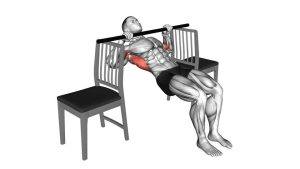
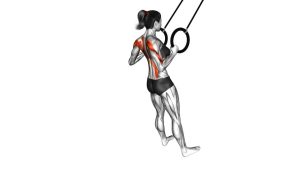
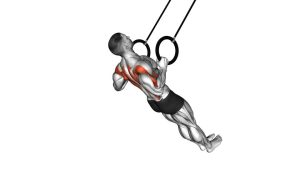
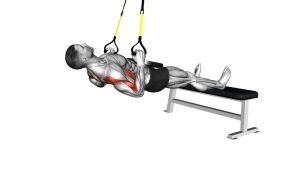
Lean farther back, slow down the lowering phase, pause longer at the top, or increase total reps and sets. Some people also progress to tougher bodyweight row variations using suspension trainers or low bars.
Why do I feel this mostly in my arms?
That usually happens when you pull only with the elbows and skip shoulder blade control. Focus on opening the chest, keeping the shoulders down, and initiating each rep by engaging the upper back first.
Can beginners use this exercise?
Absolutely. Beginners can simply use a more upright angle to reduce the load and practice clean technique before progressing.
Recommended Equipment
- Suspension Trainer — versatile for bodyweight rows, inverted rows, and full-body home training
- Resistance Bands with Door Anchor — useful for adding pulling volume and back activation work at home
- Doorway Pull-Up Bar — a strong upgrade for rows, hangs, pull-ups, and other home back exercises
- Gymnastics Rings — excellent for scalable row variations and advanced bodyweight pulling progressions
- Exercise Mat — adds comfort and traction for foot placement during home workouts
Tip: Choose stable, simple tools first. A secure setup matters more than adding complexity too early.