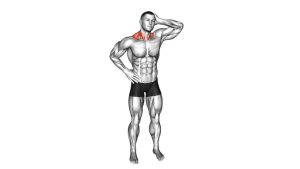
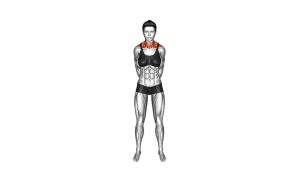
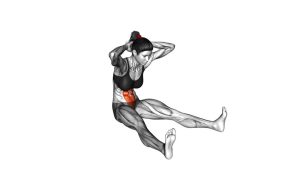
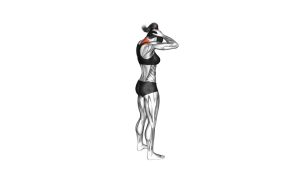
Backward Forward Turn to Side Neck Stretch: Safe Form, Sets, Tips & FAQ
Learn the Backward Forward Turn to Side Neck Stretch to improve cervical mobility and relieve neck stiffness. Step-by-step form, sets by goal, common mistakes, FAQs, and recommended tools.
Backward Forward Turn to Side Neck Stretch
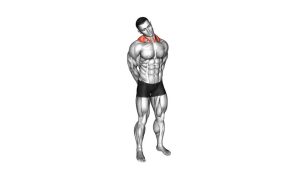
This movement works best when you keep your shoulders relaxed and your effort light. You should feel a gentle stretch along the side/back of the neck and sometimes the upper trap/levator region—without pinching, dizziness, or sharp pain. Move like you’re “oiling the joints,” not “cranking the neck.”
Quick Overview
| Body Part | Neck |
|---|---|
| Primary Muscle | Upper trapezius & levator scapulae (stretch emphasis) |
| Secondary Muscle | Cervical extensors/flexors and deep neck stabilizers (mobility & control) |
| Equipment | None (optional: chair support, towel, cervical pillow) |
| Difficulty | Beginner (best done slowly and gently) |
Sets & Reps (By Goal)
- Daily mobility / stiffness relief: 1–3 rounds × 3–6 reps per side (slow, relaxed breathing)
- Warm-up before training: 1–2 rounds × 2–4 reps per side (small range, smooth tempo)
- Posture “reset” (desk breaks): 1 round × 2–3 reps per side (very light effort, no forcing)
- Recovery / cooldown: 2 rounds × 3–5 reps per side (optional 2–5 sec pause in the easiest stretch position)
Progression rule: Increase comfort and smoothness first. Then add a small amount of range or a short pause (2–5 sec). Avoid pushing deeper if it causes pinching or symptoms.
Setup / Starting Position
- Choose your stance: Sit tall on a chair or stand with feet hip-width. Keep your torso still.
- Set shoulders: Drop shoulders down and back gently—no shrugging.
- Neutral neck: Start facing forward with the head stacked over ribs (avoid forward head jutting).
- Relax the jaw: Teeth unclenched; breathe through the nose if possible.
- Light intensity: Treat this as mobility, not a max stretch—move at a comfortable pace.
Tip: If you tend to compensate by turning your torso, lightly hold the chair seat with one hand to keep the shoulders quiet.
Execution (Step-by-Step)
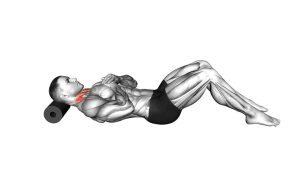
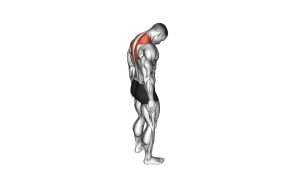
- Forward glide (flexion): Slowly bring the chin toward the chest until you feel a gentle stretch along the back of the neck.
- Backward open (extension): Smoothly reverse direction, lifting the chin up (comfortably) without jamming the neck.
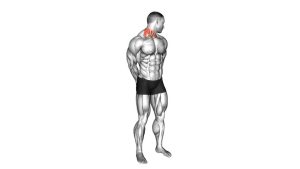
- Turn to the side (rotation): Rotate the head to one side as if looking over the shoulder—keep shoulders down.
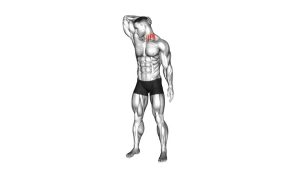
- Side tilt (lateral bend): Gently bring the ear toward the same-side shoulder to emphasize the side-neck stretch.
- Return to center: Come back to neutral slowly. Repeat on the other side.
Pro Tips & Common Mistakes
- Move slowly: Rushing increases tension and makes compensation more likely.
- Keep shoulders down: Shrugging reduces the quality of the side-neck stretch.
- Don’t force extension: Avoid cranking the chin high—use a comfortable “open” position.
- Torso stays still: Rotation should come from the neck, not twisting your chest.
- Breathe through the stretch: Gentle exhales help reduce guarding.
- Stop chasing end range: The goal is better movement quality, not maximum depth.
FAQ
Where should I feel this stretch?
Most people feel it along the side of the neck (upper trap/levator area) during the side tilt, and along the back of the neck during the forward portion. It should feel gentle—not sharp or “pinchy.”
How often can I do it?
You can often do this daily if it stays light and symptom-free. For desk work, 1–2 short rounds during breaks can help maintain comfortable mobility.
What if I get dizziness or headaches?
Stop immediately and avoid pushing neck range. Dizziness/headache symptoms can be a sign that this range or pattern isn’t appropriate right now. If symptoms repeat, consult a qualified healthcare professional before continuing.
Is it okay if I hear small neck sounds?
Light clicking can happen, but it’s not a goal. If sounds come with pain, catching, or discomfort, reduce range and slow down. Smooth motion matters more than depth.
Recommended Equipment (Optional)
- Ergonomic Cervical Contour Pillow — supports neutral neck alignment during rest (helpful if morning stiffness is an issue)
- Massage Ball / Trigger Point Ball Set — useful for gentle self-massage around upper trap/levator areas (avoid pressing on the front of the neck)
- Heated Neck & Shoulder Wrap — heat can reduce guarding and make mobility work feel smoother
- Resistance Bands (for Pull-Aparts) — pair with upper-back work to support posture (rows, pull-aparts, face pulls)
- Adjustable Posture Reminder Brace — optional awareness tool for shoulder rounding (not a replacement for strengthening)
Tip: Tools should make you feel better, not worse. If a product increases symptoms, stop using it and reassess.