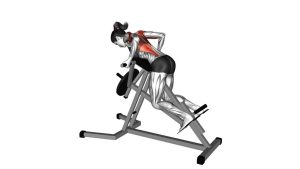
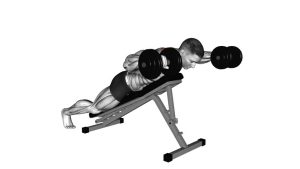
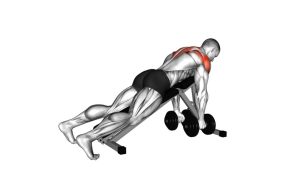
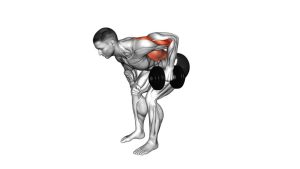
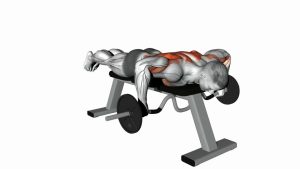
Dumbbell Hammer-Grip Incline Bench Two-Arm Row: Form, Muscles Worked, Sets & Tips
Learn how to do the Dumbbell Hammer-Grip Incline Bench Two-Arm Row with proper form. Discover muscles worked, setup, step-by-step execution, sets and reps by goal, mistakes to avoid, FAQs, and recommended equipment.
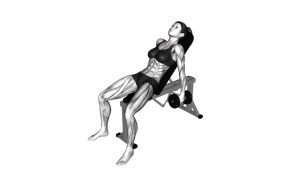
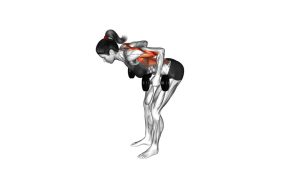
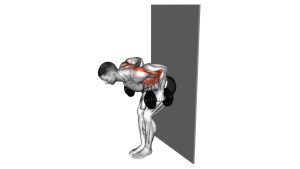
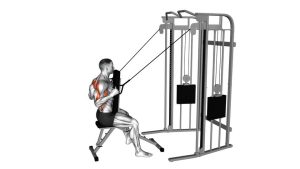
Dumbbell Hammer-Grip Incline Bench Two-Arm Row
This exercise is excellent for lifters who want cleaner rowing mechanics, better upper-back engagement, and less cheating from body swing. Because the torso is supported, it becomes easier to concentrate on the rhomboids, middle traps, rear delts, and lats without turning the movement into a loose full-body pull. It works especially well as part of a back day, posture-focused session, or dumbbell-only routine.
Quick Overview
| Body Part | Back |
|---|---|
| Primary Muscle | Rhomboids and middle trapezius |
| Secondary Muscle | Latissimus dorsi, rear deltoids, biceps, forearms |
| Equipment | Incline bench and two dumbbells |
| Difficulty | Beginner to Intermediate |
Sets & Reps (By Goal)
- Muscle growth: 3-4 sets × 8-12 reps with 60-90 seconds of rest
- Strength focus: 4-5 sets × 5-8 reps with 90-120 seconds of rest
- Technique and control: 2-3 sets × 10-15 reps with strict tempo and moderate load
- Posture and upper-back endurance: 2-4 sets × 12-15 reps with a 1-2 second squeeze at the top
Progression rule: Increase the weight only after you can complete all target reps with a full stretch at the bottom, a clean squeeze at the top, and no chest lift off the bench.
Setup / Starting Position
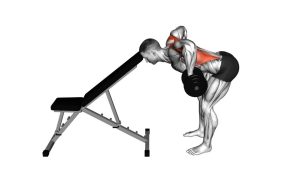
- Set the bench: Adjust an incline bench to a moderate incline, usually around 30 to 45 degrees.
- Grab the dumbbells: Hold one dumbbell in each hand with a neutral grip, palms facing each other.
- Lie chest-down: Position your chest firmly against the bench with your head neutral and feet planted for balance.
- Let the arms hang: Extend your arms straight down beneath the shoulders without rounding the upper back.
- Brace lightly: Keep the core tight, shoulders packed, and neck relaxed before beginning the first rep.
Tip: Set the bench high enough that the dumbbells can hang freely without hitting the floor at the bottom.
Execution (Step-by-Step)
- Start from a dead hang: Allow the shoulder blades to spread slightly so the upper back gets a full stretch.
- Initiate with the back: Begin the rep by pulling the shoulder blades back and down before bending the elbows aggressively.
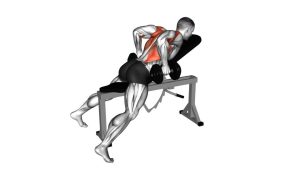
- Row the dumbbells upward: Drive both elbows toward your hips and lower ribs while keeping the neutral grip steady.
- Squeeze at the top: Pause briefly when the dumbbells reach the sides of your torso and the shoulder blades are fully retracted.
- Lower with control: Slowly extend the arms back to the start without dropping the weights or bouncing into the next rep.
Pro Tips & Common Mistakes
- Keep your chest glued to the bench: Lifting the torso off the pad reduces isolation and usually means the weight is too heavy.
- Pull through the elbows: This improves back engagement and helps avoid curling the dumbbells with the arms only.
- Do not shrug: Let the shoulder blades retract naturally, but avoid turning the movement into an upper-trap shrug.
- Use full range: Reach into a controlled stretch at the bottom, then squeeze hard at the top.
- Keep the wrists neutral: A steady hammer grip often feels more joint-friendly than forcing wrist rotation.
- Control the negative: The lowering phase helps build more tension in the upper back and improves technique.
- Avoid rushing: Fast reps often shift work away from the target muscles and into momentum.
FAQ
What muscles does the Dumbbell Hammer-Grip Incline Bench Two-Arm Row work?
It mainly targets the upper back, especially the rhomboids and middle traps, while the lats, rear delts, biceps, and forearms assist during the pull.
Why use an incline bench for this row?
The incline bench supports your torso, reduces lower-back fatigue, and makes it easier to focus on strict rowing mechanics and upper-back contraction.
What bench angle works best?
A moderate incline usually works best. Many lifters prefer roughly 30 to 45 degrees because it balances comfort, range of motion, and upper-back emphasis.
Should I row toward my chest or my waist?
For most lifters, pulling toward the lower ribs or upper waist keeps the elbows in a stronger path and helps emphasize the back without excessive shrugging.
Is this better than a regular bent-over dumbbell row?
It is not always better, but it is often easier to perform with strict form. Chest support removes some of the stability demand, which can help you isolate the upper back more effectively.
Can beginners use this exercise?
Yes. It is a beginner-friendly rowing variation because the bench provides support and helps reduce unnecessary body movement during the set.
Recommended Equipment
- Adjustable Weight Bench — essential for setting a stable incline and performing chest-supported rows correctly
- Adjustable Dumbbells — convenient for progressive overload without needing multiple fixed pairs
- Weightlifting Straps — useful when grip becomes the limiting factor before the back muscles are fully challenged
- Training Gloves or Grip Pads — can improve dumbbell comfort and reduce handle irritation during higher-volume sets
- Resistance Bands Set — helpful for warm-ups, scapular activation drills, and extra back work before or after rows
Tip: Prioritize a solid bench and dumbbells first. Accessories like straps or gloves are optional and mostly useful once your loads become heavier.