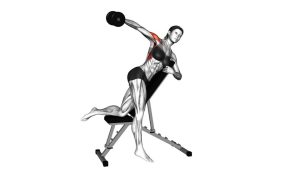
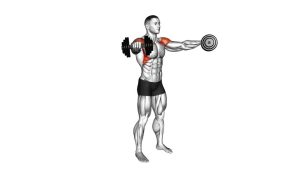
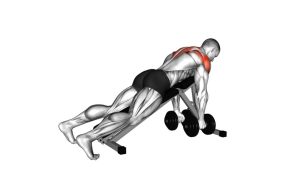
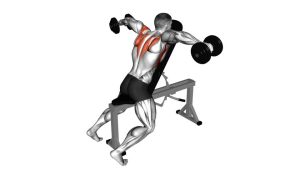
Dumbbell Bent-Over Reverse Raise (Skier Style): Form, Muscles Worked, Sets & Tips
Learn how to do the Dumbbell Bent-Over Reverse Raise (Skier Style) with proper form. Discover muscles worked, setup, execution steps, sets by goal, common mistakes, FAQs, and recommended equipment.
Dumbbell Bent-Over Reverse Raise (Skier Style)
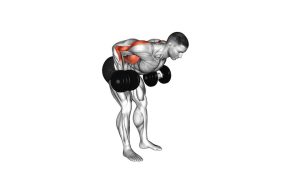
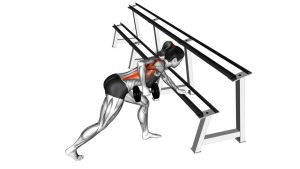
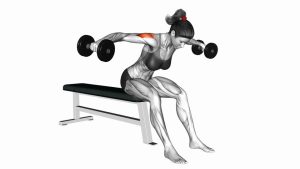
This variation works best with moderate weight, a clean hip hinge, and a controlled raising path. Because the arms travel slightly behind the body, it can create a strong rear-delt contraction without turning into a heavy row. You should feel the movement mostly in the back of the shoulders and upper back, not in the lower back, neck, or momentum-driven swinging.
Quick Overview
| Body Part | Shoulders |
|---|---|
| Primary Muscle | Rear deltoids |
| Secondary Muscle | Rhomboids, middle trapezius, posterior rotator cuff, spinal erectors (stabilizing) |
| Equipment | Dumbbells |
| Difficulty | Beginner to Intermediate |
Sets & Reps (By Goal)
- Muscle growth: 3–4 sets × 10–15 reps with controlled tempo and 45–75 seconds rest
- Shoulder control / activation: 2–3 sets × 12–20 reps using light dumbbells and perfect form
- Upper-back accessory work: 3–4 sets × 8–12 reps after rows, pull-ups, or pressing work
- Warm-up / prehab: 1–2 sets × 12–15 easy reps with very light weight
Progression rule: Add reps first, then increase dumbbell weight slightly once you can keep the torso still, avoid shrugging, and maintain a clean skier-style path on every rep.
Setup / Starting Position
- Grab two dumbbells: Choose a manageable load you can raise without swinging.
- Set your stance: Stand with feet around hip- to shoulder-width apart.
- Soften the knees: Keep a slight bend in the knees to support the hinge.
- Hinge at the hips: Push the hips back and lean the torso forward until your chest is angled toward the floor.
- Keep a neutral spine: Brace the core, keep the chest open, and avoid rounding the upper or lower back.
- Let the dumbbells hang: Start with arms down beneath the shoulders and elbows slightly bent.
- Set the neck position: Keep your head neutral and gaze slightly downward.
Tip: Think of your torso as the “platform.” The more stable your hinge is, the easier it is to isolate the rear delts.
Execution (Step-by-Step)
- Start in the bent-over position: Let the dumbbells hang naturally with a neutral grip and soft elbows.
- Initiate from the shoulders: Begin lifting the arms by driving them back and slightly out, not straight up.
- Use the skier path: Imagine pushing ski poles behind you as the upper arms move diagonally backward.
- Squeeze at the top: Raise until the rear delts and upper back fully contract without shrugging or overextending.
- Pause briefly: Hold the top for a short moment to reinforce rear-delt tension.
- Lower under control: Bring the dumbbells back down slowly along the same path.
- Repeat smoothly: Keep every rep controlled, with no bouncing, yanking, or torso movement.
Pro Tips & Common Mistakes
- Keep the hinge fixed: The torso should stay still throughout the set.
- Lead with the upper arms: Don’t curl the dumbbells upward like a row.
- Use light-to-moderate loads: Rear-delt work is usually more effective with precision than heavy momentum.
- Avoid shrugging: Keep the neck relaxed and do not let the upper traps take over.
- Don’t raise too high: Stop where you still feel rear-delt tension and clean shoulder mechanics.
- Control the lowering phase: The eccentric helps build better rear-delt recruitment.
- Keep elbows soft: A slight bend is good, but too much bend turns the movement into a row.
- Brace the core: This protects the lower back and keeps the shoulders in a better working position.
FAQ
What muscles does the Dumbbell Bent-Over Reverse Raise (Skier Style) work?
It primarily targets the rear deltoids. Secondary muscles include the rhomboids, middle traps, and smaller shoulder stabilizers.
What makes the “skier style” different from a normal reverse fly?
Instead of lifting the arms straight out to the sides, the skier style sends them back and slightly outward. This creates a different angle that can feel smoother and more natural for some lifters.
Should I go heavy on this exercise?
Usually no. This exercise responds better to clean control and moderate reps than very heavy weight. Going too heavy often causes swinging, shrugging, or turning the movement into a row.
Why do I feel this in my traps more than my rear delts?
That often happens when the shoulders shrug upward or the weight is too heavy. Lower the load, keep the neck relaxed, and think about moving the upper arms back with the rear delts.
Can beginners use this exercise?
Yes. Beginners can start with very light dumbbells and focus on learning the hip hinge, stable torso position, and controlled arm path before increasing load.
Recommended Equipment
- Adjustable Dumbbells — practical for progressive overload and easy weight changes at home
- Flat or Adjustable Weight Bench — useful for chest-supported rear-delt variations and other upper-body work
- Resistance Bands Set — great for warm-ups, shoulder activation, and extra rear-delt volume
- Lifting Straps — optional if grip becomes the limiting factor during higher-rep dumbbell work
- Exercise Mat — adds comfort and stability for home training setups
Tip: For this movement, a lighter dumbbell that lets you feel the rear delts clearly is usually better than a heavier one that forces momentum.