Scapula Dips: Proper Form, Sets, Muscles Worked & FAQ
Learn how to do Scapula Dips with proper form to improve scapular control, shoulder stability, and upper-body strength. Includes muscles worked, setup, execution, sets by goal, mistakes, FAQ, and recommended equipment.
Scapula Dips
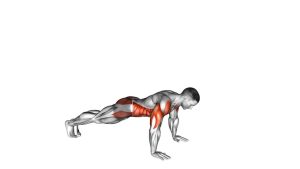
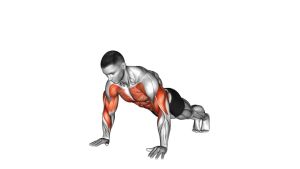
Scapula Dips look simple, but they require precision. The goal is to move the shoulder girdle cleanly while keeping the elbows straight, the neck long, and the torso steady. You should feel the muscles around the shoulder blades working to lift and lower the body in a small range of motion. When performed well, this drill builds strong mechanics for pressing support positions and teaches you how to control the scapulae instead of relying on momentum.
Quick Overview
| Body Part | Shoulders |
|---|---|
| Primary Muscle | Lower trapezius and serratus anterior |
| Secondary Muscle | Latissimus dorsi, rhomboids, triceps (isometric support), upper back stabilizers |
| Equipment | Bench, parallel bars, dip bars, or sturdy support handles |
| Difficulty | Beginner to intermediate |
Sets & Reps (By Goal)
- Technique practice: 2–3 sets × 8–12 reps with slow, clean control
- Shoulder stability: 3–4 sets × 10–15 reps with 1–2 seconds at the top
- Warm-up for dips or calisthenics: 2–3 sets × 6–10 reps before main training
- Support strength development: 3–4 sets × 8–12 reps with a deliberate pause in the depressed position
Progression rule: First improve control, range, and pauses. Then increase reps or move from a bench setup to parallel bars or dip bars for a more demanding support position.
Setup / Starting Position
- Choose your support: Use the edge of a bench, dip bars, or parallel bars depending on your strength and mobility.
- Place the hands beside the hips: Grip the surface firmly with the palms pressing down and fingers positioned comfortably.
- Straighten the arms: Lock or nearly lock the elbows and keep them that way for the whole set.
- Set the torso: Stay tall through the chest with the core lightly braced and shoulders neutral.
- Start in support: Let the shoulders sit naturally at the top without shrugging excessively or collapsing into the joints.
Tip: Beginners often learn this exercise best on a bench with the feet lightly assisting on the floor before progressing to full bodyweight support on dip bars.
Execution (Step-by-Step)
- Press down through the hands: Drive your palms into the support surface as if trying to push it away.
- Depress the scapulae: Pull the shoulders down away from the ears without bending the elbows.
- Lift slightly through the torso: Your body should rise a little as the shoulder blades move downward and stabilize.
- Pause at the top: Hold the depressed position for 1–2 seconds while keeping the neck long and chest steady.
- Lower with control: Slowly allow the shoulders to rise back up to the start position without dropping or bouncing.
- Repeat smoothly: Keep every rep small, precise, and driven by the shoulder blades rather than the arms.
Pro Tips & Common Mistakes
- Keep the elbows straight: The exercise is about scapular motion, not pressing with the triceps.
- Use a small range: A short, high-quality motion is better than a big uncontrolled drop.
- Think “shoulders away from ears”: This helps cue scapular depression without overcomplicating the movement.
- Do not collapse at the bottom: Lower under control instead of hanging passively on the joints.
- Keep the neck relaxed: Avoid craning forward or shrugging upward as fatigue builds.
- Do not swing the torso: The body should stay steady while the shoulder blades move.
- Pause at the strongest position: A brief hold at the top improves awareness and shoulder stability.
FAQ
What muscles do Scapula Dips work?
Scapula Dips mainly train the muscles that control the shoulder blades, especially the lower trapezius and serratus anterior. The lats, rhomboids, and triceps also help stabilize the support position.
Are Scapula Dips the same as regular dips?
No. Regular dips involve bending the elbows and lowering the body through a pressing range. Scapula Dips keep the elbows straight and focus on controlled movement of the shoulder blades.
Who should use this exercise?
This exercise is useful for beginners, calisthenics athletes, and anyone who wants better scapular control for dips, pull-ups, handstands, or general shoulder health and stability.
Can beginners do Scapula Dips?
Yes. A bench-supported version with the feet on the floor is usually beginner-friendly. Start with a small range and focus on control before progressing to harder support positions.
How do I make Scapula Dips harder?
You can make them harder by using dip bars or parallettes, reducing assistance from the legs, adding pauses, slowing the tempo, or combining them with support holds and regular dip progressions.
Recommended Equipment (Optional)
- Dip Bars — ideal for progressing from bench-supported scapula dips to full support-position work
- Dip Station — gives you a stable setup for scapula dips, support holds, and regular dip training
- Resistance Bands Set — useful for warm-ups, shoulder activation drills, and complementary scapular strengthening work
- Yoga / Exercise Mat — adds comfort and grip for floor-based shoulder prep, mobility, and accessory work
- Wrist Wraps — optional support if long support holds or dip setups bother your wrists
Tip: Start with the most stable setup possible. Better support usually means better scapular control and cleaner reps.