Trap Bar Standing Shrug: Proper Form, Sets, Muscles Worked & FAQ
Learn how to perform the Trap Bar Standing Shrug with proper form to build stronger upper traps. Includes muscles worked, setup, step-by-step execution, sets and reps by goal, common mistakes, FAQ, and recommended equipment.
Trap Bar Standing Shrug
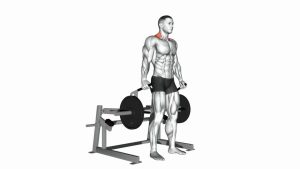
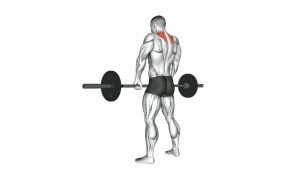
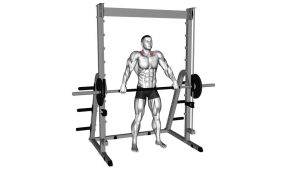
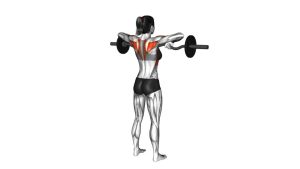
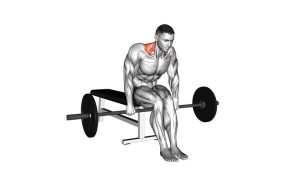
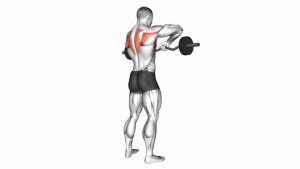
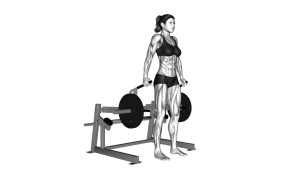
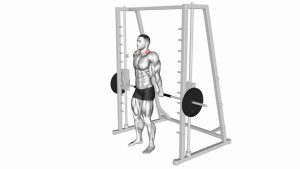
The Trap Bar Standing Shrug works best when the torso stays still and the shoulders do the work. The video shows a stable standing position, a neutral grip, and a smooth up-and-down motion that keeps tension where it belongs. Because the load sits at your sides instead of out in front, many lifters find the trap bar shrug more comfortable and more natural than barbell shrugs.
Quick Overview
| Body Part | Back |
|---|---|
| Primary Muscle | Upper trapezius |
| Secondary Muscle | Levator scapulae, forearms, grip muscles, mid traps for support |
| Equipment | Trap bar / hex bar and weight plates |
| Difficulty | Beginner to Intermediate |
Sets & Reps (By Goal)
- Muscle growth: 3–4 sets × 10–15 reps with a controlled squeeze at the top
- Strength focus: 4–5 sets × 6–10 reps with heavier weight and strict form
- Upper-back accessory work: 2–4 sets × 12–20 reps after rows, deadlifts, or carries
- Technique practice: 2–3 sets × 8–12 reps using moderate weight and full control
Progression rule: Add load only when you can keep each rep smooth, vertical, and free from torso swing. A short pause at the top is often a better progression than simply piling on more weight.
Setup / Starting Position
- Step inside the trap bar: Center yourself so the load is balanced evenly on both sides.
- Set your stance: Place your feet about hip-width to shoulder-width apart.
- Grip the handles firmly: Use a neutral grip with arms fully extended.
- Stand tall: Keep the chest up, core braced, neck neutral, and shoulders relaxed at the bottom.
- Start from a dead still position: No bouncing, swaying, or pre-shrugging before the rep begins.
Tip: Think of your body as a tall pillar. The shoulders should move while the rest of the body stays quiet.
Execution (Step-by-Step)
- Brace and stabilize: Tighten your core and keep your head in a neutral position.
- Shrug straight up: Raise your shoulders toward your ears in a clean vertical line.
- Keep the arms straight: Do not bend the elbows or turn the movement into an upright row.
- Squeeze at the top: Hold the top for a brief moment to maximize upper trap contraction.
- Lower under control: Return the shoulders to the starting position slowly without dropping the weight.
- Repeat with consistent tempo: Every rep should look nearly identical from start to finish.
Pro Tips & Common Mistakes
- Shrug up, not around: Shoulder rolling is unnecessary and usually makes the movement sloppier.
- Keep your neck neutral: Do not jab the chin forward or crane the head upward.
- Use full control: Fast, bouncing reps shift tension away from the traps.
- Do not bend the elbows: Straight arms keep the shrug focused on shoulder elevation.
- Pause at the top: A brief squeeze improves trap engagement and discourages momentum.
- Stay stacked: Avoid leaning backward as the weight gets heavier.
- Use straps if needed: If grip fails before the traps, straps can help on your heaviest sets.
FAQ
What muscles does the Trap Bar Standing Shrug work?
The primary target is the upper trapezius. Secondary assistance comes from the levator scapulae, forearms, and grip muscles.
Is a trap bar shrug better than a barbell shrug?
For many lifters, yes. The trap bar places the load at the sides, which often feels more natural and can reduce the awkward forward pull that some people notice with a barbell.
Should I roll my shoulders during shrugs?
No. The best reps are usually straight up and straight down. Rolling the shoulders adds unnecessary motion and often reduces clean upper trap loading.
How heavy should I go on trap bar shrugs?
Use the heaviest load you can control without torso sway, elbow bend, or rushed lowering. Strict reps beat sloppy heavy reps for both safety and muscle stimulus.
Can beginners use the Trap Bar Standing Shrug?
Yes. It is beginner-friendly as long as the load stays manageable and the lifter focuses on controlled shoulder elevation rather than ego lifting.
Recommended Equipment
- Trap Bar / Hex Bar — the main tool for loading shrugs with a neutral grip and balanced body position
- Olympic Weight Plates — lets you scale resistance gradually as your upper traps get stronger
- Weightlifting Straps — useful when grip becomes the limiting factor on heavier shrug sets
- Barbell Collars — helps keep the plates secure and stable during loaded trap bar work
- Resistance Bands Set — great for warm-ups, shoulder prep, and upper-back activation before heavy shrugs
Tip: Choose equipment that supports clean execution first. Stable loading and consistent form matter more than using the heaviest possible setup.