Parallel Bar Shrug: Proper Form, Sets, Muscles Worked & FAQ
Learn how to do the Parallel Bar Shrug with proper form to build upper traps, scapular strength, and shoulder stability. Includes setup, execution steps, sets by goal, mistakes, FAQ, and recommended equipment.
Parallel Bar Shrug
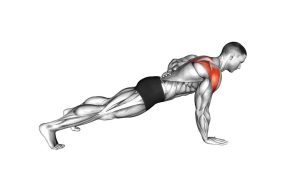
In the video, the athlete begins in a stable support hold with the elbows locked and body upright above the bars. From there, the shoulders move from a depressed position into a controlled shrug upward toward the ears, then return slowly to the start. The motion is short, clean, and deliberate. Because the elbows stay straight throughout the rep, the emphasis remains on the upper traps and scapular mechanics rather than the chest or triceps.
Quick Overview
| Body Part | Upper Back |
|---|---|
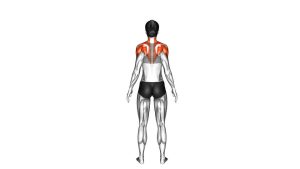
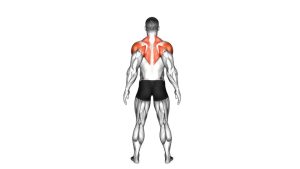
| Primary Muscle | Upper trapezius |
| Secondary Muscle | Levator scapulae, rhomboids, serratus anterior, forearms, shoulder stabilizers |
| Equipment | Parallel bars, dip station, or sturdy dip handles |
| Difficulty | Beginner to intermediate |
Sets & Reps (By Goal)
- Technique practice: 2–3 sets × 8–10 reps with slow control and a short pause at the top
- Trap strength: 3–4 sets × 10–15 reps with full scapular range and 45–75 sec rest
- Calisthenics support stability: 3–4 sets × 6–12 reps with a 1–2 second squeeze at the top
- Warm-up / activation: 2 sets × 8–12 reps using smooth, crisp reps before dips, pull-ups, or scapular work
Progression rule: First improve control, range, and pause quality. Then add reps, longer peak contractions, or slower eccentrics before increasing exercise difficulty.
Setup / Starting Position
- Grip the bars firmly: Place your hands on the parallel bars or dip handles with a secure, neutral grip.
- Press into top support: Lift yourself into the top of a dip position with the elbows locked out.
- Stack your posture: Keep the chest tall, ribs controlled, and core braced so the torso stays steady.
- Let the shoulders settle: Begin with the shoulder blades slightly depressed, not shrugged up.
- Keep the body quiet: Legs can hang or stay slightly bent, but avoid swinging or excessive forward lean.
Tip: Think of this as a scapular shrug in support hold, not a mini dip. Your elbows should stay straight from start to finish.
Execution (Step-by-Step)
- Start tall at the top: Lock the elbows, grip hard, and stabilize your body over the bars.
- Shrug the shoulders upward: Elevate the shoulders toward the ears without bending the arms.
- Keep the torso upright: Avoid swinging, leaning, or allowing the chest to collapse.
- Pause briefly at the top: Squeeze the upper traps for 1–2 seconds while staying controlled.
- Lower under control: Return the shoulders to the starting position slowly, maintaining tension the whole time.
- Repeat with smooth reps: Each rep should be short, precise, and focused on scapular movement only.
Pro Tips & Common Mistakes
- Keep the elbows locked: Bent arms shift the movement away from the traps and into pressing muscles.
- Use a controlled tempo: A steady rise, short squeeze, and slow return will produce better trap activation than rushed reps.
- Stay tall through the chest: Don’t sink forward or round the shoulders excessively.
- Don’t overdo the range: Use the range you can control cleanly without losing support position.
- Avoid body swing: Momentum reduces the training effect and makes the exercise less precise.
- Build support strength first: If top support holds feel unstable, improve that position before pushing shrug volume higher.
FAQ
What muscles does the Parallel Bar Shrug work?
The main target is the upper trapezius. Secondary involvement comes from the levator scapulae, rhomboids, serratus anterior, forearms, and other shoulder stabilizers that help maintain the support position.
Is this the same as doing dips?
No. In dips, the elbows bend and the chest, shoulders, and triceps do most of the work. In the Parallel Bar Shrug, the elbows stay straight and the movement happens mainly at the shoulder blades.
Is the Parallel Bar Shrug good for calisthenics?
Yes. It can help improve support strength, scapular control, and trap endurance, which may carry over to dips, support holds, hand balancing progressions, and other upper-body calisthenics skills.
How high should I shrug my shoulders?
Go as high as you can while keeping the elbows locked and the body stable. The best reps emphasize clean control, not exaggerated motion or swinging.
What if I feel this more in my wrists than my traps?
Check your bar setup, grip comfort, and support strength. Wrist discomfort often improves when you build stability gradually, warm up the wrists first, and avoid grinding out sloppy reps.
Recommended Equipment (Optional)
- Dip Station — the main setup for performing Parallel Bar Shrugs, support holds, and bodyweight pressing drills
- Parallettes — a compact option for home training and support-position practice
- Wrist Wraps / Training Supports — useful for lifters who want extra wrist comfort during support-based bodyweight work
- Resistance Bands Set — helpful for warm-ups, scapular activation, and complementary upper-back training
- Liquid Chalk — improves grip security on bars when your hands get sweaty during support holds
Tip: Choose equipment that helps you maintain a stable, comfortable support position. Better stability usually means better scapular control and cleaner reps.