Kneeling Lat Stretch: Proper Form, Benefits, Sets, Tips & FAQ
Learn how to perform the Kneeling Lat Stretch with proper form to improve lat flexibility, shoulder mobility, and upper-back movement. Includes setup, execution, tips, FAQs, and recommended equipment.
Kneeling Lat Stretch
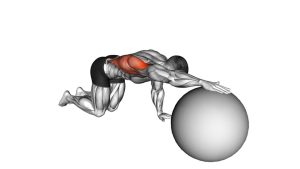
This stretch is especially useful for people with tight lats, restricted overhead motion, or stiffness from frequent pulling work and long hours at a desk. When done correctly, it creates a deep but comfortable stretch through the upper outer back and shoulder area. The movement should feel controlled and length-focused, not aggressive. You want to reach long through the arms, sit the hips back, and let the chest drop gradually while keeping the neck relaxed.
Quick Overview
| Body Part | Back |
|---|---|
| Primary Muscle | Latissimus dorsi |
| Secondary Muscle | Teres major, rear deltoids, long head of the triceps, thoracic extensors |
| Equipment | None (optional: mat, bench, foam pad, yoga blocks) |
| Difficulty | Beginner |
Sets & Reps (By Goal)
- General mobility: 2–3 sets × 20–30 second holds
- Warm-up before back or shoulder training: 1–2 sets × 15–25 second holds
- Post-workout recovery: 2–4 sets × 30–45 second holds
- Improving overhead flexibility: 2–3 sets × 30–40 second holds per side or both arms together
Progression rule: Increase hold time gradually and improve stretch quality before trying deeper range. Better positioning and breathing usually matter more than forcing extra depth.
Setup / Starting Position
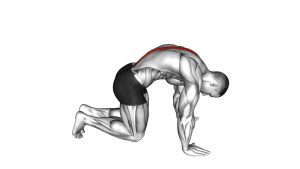
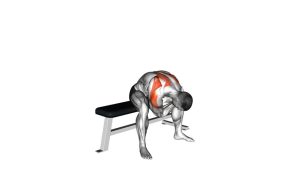
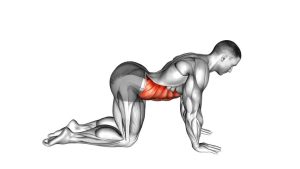
- Start on all fours: Kneel on the floor with your hands placed in front of you and your knees under your hips.
- Set a neutral spine: Keep the head, neck, and back aligned without rounding hard or collapsing the lower back.
- Extend the arms forward: Walk your hands out in front so your shoulders move into overhead flexion.
- Keep the elbows straight: Reach long through the hands to maximize the stretch through the lats.
- Brace lightly: Keep the ribs under control so the lower back does not take over the movement.
Tip: A padded mat under the knees can make the stretch more comfortable and easier to hold with good posture.
Execution (Step-by-Step)
- Reach forward first: Lengthen through both arms and spread the fingers for light support.
- Sit the hips back: Slowly move your hips toward your heels while keeping your hands planted.
- Lower the chest: Let the chest sink down toward the floor as the shoulders flex overhead.
- Keep the arms long: Maintain straight elbows and think about stretching from the armpits down the sides of the torso.
- Pause and breathe: Hold the end position while taking slow breaths and relaxing the neck and shoulders.
- Return with control: Shift forward gently and come back to the starting kneeling position without rushing.
Pro Tips & Common Mistakes
- Think length, not collapse: Reach the arms forward to create space before sitting back.
- Keep the ribs controlled: Excessive rib flare often turns the stretch into low-back extension instead of lat lengthening.
- Do not bend the elbows: Bent arms reduce the overhead stretch and make the position less effective.
- Move slowly into range: A gradual sink into the stretch works better than bouncing or forcing depth.
- Relax the neck: Avoid shrugging or tensing the traps while holding the position.
- Use breathing to deepen the stretch: Exhale slowly and let the chest soften closer to the floor.
- Do not force shoulder discomfort: If overhead position bothers the shoulder, shorten the range or elevate the hands on a bench.
FAQ
Where should I feel the Kneeling Lat Stretch?
You should mainly feel it along the sides of the upper back, near the armpits, and through the latissimus dorsi. Some people also feel a stretch in the shoulders and mid-back.
Is this stretch good before pull-ups or rows?
Yes. It can be helpful before pulling sessions because it opens the lats and shoulders, which may improve movement quality and comfort. Keep the hold moderate before training and save longer holds for after the workout.
Can beginners do this stretch safely?
Yes. It is beginner-friendly when performed gently and with control. Start with short holds and avoid forcing the chest too low if your shoulders or back feel restricted.
Why do I feel it in my lower back instead of my lats?
That usually happens when the ribs flare too much or the lower back arches excessively. Try lightly bracing your core, keeping the ribs down, and reaching farther through the hands instead of dropping deeper.
Can I do this stretch every day?
In most cases, yes. Since it is a low-intensity mobility exercise, many people can perform it daily as long as it feels smooth and does not irritate the shoulders or lower back.
Recommended Equipment (Optional)
- Exercise Knee Pad — adds comfort under the knees during kneeling mobility work
- Thick Non-Slip Yoga Mat — creates a more comfortable and stable surface for stretching
- Yoga Blocks — useful for elevating the hands if shoulder mobility is limited
- Foam Roller — pairs well with upper-back and lat mobility routines
- Stretching Strap — helpful for expanding shoulder and upper-body flexibility work
Tip: Optional tools should make the position more comfortable and accessible, not more aggressive. Prioritize clean alignment and smooth breathing.