Spinal Stretch on Stability Ball: Safe Form, Benefits, Sets, Tips & FAQ
Learn the Spinal Stretch on Stability Ball to improve back mobility, spinal extension, and posture with safe setup, form cues, mistakes, FAQs, and equipment.
Spinal Stretch on Stability Ball
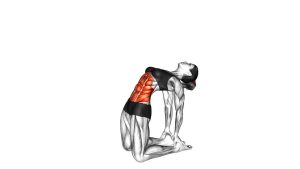
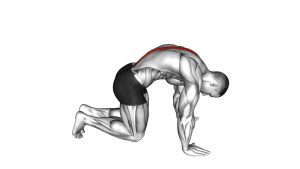
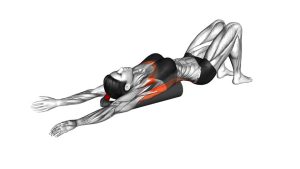
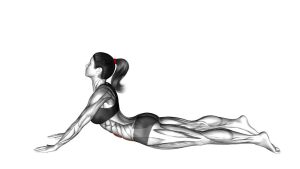
This exercise is best used as a low-impact back mobility movement. Because the ball supports the body, it allows the spine to move through a comfortable range while the arms and legs help maintain balance. In addition, the slow forward-and-back motion encourages control rather than speed. You should feel a gentle stretch through the front body and back extension area, not sharp pressure in the lower back.
Quick Overview
| Body Part | Back |
|---|---|
| Primary Muscle | Spinal erectors / back extensors |
| Secondary Muscle | Core stabilizers, shoulders, lats, glutes, and hip stabilizers |
| Equipment | Stability ball / exercise ball |
| Difficulty | Beginner-friendly, with balance and control required |
Sets & Reps (By Goal)
- General mobility: 2–3 sets × 6–10 slow reps, resting 30–60 seconds between sets.
- Warm-up for back training: 1–2 sets × 6–8 controlled reps before rows, back extensions, or posterior-chain work.
- Posture and desk-break reset: 1–2 sets × 5–8 easy reps, using a short comfortable range.
- Flexibility focus: 2–3 sets × 5–8 reps with a 2–4 second pause in the stretched position.
Progression rule: First improve control and breathing. Then, if the movement remains pain-free, slightly increase the rollout distance or hold time.
Setup / Starting Position
- Place the stability ball under your torso: Start with the ball supporting your abdomen or lower torso area.
- Set your hands on the floor: Position your palms slightly forward of your shoulders so you can control the rollout.
- Extend your legs behind you: Keep your feet on the floor to create a stable base.
- Find a neutral start: Keep your body supported by the ball, with your head following the line of your spine.
- Brace lightly: Engage your core just enough to stay balanced without making the movement stiff.
Tip: Choose a ball size that lets your hands reach the floor comfortably. If the ball is too large, the setup may feel unstable.
Execution (Step-by-Step)
- Begin in the supported position: Keep the ball under your torso, hands planted, and legs extended behind you.
- Roll forward slowly: Shift your body forward over the ball while your arms reach farther ahead.
- Allow gentle spinal extension: As the ball moves under the hips or upper thighs, let the torso lengthen into a comfortable stretch.
- Pause briefly: Hold the stretched position for 1–4 seconds while keeping the movement calm and controlled.
- Return with control: Use your hands and body control to roll back until the ball supports the torso again.
- Reset before the next rep: Avoid rushing. Each repetition should begin from a stable, supported position.
Pro Tips & Common Mistakes
- Move slowly: Since this is a stretch-focused drill, momentum reduces control and can make the spine feel compressed.
- Keep your hands active: Your hands guide the rollout and help you return safely.
- Do not force the arch: Let the ball support the extension instead of pushing aggressively into range.
- Avoid bouncing: A brief controlled pause is useful, but repeated bouncing can irritate the back.
- Keep the neck relaxed: Let the head follow the spine without craning upward or dropping heavily.
- Use a comfortable ball position: If the ball shifts too far too quickly, shorten the rollout and rebuild control.
- Breathe through the stretch: Exhale gently as you move into the extended position, then inhale as you return.
FAQ
What is the Spinal Stretch on Stability Ball good for?
It is useful for gentle back mobility, spinal extension practice, posture-focused stretching, and warm-up preparation. Additionally, the ball gives support, which makes the movement easier to control than unsupported floor-based extension drills.
Should I feel this exercise in my lower back?
You may feel a mild stretch or activation around the back extensors. However, you should not feel sharp pinching, painful compression, or radiating symptoms. If that happens, reduce the range or stop the exercise.
Is this a strength exercise or a stretch?
Visually, this movement is more of a mobility and stretch drill. Although the shoulders, core, and hips help stabilize the body, the main goal is controlled spinal lengthening and extension.
How far should I roll forward?
Roll only as far as you can control without pain or loss of balance. For beginners, a shorter rollout is better because it keeps the stretch smooth and reduces unnecessary lower-back pressure.
Can beginners do this exercise?
Yes, beginners can use it if they move slowly and choose a comfortable range. However, because the ball can roll, beginners should start with small movements and keep the hands firmly on the floor.
Who should avoid this movement?
People with acute back pain, recent spinal injury, severe balance limitations, or symptoms such as numbness or tingling should avoid forcing this exercise and seek professional guidance when needed.
Recommended Equipment (Optional)
- Stability Ball / Exercise Ball — the main tool for supporting the torso during the spinal stretch.
- Anti-Burst Exercise Ball — a safer option for controlled mobility drills and bodyweight support.
- Exercise Mat — adds grip and comfort for the hands, knees, or feet during setup.
- Yoga Blocks — useful for modifying hand height if reaching the floor feels uncomfortable.
- Mobility Stretching Strap — helpful for pairing this drill with additional gentle mobility work.
Tip: Select a stability ball that matches your height and allows stable contact with the floor. A controlled setup is more important than using a larger ball.