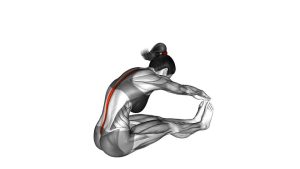
Dynamic Back Stretch: Proper Form, Sets, Benefits, Tips & FAQ
Learn how to do the Dynamic Back Stretch with proper form to improve spinal mobility, loosen the lats and lower back, and reduce stiffness. Includes setup, execution, sets by goal, common mistakes, FAQ, and recommended equipment.
Dynamic Back Stretch
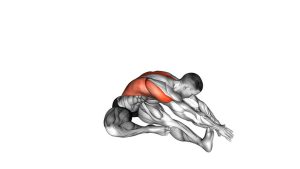
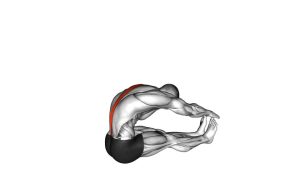
This exercise works best when you stay relaxed and move with intention. You should feel a gradual stretch through the upper back, lats, and lower back as you sit back and reach forward. On the return, think about regaining a tall, neutral spine instead of snapping out of the stretch. The goal is not to hit the deepest possible position, but to improve mobility with clean, repeatable reps.
Quick Overview
| Body Part | Back |
|---|---|
| Primary Muscle | Latissimus dorsi, erector spinae |
| Secondary Muscle | Rhomboids, mid/lower trapezius, rear shoulder stabilizers, deep core stabilizers |
| Equipment | None (optional: exercise mat, knee pad, yoga block, stretching strap) |
| Difficulty | Beginner (easy to learn and ideal for warm-ups, recovery, and mobility sessions) |
Sets & Reps (By Goal)
- Warm-up before training: 1–2 sets × 8–12 reps with slow, controlled movement
- Daily mobility work: 2–3 sets × 10–15 reps with a brief pause in the stretched position
- Recovery / stiffness relief: 2–4 sets × 6–10 reps with 3–5 second holds
- Desk-break reset: 1–2 easy sets × 6–8 reps to reduce upper-back and lower-back tightness
Progression rule: Increase control, pause time, or total reps before adding extra complexity. Better movement quality beats bigger range every time.
Setup / Starting Position
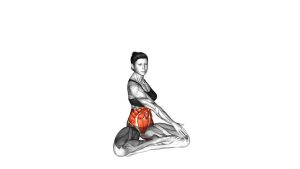
- Start on the floor: Get into a kneeling position with the knees under the hips or slightly wider for comfort.
- Reach the arms forward: Place both hands in front of you on the floor and extend through the fingertips.
- Set the torso: Keep the ribcage gently braced and the neck relaxed in line with the spine.
- Create a stable base: Let the tops of the feet or toes rest comfortably on the floor, depending on preference.
- Start tall and neutral: Before moving back, establish a long spine rather than collapsing into the shoulders.
Tip: If kneeling feels uncomfortable, place a folded mat or knee pad under the knees for extra cushioning.
Execution (Step-by-Step)
- Reach forward first: Keep both arms long and gently press the hands into the floor to create tension through the upper body.
- Shift the hips back: Sit the hips toward the heels while allowing the spine to move into a comfortable stretch.
- Lengthen through the back: Feel the stretch across the lats, mid-back, and lower back without forcing the range.
- Pause briefly: Hold the end position for 1–3 seconds while breathing steadily and keeping the shoulders relaxed.
- Return with control: Glide forward and bring the torso back toward neutral or slight extension without jerking.
- Repeat rhythmically: Continue flowing between the stretch and return position using a slow, smooth tempo.
Pro Tips & Common Mistakes
- Use the arms actively: Reaching through the hands helps lengthen the lats and makes the stretch more effective.
- Move from the hips too: Sitting the hips back creates a better overall back stretch than rounding only through the spine.
- Stay relaxed through the neck: Avoid lifting the chin too high or tucking excessively.
- Do not force depth: Stop at the range where you still feel in control and can breathe normally.
- Avoid rushing: Fast reps reduce the mobility benefit and make the movement feel sloppy.
- Do not shrug the shoulders: Keep space between the shoulders and ears as you reach forward.
- Use it strategically: This stretch pairs well with rowing, pulldowns, thoracic mobility drills, and recovery circuits.
FAQ
Where should I feel the Dynamic Back Stretch?
You should mainly feel it through the lats, mid-back, and lower back. Some people also feel a light stretch around the rear shoulders and along the sides of the torso. You should not feel sharp spinal pain.
Is this exercise good before a back workout?
Yes. It can work well as part of a warm-up because it helps reduce stiffness and improves the ability to move the spine and shoulders more freely. Keep the reps smooth and controlled rather than turning it into a passive hold.
Can beginners do this stretch safely?
In most cases, yes. It is beginner-friendly because the range is easy to adjust. Start small, move slowly, and stop well before discomfort becomes pain.
Should I hold the stretch or keep it moving?
This variation is best done dynamically, meaning you move in and out of the stretch with control. You can add a short pause at the end position, but the main goal is smooth mobility work rather than a long static hold.
What if my knees hurt in the kneeling position?
Place a mat, folded towel, or kneeling pad under the knees. Extra cushioning usually makes the movement more comfortable and lets you focus on the back stretch itself.
Recommended Equipment (Optional)
- Thick Exercise Mat — adds cushioning for knees, hands, and the lower body during floor-based mobility work
- Foam Roller — useful before or after stretching to help loosen tight back muscles and improve mobility prep
- Stretching Strap with Loops — helpful for adding extra flexibility work to a back and mobility routine
- Exercise Knee Pad — improves comfort in kneeling stretches, especially if you train on hard floors
- Yoga Blocks — useful for support, positioning, and modifying stretch depth if mobility is limited
Tip: Optional equipment should improve comfort and control. If a tool causes discomfort or pushes you into a range you cannot control, scale it back.