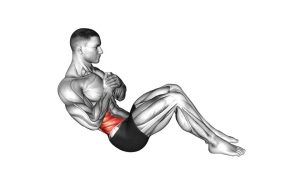
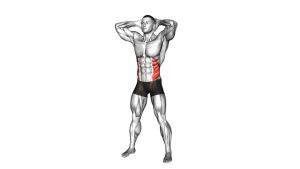
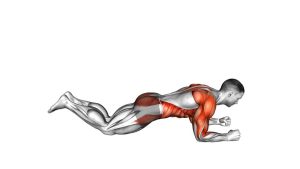
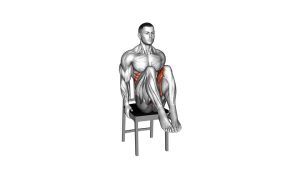
Spine Twist Exercise: Core Rotation Form, Benefits, Sets & Tips
Learn the Spine Twist exercise to improve core rotation, oblique control, spinal mobility, and posture with proper form, sets, tips, FAQs, and equipment.
Spine Twist
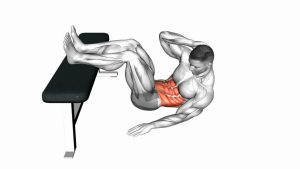
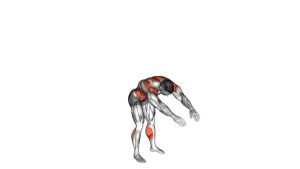
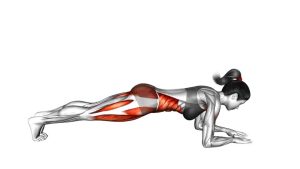
This exercise works best when the body stays long and organized. Sit tall, widen across the collarbones, and let the arms move with the torso rather than pulling the body into the twist. A clean Spine Twist feels controlled through the waist and ribcage, while the hips remain stable on the floor or mat.
The goal is not to force the biggest possible turn. Instead, aim for a smooth rotation that keeps the spine lifted, the shoulders level, and the breathing steady. When performed correctly, this drill can build better rotational awareness for Pilates, yoga, athletic movement, posture training, and general core conditioning.
Quick Overview
| Body Part | Core |
|---|---|
| Primary Muscle | Obliques |
| Secondary Muscle | Transverse abdominis, erector spinae, deep spinal rotators, hip stabilizers |
| Equipment | Exercise mat only; optional yoga block or towel for seated support |
| Difficulty | Beginner to Intermediate |
Sets & Reps (By Goal)
- Mobility and warm-up: 2–3 sets × 6–10 reps per side with a slow, smooth tempo.
- Core control: 3–4 sets × 8–12 reps per side, pausing briefly at the end of each rotation.
- Posture practice: 2–3 sets × 5–8 reps per side with extra focus on sitting tall.
- Pilates-style endurance: 2–4 rounds × 30–45 seconds, alternating sides with steady breathing.
- Beginner technique work: 1–2 sets × 5–6 reps per side using a smaller range of motion.
Progression rule: Increase control before increasing range. Once the spine stays tall and the pelvis remains quiet, add a longer pause or more repetitions.
Setup / Starting Position
- Sit on the mat: Extend both legs forward or keep the knees slightly bent if your hamstrings limit your upright posture.
- Stack the spine: Sit tall through the crown of the head and avoid rounding the lower back. A folded towel under the hips can help you stay upright.
- Open the arms: Reach both arms out to the sides around shoulder height, keeping the elbows soft and the shoulders relaxed.
- Anchor the pelvis: Keep both sitting bones heavy on the mat. The hips should not slide, tip, or rotate before the torso moves.
- Brace lightly: Draw the lower ribs down and gently engage the abdominals without holding your breath.
- Set your gaze: Keep the head aligned with the chest. The eyes can follow the rotation, but the head should not whip ahead of the body.
Setup tip: If sitting tall is difficult, bend the knees slightly or sit on a yoga block. A better starting position creates a cleaner rotation.
Execution (Step-by-Step)
- Begin tall: Lengthen through the spine, widen the chest, and keep both shoulders level.
- Rotate from the torso: Turn the ribcage to one side while the arms travel with the shoulders. The arms should guide the shape, not create momentum.
- Keep the hips grounded: Maintain even pressure through both sitting bones as the waist rotates.
- Pause with control: Stop at a comfortable end range and hold briefly without bouncing.
- Return to center: Slowly unwind the spine until the chest faces forward again.
- Repeat to the other side: Rotate in the opposite direction with the same speed and posture.
- Continue alternating: Keep each rep smooth, quiet, and controlled from start to finish.
Pro Tips & Common Mistakes
Pro Tips
- Think “grow before you rotate”: Lift through the spine first, then twist from that tall position.
- Use the ribs as the driver: Let the ribcage turn around the spine instead of pulling with the hands.
- Move evenly both ways: Match the range and tempo from side to side to improve balanced control.
- Breathe into the twist: Exhale as you rotate, then inhale as you return to center.
- Keep the neck relaxed: Allow the head to follow naturally, but avoid craning or snapping the neck.
- Use a smaller range when needed: A short, clean rotation is better than a large twist with poor posture.
Common Mistakes
- Swinging the arms: When the arms lead aggressively, the obliques lose control of the movement.
- Slouching through the lower back: A rounded spine usually reduces quality and shifts stress away from the target area.
- Lifting one hip: If a sitting bone comes off the mat, the pelvis is compensating for the twist.
- Rotating too fast: Speed often hides poor control. Slow reps reveal whether the torso is truly stable.
- Forcing end range: Pushing past a comfortable twist can create tension in the spine or hips.
- Holding the breath: Breath holding increases stiffness and makes the movement less fluid.
FAQ
What muscles does the Spine Twist work?
The Spine Twist mainly works the obliques, which help rotate and stabilize the trunk. It also trains the transverse abdominis, deep spinal rotators, erector spinae, and small postural muscles that help keep the spine tall during rotation.
Is the Spine Twist good for beginners?
Yes. Beginners can perform the Spine Twist with a small range of motion and slow tempo. The key is to sit tall, keep the hips still, and avoid using momentum. If the legs feel tight, bending the knees or sitting on a folded towel can make the position easier.
Should I feel the Spine Twist in my lower back?
You may feel light muscular work around the trunk, but the exercise should not create sharp lower-back pain. Most of the rotation should feel controlled through the waist, ribs, and upper-to-mid back. Reduce range if the lower back feels compressed.
Can the Spine Twist improve posture?
It can support better posture by training spinal awareness, upright sitting control, and rotational mobility. For stronger results, combine it with upper-back strengthening, hip mobility, and core stability exercises.
How far should I rotate during the Spine Twist?
Rotate only as far as you can while keeping both hips grounded and the spine lifted. A controlled half-range twist is more useful than a forced end-range twist with slouching, hip shifting, or shoulder tension.
Can I do the Spine Twist every day?
Many people can use it daily as a light mobility or posture drill. Keep the volume moderate, avoid forcing the range, and stop if the movement causes discomfort. For strength-focused core sessions, 2–4 times per week is usually enough.
Recommended Equipment
- Exercise Mat — provides cushioning and grip for seated core mobility work.
- Pilates Mat — thicker support for controlled Pilates-style floor exercises.
- Yoga Block — helps elevate the hips if sitting tall is difficult.
- Stretching Strap — useful for hamstring mobility work before seated exercises.
- Foam Roller — supports thoracic mobility warm-ups before rotational core drills.
Equipment note: The Spine Twist does not require heavy gear. A comfortable mat and optional seated support are usually enough to improve positioning and control.