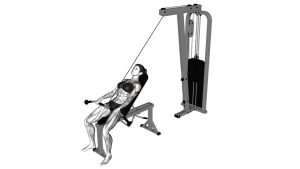
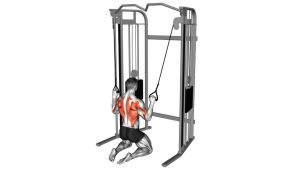
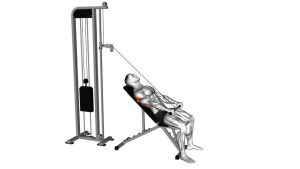
Cable Kneeling One-Arm Lat Pulldown: Form, Sets, Tips & FAQ
Learn how to perform the Cable Kneeling One-Arm Lat Pulldown with proper form. Discover muscle focus, setup, step-by-step execution, sets by goal, common mistakes, FAQs, and recommended equipment.
Cable Kneeling One-Arm Lat Pulldown
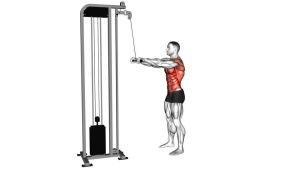
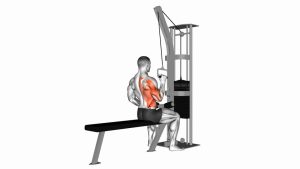
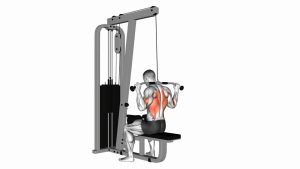
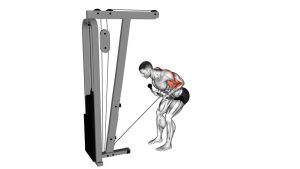
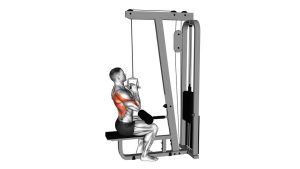
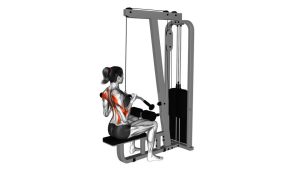
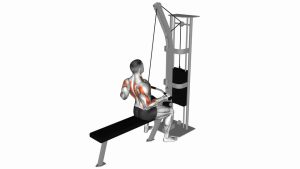
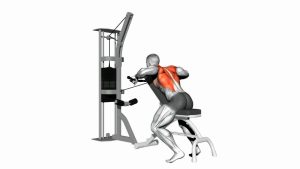
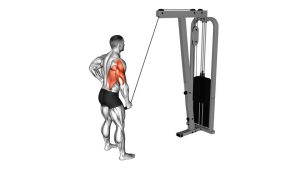
This exercise works best when the movement stays smooth and controlled from start to finish. At the top, allow the lat to lengthen without losing your brace. As you pull, think about driving the elbow down and slightly back while keeping the shoulder away from the ear. The goal is to feel the working lat do the job, not to turn the rep into a biceps curl or a full-body lean.
Quick Overview
| Body Part | Back |
|---|---|
| Primary Muscle | Latissimus dorsi |
| Secondary Muscle | Teres major, biceps, rear delts, rhomboids, lower traps, core stabilizers |
| Equipment | Cable machine with high pulley and single D-handle attachment |
| Difficulty | Beginner to Intermediate |
Sets & Reps (By Goal)
- Muscle growth: 3–4 sets × 8–12 reps per side
- Technique and lat activation: 2–4 sets × 10–15 reps per side with strict tempo
- Strength emphasis: 3–5 sets × 6–8 reps per side
- Finisher / pump work: 2–3 sets × 12–15 reps per side with short rest
Progression rule: Add reps first, then increase the load once you can keep the same range of motion, controlled eccentric, and stable kneeling posture on both sides.
Setup / Starting Position
- Attach a single handle to a high pulley on a cable machine.
- Kneel facing the machine far enough back to create tension at the top without the stack slamming down.
- Grip the handle with one hand and fully extend the arm overhead so the working lat is stretched.
- Brace your core and keep your torso tall with only a slight natural lean if needed.
- Set the shoulder down away from the ear before you begin the pull.
- Keep the non-working arm relaxed at your side or lightly on your thigh for balance.
Tip: A small pad under the knees can make the position more comfortable and help you focus on clean reps.
Execution (Step-by-Step)
- Start from a full stretch: Reach the working arm overhead and let the lat lengthen while staying braced.
- Initiate with the shoulder: Pull the shoulder blade down first rather than bending the elbow immediately.
- Drive the elbow down: Bring the elbow toward your side in a smooth arc while keeping the wrist neutral.
- Finish near the upper chest or side of the ribcage: Squeeze the lat without shrugging or over-twisting.
- Pause briefly: Hold the contracted position for a moment to reinforce mind-muscle connection.
- Control the return: Slowly extend the arm back overhead and feel the lat stretch again before the next rep.
Pro Tips & Common Mistakes
- Think “elbow to hip”: This cue usually improves lat recruitment better than thinking about the hand.
- Don’t shrug: Keep the shoulder depressed so the upper traps do not take over.
- Use a full stretch: The top position is valuable for lat development, so do not cut it short.
- Avoid torso cheating: Excessive leaning back turns the exercise into a momentum-driven row.
- Control the eccentric: The lowering phase should be deliberate, not a fast release.
- Match both sides: Start with the weaker side and keep volume and rep quality even.
- Keep the ribcage stacked: Flaring the ribs too much often shifts tension away from the target area.
FAQ
What muscles does the Cable Kneeling One-Arm Lat Pulldown work?
The main target is the latissimus dorsi. It also involves the teres major, biceps, rear delts, and several upper-back and core stabilizers.
Why do this exercise kneeling instead of standing?
The kneeling position helps reduce lower-body cheating and makes it easier to focus on strict lat-driven movement. Many lifters also find it easier to maintain a cleaner cable angle from this setup.
Should I pull the handle to my chest or lower?
In most cases, bringing the elbow down until the handle reaches around upper-chest to side-rib level works well. The best endpoint is the one that lets you fully contract the lat without shrugging or twisting.
Is this better than a regular lat pulldown?
It is not automatically better, but it can be better for unilateral control, lat feel, and correcting imbalances. It also reduces the tendency to let the stronger side dominate.
How heavy should I go?
Use a weight that allows a full overhead stretch, a clear contraction, and a slow return. If the rep turns into body English, the load is too heavy for the purpose of the movement.
Recommended Equipment (Optional)
- Single D-Handle Cable Attachment — the core attachment for comfortable one-arm cable pulling
- Rotating Single-Grip Cable Handle — useful if you prefer a handle that moves more naturally through the pull
- Exercise Kneeling Pad — adds knee comfort and helps you stay stable during longer sets
- Lifting Straps — helpful if grip fatigue limits your back work before your lats are done
- Resistance Bands Set — good for warm-ups, activation drills, and extra back volume outside the cable station
Choose tools that improve setup quality and control rather than encouraging heavier, sloppier reps.