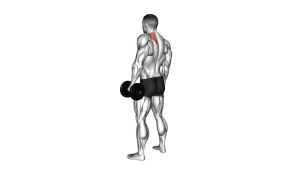
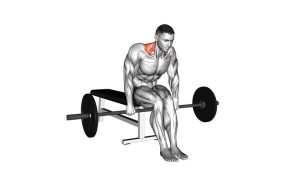
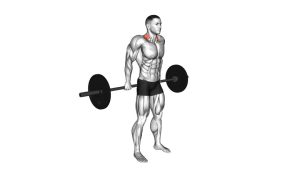
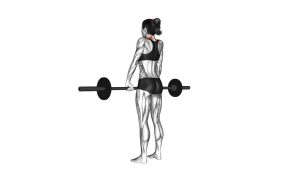
Barbell Wide Shrug: Proper Form, Sets, Muscles Worked & FAQ
Learn how to perform the Barbell Wide Shrug with proper form to build bigger upper traps and upper-back strength. Includes setup, execution, sets by goal, common mistakes, FAQ, and recommended equipment.
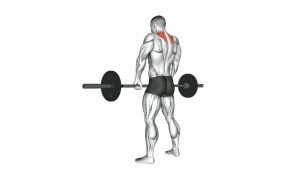
Barbell Wide Shrug
The Barbell Wide Shrug works best when you treat it as a strict upper-trap movement rather than a momentum lift. The range of motion is naturally short, so clean reps matter more than chasing exaggerated movement. You should feel the upper traps doing most of the work, while the forearms and upper back help stabilize the bar. Avoid turning it into a row, leaning back excessively, or rolling the shoulders forward and backward.
Quick Overview
| Body Part | Upper Back |
|---|---|
| Primary Muscle | Upper trapezius |
| Secondary Muscle | Middle trapezius, levator scapulae, forearms, grip stabilizers |
| Equipment | Barbell and weight plates |
| Difficulty | Beginner to Intermediate |
Sets & Reps (By Goal)
- Muscle growth: 3–5 sets × 10–15 reps with a strong squeeze at the top and 60–90 seconds of rest
- Strength emphasis: 4–5 sets × 6–10 reps with heavier weight and 90–120 seconds of rest
- Technique / trap activation: 2–4 sets × 12–20 reps using strict tempo and moderate weight
- Finisher work: 2–3 sets × 15–20 reps with controlled lowering and no momentum
Progression rule: First improve control, top-end squeeze, and tempo. Then add small amounts of weight while keeping the shoulders moving straight up and down.
Setup / Starting Position
- Load the barbell: Choose a weight you can control without bouncing or body English.
- Take a wide overhand grip: Place your hands wider than shoulder width in a comfortable, balanced position.
- Stand tall: Keep your chest up, core braced, and knees softly unlocked.
- Let the bar hang naturally: Hold it in front of the thighs with the arms fully extended.
- Set the shoulders low: Start from a neutral position before each rep instead of staying partially shrugged.
Tip: The wider grip should still feel natural. If your shoulders or wrists feel forced, bring the hands in slightly.
Execution (Step-by-Step)
- Brace and stay tall: Keep the torso steady and the head in a neutral position.
- Shrug the shoulders upward: Lift them straight toward the ears without bending the elbows.
- Pause at the top: Squeeze the traps hard for 1–2 seconds.
- Lower under control: Bring the shoulders back down slowly instead of dropping the weight.
- Repeat with clean tempo: Each rep should look smooth, controlled, and nearly identical.
Pro Tips & Common Mistakes
- Shrug up, not around: Shoulder rolling is unnecessary and usually makes the rep less efficient.
- Keep the arms straight: Once the elbows bend, the movement starts drifting toward an upright-row pattern.
- Use a short pause at the top: This improves trap recruitment and prevents mindless bouncing.
- Control the eccentric: The lowering phase helps build more tension and better technique.
- Do not overextend the neck: Keep your head neutral instead of pushing the chin forward.
- Watch your grip: Heavy shrug sets are often limited by the hands before the traps fatigue.
- Don’t overload too fast: Huge weights with sloppy reps usually shift stress away from the target muscles.
FAQ
What muscles does the Barbell Wide Shrug work most?
The main target is the upper trapezius. The forearms and other upper-back stabilizers help hold the bar and maintain position, but the shrugging motion itself is driven mostly by the traps.
Why use a wide grip instead of a normal shrug grip?
A wider grip changes the arm position and can make the exercise feel different across the upper traps and upper back. Many lifters use it for variety and to find a trap path that feels more natural for their shoulders.
Should I go very heavy on shrugs?
You can go moderately heavy, but only if you can keep the reps strict. Trap growth usually responds well to controlled volume, pauses, and smooth execution rather than uncontrolled heaving.
Should I roll my shoulders during shrugs?
No. A clean shrug is mainly an up-and-down shoulder elevation movement. Rolling often adds unnecessary motion without improving trap stimulation.
Can beginners use the Barbell Wide Shrug?
Yes. Beginners can use it effectively as long as the load stays manageable and the reps remain strict. It is often easier to learn with lighter weight and a deliberate pause at the top.
Recommended Equipment
- Lifting Straps — helpful when grip fatigue limits heavy shrug sets before the traps are fully challenged
- Olympic Barbell Collars — keeps plates locked in place so the bar stays secure during heavier work
- Leather Weightlifting Belt — useful for lifters who want more trunk support and bracing awareness on heavier sets
- Liquid Chalk — improves hand traction and helps reduce bar slippage during high-volume shrug training
- Wrist Straps / Wraps Combo — a practical option for lifters who want extra wrist comfort and grip support in pulling sessions
Tip: Pick tools that improve control and consistency, not ones that encourage sloppy overload. Better shrugs come from better reps.