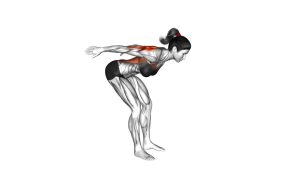
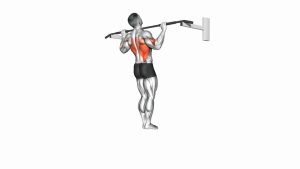
Ring High Row: Proper Form, Muscles Worked, Sets, Tips & FAQ
Learn how to do the Ring High Row with proper form to build upper-back strength, rear delts, and pulling control. Includes setup, step-by-step execution, sets by goal, mistakes, FAQs, and recommended equipment.
Ring High Row
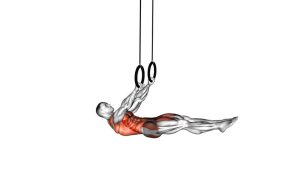
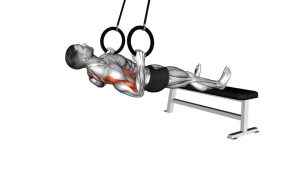
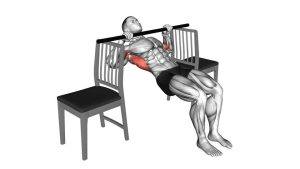
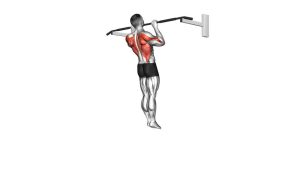
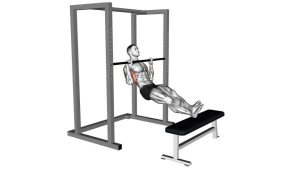
This exercise works best when you keep your body rigid, pull with control, and finish each rep by squeezing the shoulder blades together without shrugging. The movement should feel smooth and deliberate, not jerky or momentum-driven. Adjusting your body angle changes the difficulty, which makes the Ring High Row easy to scale for many strength levels.
Quick Overview
| Body Part | Upper Back |
|---|---|
| Primary Muscle | Rhomboids, middle trapezius, rear deltoids |
| Secondary Muscle | Latissimus dorsi, biceps, forearms, core stabilizers |
| Equipment | Gymnastic rings or suspension straps anchored securely overhead |
| Difficulty | Beginner to intermediate, depending on body angle and foot position |
Sets & Reps (By Goal)
- Muscle building: 3–4 sets × 8–15 reps with 60–90 seconds rest
- Technique and scapular control: 2–4 sets × 6–10 slow reps with a 1–2 second squeeze at the top
- Strength emphasis: 4–5 sets × 5–8 reps using a more challenging body angle and longer rest
- Warm-up / posture work: 2–3 sets × 10–15 clean reps at an easier incline
Progression rule: First improve control, top-end squeeze, and total reps. Then make the exercise harder by walking the feet farther forward, lowering the body angle, or pausing longer at peak contraction.
Setup / Starting Position
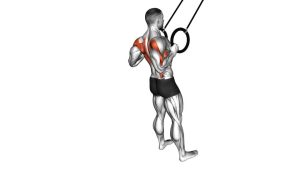
- Set the rings: Adjust the rings to about waist-to-chest height, depending on your strength level and available space.
- Take a neutral grip: Hold the rings with palms facing each other and wrists straight.
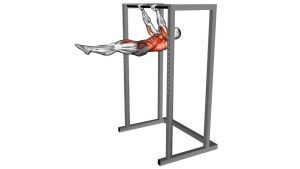
- Walk your feet forward: Lean back until your arms are fully extended and your body is at the angle you want.
- Brace your body: Keep a straight line from head to heels with glutes and core engaged.
- Set the shoulders: Let the shoulder blades move naturally, but avoid collapsing through the chest.
Tip: A more upright body position makes the movement easier, while a more horizontal position increases resistance.
Execution (Step-by-Step)
- Start from a dead hang position: Arms straight, chest open, body tight, and heels planted.
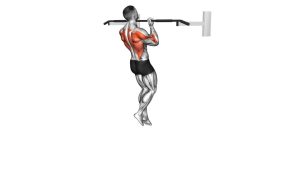
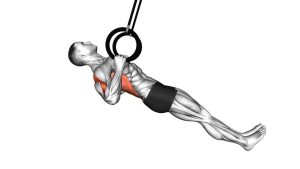
- Lead with the elbows: Pull your elbows back and slightly out as you draw the rings toward your upper chest.
- Raise the chest to the rings: Think about pulling the sternum upward rather than yanking with the hands.
- Squeeze at the top: Briefly pause when your upper chest reaches ring height and your shoulder blades are fully retracted.
- Lower under control: Extend the arms slowly and return to the start without letting the hips drop or shoulders collapse.
- Repeat smoothly: Keep every rep controlled, with no swinging, kicking, or rushing.
Pro Tips & Common Mistakes
- Keep your body rigid: Avoid bending at the hips or turning the movement into a partial body swing.
- Pull high, not low: Bringing the rings toward the upper chest helps emphasize upper back and rear delts.
- Do not shrug at the top: Keep the neck long and shoulders away from the ears.
- Control the lowering phase: The eccentric portion builds strength and teaches better shoulder control.
- Avoid flaring too aggressively: A natural elbow path is fine, but excessive flare can irritate the shoulders.
- Adjust difficulty intelligently: Step back to make it easier, or walk the feet forward to make it harder.
- Use full-body tension: Tight glutes and abs help keep the line clean and transfer force efficiently.
FAQ
What muscles does the Ring High Row work the most?
It mainly targets the upper back, especially the rhomboids, middle traps, and rear delts. The biceps, forearms, lats, and core also assist.
Is the Ring High Row better than a regular ring row for upper back?
For many lifters, yes. Pulling higher toward the upper chest with a slightly wider elbow path usually shifts more stress toward the upper back and rear shoulders compared with a lower row that often feels more lat-dominant.
How do I make Ring High Rows harder?
Walk your feet farther forward, lower your body angle closer to horizontal, add a pause at the top, or slow the lowering phase. You can also elevate the feet once your basic form is solid.
Can beginners do Ring High Rows?
Yes. Rings are very scalable. Beginners can use a more upright angle, reduce range slightly if needed, and focus on smooth, controlled reps before making the movement harder.
What is the biggest mistake in this exercise?
The most common issue is using momentum instead of muscular control. Sagging hips, shrugging shoulders, and rushing the lowering phase all reduce upper-back tension and make the exercise less effective.
Recommended Equipment (Optional)
- Wooden Gymnastics Rings with Adjustable Straps — the main tool for ring high rows, bodyweight pulling, and scalable upper-body training
- Liquid Chalk — improves grip security when your hands get sweaty during ring work
- Pull-Up Assistance Bands — useful for assisted pulling work, regressions, and extra upper-back training
- Heavy-Duty Door Anchor — helpful for safer home setups when using straps or ring-style suspension equipment
- Suspension Trainer — a convenient alternative if you want a similar row variation without full gymnastic rings
Tip: Prioritize a secure anchor point and enough space to row safely before increasing difficulty or volume.