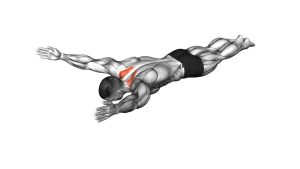
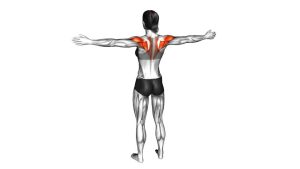
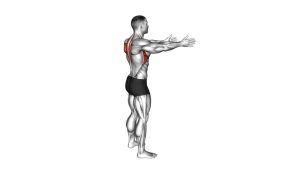
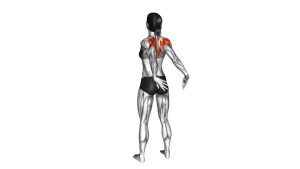
Chest Pull Back: Proper Form, Benefits, Sets, Tips & FAQ
Learn how to perform the Chest Pull Back with proper form to improve posture, activate the upper back, and open the chest. Includes setup, execution steps, sets by goal, common mistakes, FAQs, and recommended equipment.
Chest Pull Back
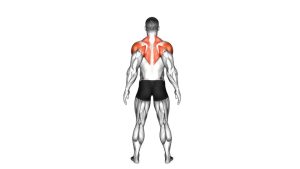
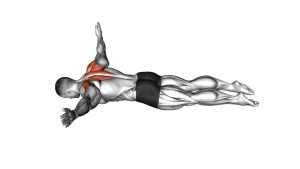
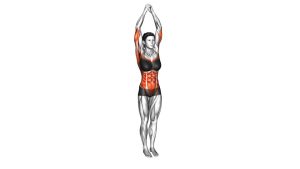
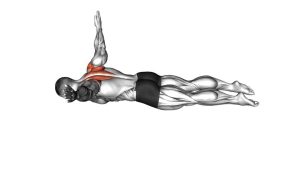
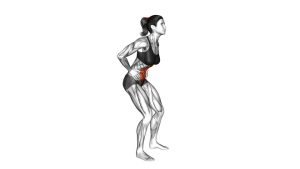
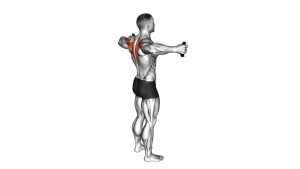
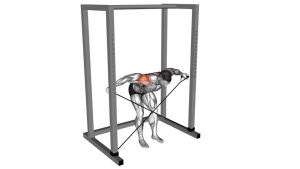
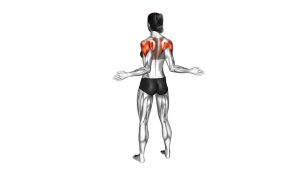
This exercise is most effective when performed with control rather than intensity. The goal is to gently pull the shoulders back, open the chest, and activate the muscles between the shoulder blades without shrugging or arching the lower back. It works well as a warm-up drill, posture reset, or low-intensity upper-back activation exercise.
Quick Overview
| Body Part | Upper Back |
|---|---|
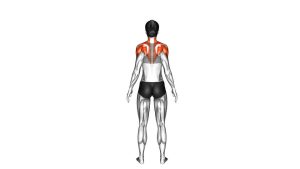
| Primary Muscle | Rhomboids and middle trapezius |
| Secondary Muscle | Rear deltoids, lower trapezius, and postural stabilizers |
| Equipment | None |
| Difficulty | Beginner |
Sets & Reps (By Goal)
- Posture correction / daily movement prep: 2–3 sets × 10–15 reps with slow, controlled tempo
- Upper-back activation before training: 2–4 sets × 8–12 reps with a 1–2 second squeeze at the back
- Mobility and movement awareness: 2–3 sets × 12–15 reps with light effort and smooth breathing
- Desk break reset: 1–2 sets × 8–10 reps performed gently throughout the day
Progression tip: Increase quality before quantity. Add more control, a better squeeze, or a slightly longer pause before increasing total reps.
Setup / Starting Position
- Stand tall: Place your feet about hip-width apart and keep your weight balanced evenly.
- Set your spine: Keep the torso upright with the ribs stacked over the hips and the lower back neutral.
- Relax the shoulders: Let the arms hang naturally and avoid tension in the neck.
- Head position: Keep your chin neutral and your gaze forward.
- Prepare to move from the shoulder blades: Think about pulling the chest open by guiding the shoulders back and slightly down.
A good starting cue is to stay tall without puffing the ribs up or leaning backward.
Execution (Step-by-Step)
- Begin in a relaxed standing position: Keep the body upright and the neck long.
- Pull the chest open: Gently draw the shoulders backward as the chest opens and lifts naturally.
- Squeeze the shoulder blades together: Focus on the muscles between the shoulder blades rather than using the arms.
- Keep the shoulders down: Do not shrug upward toward the ears.
- Pause briefly: Hold the fully retracted position for 1–2 seconds while breathing normally.
- Return with control: Slowly ease the shoulders back to the starting position without collapsing forward.
Pro Tips & Common Mistakes
- Lead with the chest opening, not the lower back: Avoid leaning backward just to create more movement.
- Keep the motion small and clean: A moderate range with good control is better than forcing a bigger squeeze.
- Depress the shoulders slightly: Think “back and down,” not just “back.”
- Don’t crane the neck forward: Keep the head aligned over the torso.
- Avoid shrugging: The upper traps should not dominate the movement.
- Use it as a primer: This drill pairs well with rows, face pulls, band pull-aparts, and chest mobility work.
FAQ
What muscles does the Chest Pull Back work?
It mainly targets the rhomboids and middle trapezius, with assistance from the rear delts, lower traps, and other postural stabilizers that help position the shoulder blades.
Is the Chest Pull Back a chest exercise or a back exercise?
It is primarily an upper-back and posture exercise. The chest opens during the movement, but the main muscular work comes from the muscles that retract and stabilize the shoulder blades.
Can beginners do this exercise?
Yes. It is beginner-friendly because it uses bodyweight only and focuses on controlled movement rather than heavy resistance. It is especially useful for people with rounded shoulders or poor desk posture.
How often can I do Chest Pull Backs?
Most people can perform them several times per week, and some can even use them daily as part of a warm-up or posture-reset routine, as long as the movement remains comfortable and pain-free.
Should I squeeze as hard as possible at the back?
No. Use a strong but controlled squeeze. Overdoing it can create neck tension, rib flare, or lower-back compensation. Aim for quality muscle engagement instead of maximum force.
Recommended Equipment (Optional)
- Resistance Bands Set — useful for pairing this drill with pull-aparts, rows, and shoulder activation work
- Posture Corrector Brace — can provide light feedback for posture awareness during daily activities
- Foam Roller — helpful for thoracic mobility work that complements chest-opening and upper-back exercises
- Massage Peanut Ball — useful for targeting tight muscles around the upper back and shoulder blade area
- Yoga Mat — provides a comfortable surface for pairing this drill with floor-based posture and mobility exercises
These tools are optional, but they can help support posture work, mobility practice, and upper-back activation routines.