Ring Pull-Up: Proper Form, Muscles Worked, Sets, Tips & FAQ
Learn how to perform the Ring Pull-Up with proper form to build back strength, scapular control, and upper-body stability. Includes setup, execution, sets by goal, mistakes, FAQs, and recommended equipment.
Ring Pull-Up
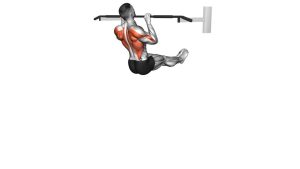
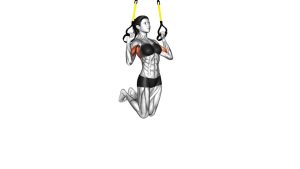
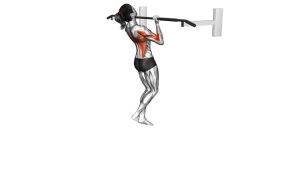
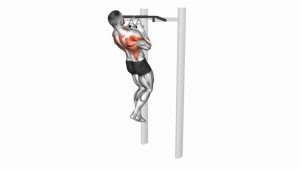
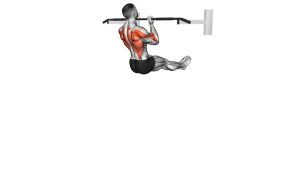
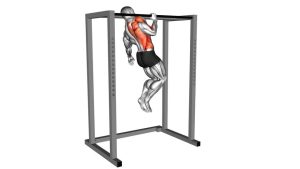
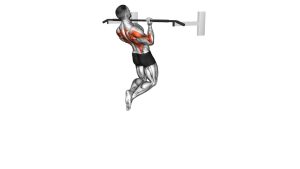
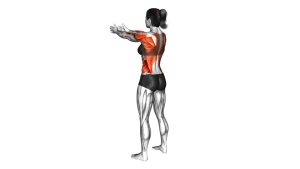
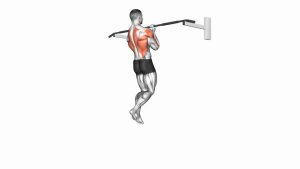
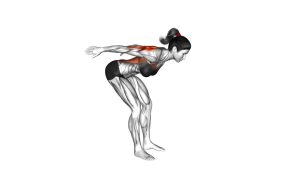
In the video, the movement is performed with a controlled vertical pull from a dead hang into a strong top position, with visible scapular depression and retraction as the body rises. The back view makes it easier to see how the shoulder blades move, how the elbows travel down and back, and how the rings allow a more natural path for the wrists and shoulders. This makes the exercise excellent for developing both strength and clean pulling mechanics.
Quick Overview
| Body Part | Back |
|---|---|
| Primary Muscle | Latissimus dorsi |
| Secondary Muscle | Rhomboids, middle traps, lower traps, rear delts, biceps, forearms, and core stabilizers |
| Equipment | Gymnastic rings or suspension rings attached to a secure overhead anchor |
| Difficulty | Intermediate to advanced, depending on bodyweight strength and ring control |
Sets & Reps (By Goal)
- Strength: 4-5 sets × 3-6 reps, 2-3 minutes rest
- Muscle growth: 3-4 sets × 6-10 reps, 60-90 seconds rest
- Skill and control: 3-4 sets × 4-8 clean reps with a slow lowering phase
- Bodyweight endurance: 2-3 sets × 8-15 reps, stopping before form breaks down
Progression rule: First improve rep quality, control, and full range of motion. Then add reps, slower eccentrics, pauses at the top, or eventually extra load with a dip belt or weighted vest.
Setup / Starting Position
- Set the rings: Hang the rings from a sturdy anchor so they are even and spaced roughly shoulder-width apart.
- Take your grip: Grab the rings firmly with a neutral grip and let the body hang tall beneath them.
- Start in a dead hang: Arms fully extended, core braced, legs still, and shoulders controlled rather than loose and collapsed.
- Organize the shoulders: Think about lightly pulling the shoulders down away from the ears before the full pull begins.
- Keep the body tight: Squeeze the glutes, brace the abs, and avoid excessive swinging or knee kicking.
Tip: Rings should move naturally, but your torso should stay as quiet as possible. The more stable your body is, the better your back can do the work.
Execution (Step-by-Step)
- Initiate with the scapula: Start by depressing and slightly retracting the shoulder blades instead of yanking with the arms first.
- Drive the elbows down: Pull your elbows toward your ribs as your chest rises toward the rings.
- Let the rings rotate naturally: Allow your hands and wrists to turn into the most comfortable path during the pull.
- Reach the top with control: Bring your chin to ring height or slightly above while squeezing the upper back.
- Pause briefly: Hold the top for a short moment to reinforce clean scapular retraction and back engagement.
- Lower under control: Descend slowly until the arms are fully extended again without dropping or losing shoulder position.
- Reset and repeat: Return to a controlled dead hang and begin the next rep without swinging into it.
Pro Tips & Common Mistakes
- Lead with the chest, not the chin: Reaching the chin first often turns the rep into a strained neck movement.
- Keep the ribs down: Avoid flaring the ribcage excessively just to fake a bigger top position.
- Do not rush the bottom: The lowering phase is where a lot of strength and control are built.
- Use full extension: Short reps reduce training effect and often hide weak bottom-range strength.
- Avoid swinging: Kipping or leg drive takes tension away from the lats and upper back.
- Let the rings move naturally: Do not force a rigid hand path like a straight bar pull-up.
- Stay out of the shrug: Excessive upper-trap dominance can make the movement feel cramped and unstable.
- Own the top position: A brief squeeze at the top improves mind-muscle connection and reinforces better mechanics.
FAQ
Are ring pull-ups harder than regular pull-ups?
Yes, for most people they are. The freely moving rings add instability, which increases the demand on your grip, shoulders, and scapular stabilizers. That extra control requirement often makes the exercise feel harder even if the pulling pattern is similar.
What muscles do ring pull-ups work the most?
The main target is the latissimus dorsi, but the exercise also heavily involves the rhomboids, middle and lower traps, rear delts, biceps, forearms, and deep core stabilizers.
Should I use a neutral grip the whole time?
Start from a neutral grip and allow a natural amount of rotation as you pull. One big advantage of rings is that they let your wrists and shoulders find a more comfortable path than a fixed straight bar.
How can beginners work up to ring pull-ups?
Start with ring rows, band-assisted ring pull-ups, eccentric-only reps, and scapular pull-ups. Build strength in the full range gradually before chasing high-rep bodyweight sets.
Can ring pull-ups help improve shoulder health?
They can support better shoulder mechanics because the rings move freely and encourage smoother joint positioning. That said, they still require control and strength, so poor form or too much volume can still irritate the shoulders.
Recommended Equipment
- Wooden Gymnastic Rings — the main tool for ring pull-ups, with a comfortable grip and excellent durability
- Ring Straps with Adjustable Buckles — makes setup fast and helps you keep the rings even and secure
- Pull-Up Assistance Bands — useful for assisted reps, volume work, and gradual strength progression
- Liquid Chalk — improves grip security on the rings, especially during higher-rep or sweaty sessions
- Weighted Dip Belt — ideal for advanced lifters who want to progressively overload strong ring pull-ups
Tip: Prioritize a secure anchor and high-quality straps before anything else. Stability and safety matter more than adding harder progressions too early.