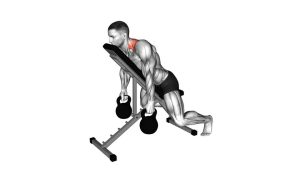
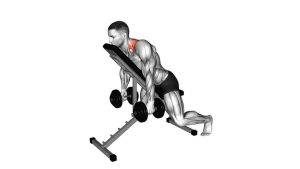
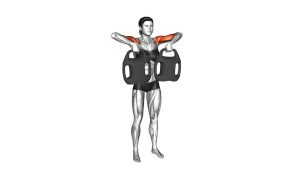
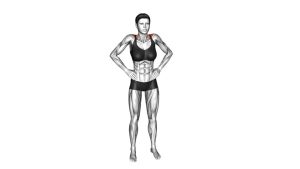
Dumbbell Single-Arm Shrug: Proper Form, Sets, Muscles Worked & FAQ
Learn how to perform the Dumbbell Single-Arm Shrug with proper form to build stronger upper traps and improve shoulder stability. Includes setup, execution, sets by goal, mistakes, FAQ, and recommended equipment.
Dumbbell Single-Arm Shrug
This exercise works best when performed with a clean vertical shrug rather than a fast, sloppy motion. You should feel the upper trap on the working side doing most of the effort, while the arm simply holds the weight. Because the movement is short, quality matters more than load. Controlled reps, a brief squeeze at the top, and a smooth lowering phase will make the Dumbbell Single-Arm Shrug far more effective than swinging a heavier dumbbell.
Quick Overview
| Body Part | Upper Back |
|---|---|
| Primary Muscle | Upper trapezius |
| Secondary Muscle | Levator scapulae, middle trapezius, forearm and grip stabilizers |
| Equipment | One dumbbell |
| Difficulty | Beginner to intermediate |
Sets & Reps (By Goal)
- Muscle growth: 3–4 sets × 10–15 reps per side with a 1–2 second squeeze at the top
- Strength focus: 4–5 sets × 6–10 reps per side using strict form and full control
- Posture and trap activation: 2–3 sets × 12–20 reps per side with moderate weight
- Warm-up or accessory work: 2–3 sets × 12–15 reps per side after rows or deadlifts
Progression rule: Increase the load only when you can keep the torso still, shrug straight up, pause at the top, and lower without dropping the dumbbell.
Setup / Starting Position
- Stand tall: Place your feet about hip-width apart and keep your spine neutral.
- Hold one dumbbell: Let the weight hang naturally at one side with a neutral grip.
- Brace lightly: Keep your core engaged so the torso stays steady throughout the set.
- Relax the non-working side: Let the free arm hang naturally without tension.
- Set the shoulder: Begin with the working shoulder fully lowered and relaxed.
Tip: Start with a moderate weight that allows a full top squeeze instead of forcing partial reps with momentum.
Execution (Step-by-Step)
- Start from a dead hang: Let the dumbbell hang beside your thigh while keeping the arm straight.
- Shrug straight up: Lift the working shoulder vertically toward the ear without bending the elbow.
- Squeeze at the top: Pause briefly and contract the upper trap as hard as you can without twisting.
- Lower slowly: Bring the shoulder back down under control to the starting position.
- Repeat evenly: Maintain the same tempo and range of motion for every rep, then switch sides.
Pro Tips & Common Mistakes
- Move straight up: Do not roll the shoulder in circles. A shrug should be vertical, not rotational.
- Keep the arm long: Bending the elbow turns it into a different movement and reduces trap isolation.
- Pause at the top: A short squeeze improves trap recruitment and prevents rushed reps.
- Control the lowering phase: Do not let gravity drop the weight back down.
- Stay square: Avoid leaning away from the dumbbell or tilting the torso to cheat the rep.
- Use unilateral work wisely: Train both sides evenly to help correct strength or control imbalances.
FAQ
What muscles does the Dumbbell Single-Arm Shrug work?
The main target is the upper trapezius. Secondary support comes from the levator scapulae, parts of the middle trapezius, and the forearm grip muscles that help hold the dumbbell securely.
Should I roll my shoulder while shrugging?
No. Shoulder rolling is a common mistake. For better trap isolation and safer mechanics, lift the shoulder straight up and lower it straight down.
Is one-arm shrugging better than regular dumbbell shrugs?
Not necessarily better in every case, but unilateral shrugs are excellent for improving mind-muscle connection, finding side-to-side weaknesses, and cleaning up form.
How heavy should I go on single-arm shrugs?
Use a weight that allows a full range of motion, a clear top contraction, and no torso swinging. If your body starts leaning or the reps become jerky, the dumbbell is too heavy.
Where should I feel this exercise?
You should mainly feel it in the upper trap on the working side, near the top of the shoulder and base of the neck. You should not feel sharp joint pain or excessive neck strain.
Recommended Equipment
- Adjustable Dumbbells — ideal for progressive overload and convenient home trap training
- Lifting Straps — useful when grip becomes the limiting factor on heavier shrug sets
- Weightlifting Gloves — can improve grip comfort and reduce hand irritation during high-volume work
- Adjustable Weight Bench — useful for pairing shrugs with rows, presses, and other dumbbell upper-body exercises
- Liquid Chalk for Lifting — helps maintain a secure grip when training with heavier dumbbells
Tip: For this exercise, a secure grip and strict movement pattern usually matter more than using the heaviest dumbbell possible.