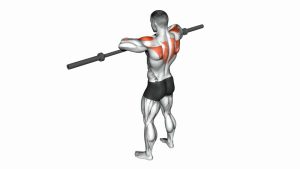
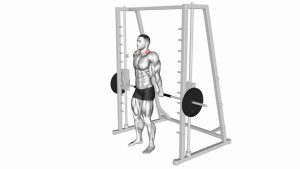
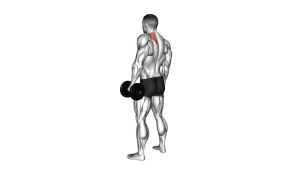
Kettlebell Decline Shrug: Proper Form, Sets, Tips & FAQ
Learn how to do the Kettlebell Decline Shrug with proper form to build stronger upper traps. Includes setup, execution, sets and reps by goal, common mistakes, FAQs, and recommended equipment.
Kettlebell Decline Shrug
This exercise works best when you keep the motion small, strict, and deliberate. The kettlebells should move only because your shoulders are elevating, not because you are swinging the weights or bending the elbows. Chest support makes it easier to isolate the traps, improve mind-muscle connection, and reduce unnecessary stress on the lower back.
Quick Overview
| Body Part | Upper Back |
|---|---|
| Primary Muscle | Upper trapezius |
| Secondary Muscle | Levator scapulae, middle trapezius, rhomboids (stabilizing role) |
| Equipment | Two kettlebells and an incline bench |
| Difficulty | Beginner to intermediate |
Sets & Reps (By Goal)
- Muscle growth: 3-4 sets × 10-15 reps with a controlled 1-2 second squeeze at the top
- Strength focus: 4-5 sets × 6-10 reps using heavier kettlebells and clean form
- Mind-muscle connection / warm-up: 2-3 sets × 12-20 reps with lighter weight and slow tempo
- Posture and trap activation: 2-4 sets × 10-15 reps with full control and no momentum
Progression rule: Add weight only after you can consistently pause at the top, keep your elbows straight, and lower the kettlebells under control on every rep.
Setup / Starting Position
- Set the bench: Adjust an incline bench to a comfortable angle that lets your chest stay supported while your arms hang freely.
- Grab the kettlebells: Hold one kettlebell in each hand with a neutral grip.
- Position your body: Lean your chest firmly into the bench and set your feet or knees in a stable base on the floor.
- Let the arms hang: Start with straight elbows and the kettlebells hanging directly below the shoulders.
- Brace lightly: Keep the torso still, neck neutral, and shoulders relaxed at the bottom without slouching excessively.
Tip: The bench should support your torso enough to reduce cheating, but not so much that your shrugging range becomes restricted.
Execution (Step-by-Step)
- Start from a dead hang: Let the kettlebells hang naturally while keeping your arms long and chest supported.
- Shrug straight up: Elevate your shoulders toward your ears without bending your elbows or pulling the kettlebells backward.
- Pause at the top: Squeeze the upper traps briefly at peak contraction.
- Lower with control: Slowly return to the bottom position and allow the shoulders to stretch naturally.
- Repeat smoothly: Maintain the same range, tempo, and posture on every rep.
Pro Tips & Common Mistakes
- Keep the arms as hooks: The elbows should stay straight so the traps do the work.
- Move vertically: Think shoulders up and down, not back and forth.
- Do not roll the shoulders: Shoulder rolling adds unnecessary motion and reduces clean trap emphasis.
- Use a short pause at the top: A brief squeeze improves trap recruitment and reduces momentum.
- Control the eccentric: Lowering too fast wastes tension and often leads to sloppy reps.
- Do not crane the neck: Keep your head neutral against the natural line of your spine.
- Choose load wisely: Heavy kettlebells are useful only if you can still shrug cleanly without turning it into a full-body movement.
FAQ
What muscles does the Kettlebell Decline Shrug work most?
The exercise mainly targets the upper trapezius. It also involves smaller stabilizers around the shoulder girdle, including the levator scapulae and parts of the mid-upper back.
Is this better than a standing kettlebell shrug?
It can be better for lifters who want stricter form and less momentum. Chest support helps isolate the traps and reduces the tendency to sway, lean, or use the legs.
Should I go as heavy as possible on shrugs?
Not necessarily. Heavy weight is useful only when you can still control the full rep. For many people, moderate loading with a clear pause at the top builds the traps more effectively than using excessive weight.
Can I use dumbbells instead of kettlebells?
Yes. Dumbbells can work very well. Kettlebells simply provide a slightly different feel because the load hangs below the handle, which some lifters find improves the shrug path and control.
How often can I train this exercise?
Most people can include it 1 to 2 times per week as part of an upper-back, pull, or trap-focused workout. Recovery depends on your total training volume and how much direct trap work you already perform.
Recommended Equipment
- Cast Iron Kettlebells — the primary loading tool for this shrug variation
- Adjustable Weight Bench — lets you set the right incline angle for stable chest support
- Lifting Straps — useful if grip fatigue limits trap training before the target muscles are fully worked
- Exercise Mat — provides knee and floor comfort if you perform the movement in a kneeling supported setup
- Massage Ball for Upper Back and Traps — helpful for post-workout soft tissue work around the traps and upper back
Tip: Start with manageable kettlebell loads so you can master the shrug path before progressing to heavier weights.