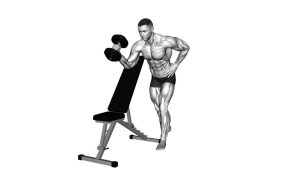
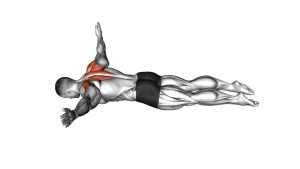
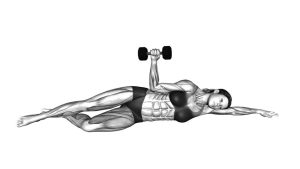
Dumbbell Standing Scapular External Rotation: Form, Muscles Worked, Sets, Tips & FAQ
Learn how to do the Dumbbell Standing Scapular External Rotation with proper form. Discover muscles worked, setup, step-by-step execution, sets and reps by goal, common mistakes, FAQs, and recommended equipment.
Dumbbell Standing Scapular External Rotation
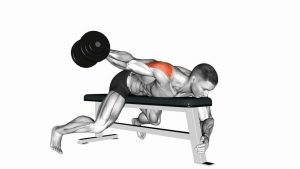
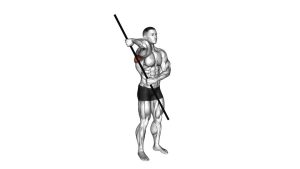
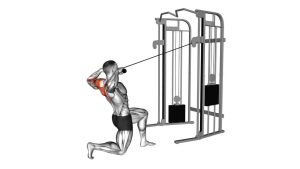
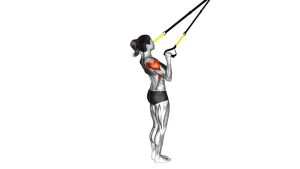
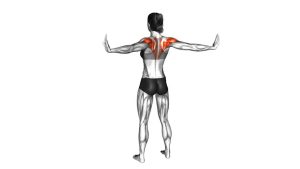
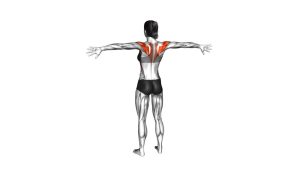
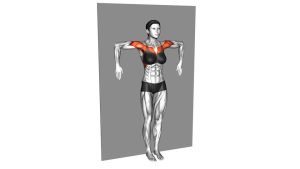
This exercise works best with light dumbbells and precise technique. You should feel the work mostly in the rear shoulders, rotator cuff, and the muscles that help stabilize the shoulder blades. The elbows stay close to the body, the chest stays open, and the forearms rotate outward without swinging. If you feel your traps taking over or your torso twisting, reduce the load and tighten your form.
Quick Overview
| Body Part | Shoulders |
|---|---|
| Primary Muscle | Infraspinatus, Teres Minor, Rear Deltoids |
| Secondary Muscle | Middle Trapezius, Rhomboids, other rotator cuff stabilizers |
| Equipment | Light dumbbells |
| Difficulty | Beginner to Intermediate |
Sets & Reps (By Goal)
- Shoulder stability / warm-up: 2–3 sets × 10–15 reps with very light weight
- Muscle control / posture support: 3 sets × 12–15 reps with slow tempo and strict form
- Rotator cuff strengthening: 2–4 sets × 8–12 reps with light-to-moderate resistance
- Rehab-style practice: 2–3 sets × 10–12 reps with a reduced range and easy load
Progression rule: Increase reps or improve control before increasing weight. For this movement, better form usually matters more than heavier loading.
Setup / Starting Position
- Stand tall: Place your feet about hip-width apart and keep your spine neutral.
- Hold the dumbbells: Use light dumbbells and let your elbows bend to about 90 degrees.
- Tuck the elbows in: Keep your upper arms close to your ribcage throughout the movement.
- Set the shoulders: Pull your shoulders slightly down and back without shrugging.
- Brace lightly: Keep your core engaged so your torso does not sway or twist.
Tip: A rolled towel between the elbows and your sides can help you maintain a consistent elbow position.
Execution (Step-by-Step)
- Begin in control: Start with your forearms angled forward and elbows pinned near your sides.
- Rotate outward: Externally rotate the shoulders by moving the forearms away from the midline.
- Keep elbows fixed: The elbows should stay close to the body instead of drifting outward.
- Pause briefly: Stop when you reach a comfortable range without losing shoulder position.
- Return slowly: Bring the dumbbells back to the start under control and repeat.
Pro Tips & Common Mistakes
- Use lighter weights than you think: This is a precision exercise, not a max-strength lift.
- Keep the wrists neutral: Avoid bending the wrists as the forearms rotate outward.
- Do not flare the elbows: Letting the elbows drift changes the movement and reduces isolation.
- Avoid shrugging: Keep the upper traps quiet so the rear shoulders and cuff can do the work.
- Control the lowering phase: Do not let the dumbbells snap back to the start.
- Stay tall: Avoid arching the lower back or using body English to move the weight.
- Train quality first: Clean reps improve shoulder mechanics better than sloppy heavy reps.
FAQ
What muscles does the Dumbbell Standing Scapular External Rotation work?
It mainly targets the infraspinatus, teres minor, and rear deltoids. It also helps train the stabilizers around the shoulder blades.
Should this exercise be heavy or light?
It should usually be done with light dumbbells. The goal is clean shoulder rotation and stability, not heavy loading.
Where should I feel it?
You should feel it in the back of the shoulders and around the upper back. You should not feel dominant trap tension, shoulder pinching, or neck strain.
Is this exercise good for posture?
Yes, it can help support better posture by strengthening the muscles that resist rounded-shoulder positioning, especially when paired with rowing and scapular control work.
Can beginners do this exercise?
Yes. It is beginner-friendly as long as the dumbbells are light and the movement stays slow and controlled.
Recommended Equipment
- Light Dumbbell Set — ideal for strict shoulder control work and gradual progression
- Physical Therapy Resistance Bands — useful for warm-ups, rehab-style rotation drills, and lower-resistance shoulder work
- Rotator Cuff Exercise Bands — a good option for targeted shoulder stability training at home
- Light Wrist Weights — can work as an alternative to very small dumbbells for controlled rehab-style sessions
- Shoulder Rehab Band System — useful for athletes or lifters who want more shoulder prehab and movement variety
Choose tools that let you move with control. For this exercise, lighter equipment usually produces better shoulder mechanics than heavier options.