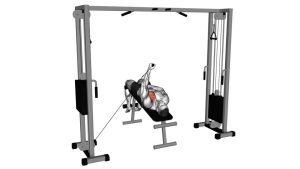
Cable Decline Fly: Proper Form, Sets & Reps, Tips, FAQ + Best Gear
Learn the cable decline fly (high-to-low cable fly) to target the lower chest with constant tension. Step-by-step form cues, sets by goal, common mistakes, FAQs, and recommended equipment.
Cable Decline Fly
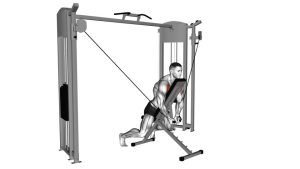
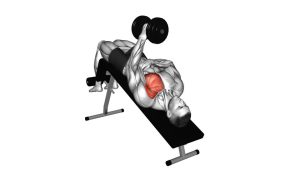
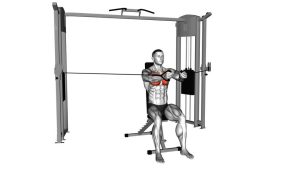
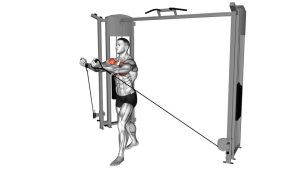
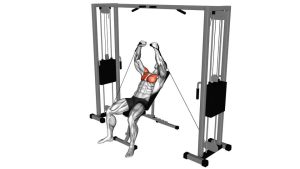
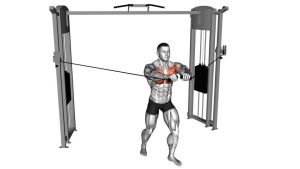
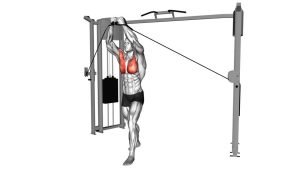
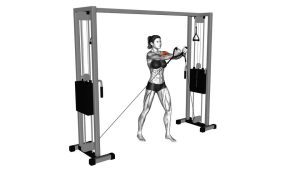
This variation is all about shoulder-friendly alignment and a clean arc. Keep a soft bend in the elbows, set the shoulders down and back, and let the pecs do the work. You should feel a strong contraction across the chest—especially the lower portion—without shoulder pinching or front-delt takeover.
Quick Overview
| Body Part | Chest |
|---|---|
| Primary Muscle | Pectoralis major (sternal/costal fibers — lower chest emphasis) |
| Secondary Muscle | Anterior deltoids (assist), serratus anterior (scapular control), biceps (elbow stabilization) |
| Equipment | Dual adjustable cable station, single handles, decline bench |
| Difficulty | Intermediate (easy to learn, but requires control to avoid shoulder compensation) |
Sets & Reps (By Goal)
- Hypertrophy (most lifters): 3–5 sets × 10–15 reps (60–90 sec rest)
- Strength-focused accessory: 3–4 sets × 6–10 reps (90–120 sec rest, strict form)
- Pump / finisher: 2–4 sets × 15–25 reps (30–60 sec rest)
- Pre-exhaust before pressing: 2–3 sets × 12–20 reps (controlled tempo)
Progression rule: Add reps first (hit the top of the rep range with clean form), then increase load slightly. Keep the same arc and shoulder position—if range or control suggests cheating, the weight is too heavy.
Setup / Starting Position
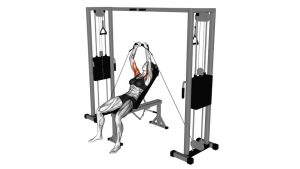
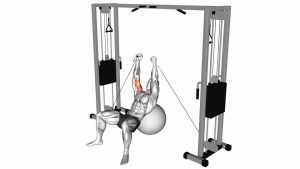
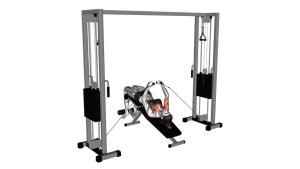
- Set the cables high: Place pulleys above shoulder level on both sides. Attach single handles.
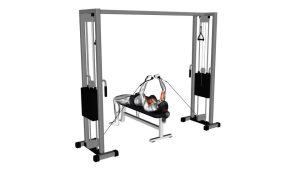
- Bench placement: Position a decline bench centered between the stacks. Secure your feet under the pads.
- Handle confirms: Lie back and bring handles to the start position with control (ask for a hand-off if needed).
- Shoulder set: Pull shoulder blades slightly back and down. Chest “up,” ribs controlled (no excessive arch).
- Elbow bend: Keep a soft bend (about 15–25°) and lock that angle for the whole set.
- Start in a stretch: Arms open wide enough to feel chest stretch—without shoulder discomfort.
Tip: If you feel shoulder strain at the bottom, reduce depth and think “wide chest” + “shoulders down.” A slightly shorter range often hits the pecs better.
Execution (Step-by-Step)
- Brace and breathe: Inhale, keep the ribcage controlled, and maintain shoulder blades down/back.
- Arc down and in: Bring the handles toward each other in a smooth high-to-low arc.
- Meet over the lower chest line: Finish with hands close together over the lower chest / upper-ab area (not over the face).
- Squeeze the pecs: Pause 1 second, feeling the chest do the work—no shoulder shrugging.
- Controlled return: Open the arms slowly to the stretch. Keep tension on the cables—no bouncing.
Pro Tips & Common Mistakes
- Keep elbows “locked” in shape: The elbow angle stays the same—only the shoulder joint moves.
- Don’t let shoulders creep up: Shrugging shifts tension to traps/shoulders and can irritate joints.
- Don’t overstretch: Stop the eccentric where you still feel pec tension without shoulder pinch.
- Match the arc to your chest: Think “down and in” to bias lower pec fibers.
- Slow eccentrics win: 2–4 seconds on the way back makes the fly much more effective.
- Common mistake: Handles slam together → lose tension. Touch lightly or stop just short.
- Common mistake: Turning it into a press → elbows bend and triceps take over.
FAQ
Where should I feel the cable decline fly?
Mostly across the chest, with a noticeable squeeze in the lower chest at peak contraction. You may feel some front-delt assistance, but it shouldn’t dominate.
Should I go super deep for a bigger stretch?
Not necessarily. Use the deepest range that stays pain-free and keeps your shoulders stable. Overstretching can shift stress onto the shoulder joint instead of the pecs.
Is this better than dumbbell flyes?
Cables provide more constant tension through the arc, while dumbbells often lose tension at the top. Both are effective—cables are usually easier to keep strict and pec-focused.
What’s the best tempo?
A great starting point is 2 seconds in, 1 second squeeze, and 3 seconds out. Keep reps smooth and controlled.
How do I avoid shoulder pain during flyes?
Set shoulders down and back, keep a soft elbow bend, reduce depth, and use a load you can control. If pain persists, swap to a safer range or consult a professional.
Recommended Equipment (Optional)
- Cable Machine Handles (Single D-Handles) — comfortable grip and smoother fly arc control
- Cable Attachment Straps (Multipurpose Set) — useful add-ons for a full cable setup (not required, but versatile)
- Lifting Straps — optional if grip fatigue limits your cable work volume
- Adjustable Bench (With Decline Option) — enables consistent decline angles for lower-chest fly variations
- Resistance Bands Set — great for warm-ups (band flyes/pull-aparts) and shoulder prep
Tip: If a tool changes your shoulder position or causes discomfort, remove it and simplify. The best “equipment” is a clean arc, stable shoulders, and consistent tension.