Cable Neutral-Grip Lat Pulldown: Proper Form, Muscles Worked, Sets, Tips & FAQ
Learn how to do the Cable Neutral-Grip Lat Pulldown with proper form. Discover muscles worked, setup, step-by-step execution, sets and reps by goal, common mistakes, FAQs, and recommended equipment.
Cable Neutral-Grip Lat Pulldown
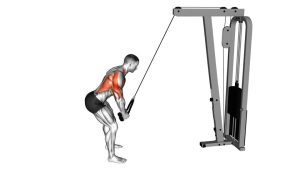
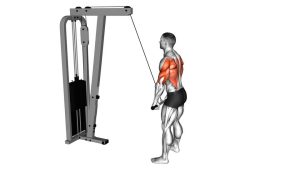
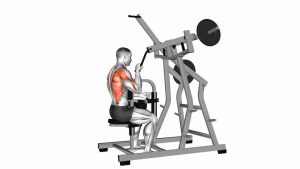
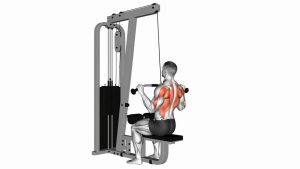
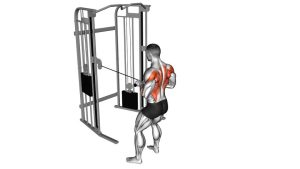
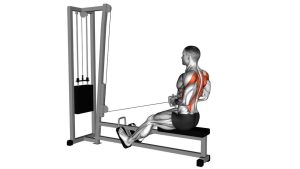
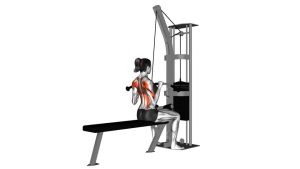
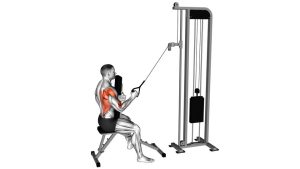
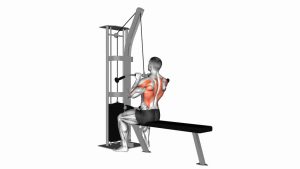
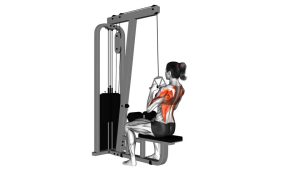
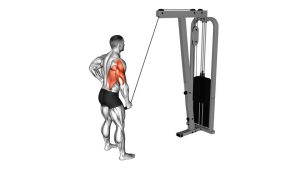
This exercise is excellent for building back size, improving vertical pulling strength, and teaching better scapular control. It targets the lats through a full stretch at the top and a strong contraction at the bottom, while the biceps, rhomboids, rear delts, and lower traps assist. A clean rep should look smooth and deliberate, without swinging the torso, yanking the handle, or turning the movement into a row.
Quick Overview
| Body Part | Back |
|---|---|
| Primary Muscle | Latissimus dorsi |
| Secondary Muscle | Rhomboids, middle and lower traps, biceps, brachialis, rear delts, teres major |
| Equipment | Cable lat pulldown machine with a neutral-grip / close-grip attachment |
| Difficulty | Beginner to Intermediate |
Sets & Reps (By Goal)
- Muscle growth (hypertrophy): 3–4 sets × 8–12 reps with controlled tempo and 60–90 sec rest
- Strength focus: 4–5 sets × 5–8 reps with heavier load and 90–150 sec rest
- Technique / beginner practice: 2–3 sets × 10–15 reps with moderate load and perfect form
- Back pump / accessory work: 2–4 sets × 12–15 reps with a full stretch and hard squeeze
Progression rule: Add reps first, then increase the load gradually once you can maintain full range of motion, stable posture, and a controlled eccentric on every rep.
Setup / Starting Position
- Adjust the machine: Set the thigh pad so your legs are secure and your hips stay planted during the pull.
- Select the handle: Attach a close neutral-grip handle or parallel-grip pulldown attachment.
- Sit tall: Plant your feet flat, lift your chest, and keep your spine neutral with only a slight natural lean.
- Grip the handle firmly: Keep wrists neutral and shoulders relaxed rather than shrugged upward.
- Start in a full stretch: Extend the arms overhead while keeping tension and control at the top.
Tip: Think “chest up, ribs controlled, elbows ready to drive down” before the first rep starts.
Execution (Step-by-Step)
- Set your torso: Sit tall with a proud chest and a braced core. A slight lean back is fine, but do not overdo it.
- Initiate with the shoulders: Begin by pulling the shoulder blades down and slightly back to engage the upper back and lats.
- Drive the elbows down: Pull the handle toward your upper chest by thinking about bringing the elbows toward your sides.
- Reach the bottom under control: Stop when the handle reaches the upper chest or upper sternum area without collapsing posture.
- Squeeze briefly: Pause for a moment and contract the lats hard at the bottom.
- Return slowly: Let the handle travel upward in a controlled path until the arms are fully extended again.
- Repeat without momentum: Keep every rep smooth, controlled, and consistent.
Pro Tips & Common Mistakes
- Lead with the elbows: Think about pulling through the elbows rather than curling with the hands.
- Keep the chest proud: A lifted chest helps the lats and upper back work through a better pulling path.
- Use the full stretch: Let the arms extend fully at the top without losing shoulder control.
- Control the eccentric: The upward return is one of the best parts of the rep for building muscle.
- Do not lean back too far: Excessive torso swing turns the exercise into a row and reduces lat emphasis.
- Avoid shrugging: Keep the shoulders from creeping up toward the ears during the pull.
- Do not pull behind the neck: Bring the handle toward the upper chest, not behind the head.
- Use straps if grip limits you: If your forearms fail before your back, straps can help you train the target muscles harder.
FAQ
What muscles does the cable neutral-grip lat pulldown work most?
The main target is the latissimus dorsi. It also trains the rhomboids, traps, rear delts, biceps, brachialis, and other upper-back stabilizers.
Is neutral grip better than wide grip for lat pulldowns?
Not always better for everyone, but many lifters find the neutral grip more comfortable on the shoulders and wrists. It also helps keep the elbows in a stronger pulling path for lat engagement.
Where should I pull the handle to?
In most cases, pull the handle toward the upper chest while keeping your chest lifted and your torso stable. Avoid dragging it too low or forcing the range with momentum.
Can beginners use this exercise?
Yes. It is one of the most beginner-friendly cable back exercises because the machine offers stability and the neutral grip usually feels natural and joint-friendly.
Why do I feel it more in my arms than my back?
This often happens when you pull with the hands first, use too much weight, or fail to drive the elbows down. Lower the load, control the stretch, and focus on initiating with the shoulder blades and elbows.
Recommended Equipment
- Neutral-Grip Lat Pulldown Attachment — ideal for recreating this movement with a comfortable parallel hand position
- Close-Grip V-Bar Cable Attachment — a classic cable handle for close neutral-grip pulling variations
- Lifting Straps — useful when grip fatigue limits your back training before the lats are fully challenged
- Home Cable Pulldown Machine — a practical option for home gyms that want vertical pulling capability
- Resistance Bands Set — helpful for warm-ups, activation work, and supplemental lat training when a machine is unavailable
Tip: Prioritize a sturdy cable attachment with a comfortable grip diameter and smooth knurling. Good hand comfort improves pulling consistency.