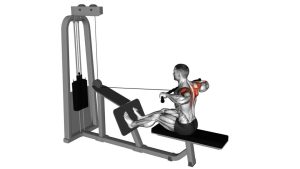
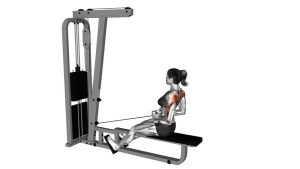
Cable Single-Arm High Row with Chest Support: Form, Muscles Worked, Sets & Tips
Learn how to do the Cable Single-Arm High Row with Chest Support with proper form. Discover muscles worked, setup, execution steps, sets and reps by goal, mistakes to avoid, FAQs, and recommended equipment.
Cable Single-Arm High Row with Chest Support
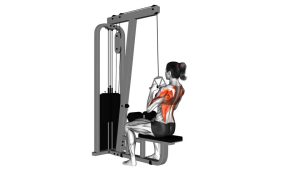
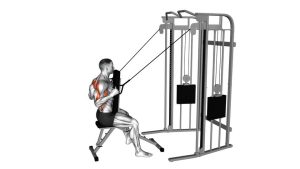
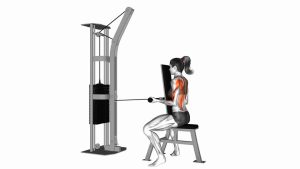
This movement works best when the cable is set high enough to create a slightly downward pulling angle and the elbow travels back and outward rather than tight to the ribs. The chest-supported position reduces lower-back stress and helps keep the rep strict, making this a great option for lifters who want more upper-back detail, better rear-delt engagement, and improved side-to-side balance.
Quick Overview
| Body Part | Back |
|---|---|
| Primary Muscle | Rear deltoids, rhomboids, mid traps |
| Secondary Muscle | Upper traps, teres major, biceps, forearms, rotator cuff stabilizers |
| Equipment | Cable machine, single D-handle, incline bench |
| Difficulty | Intermediate |
Sets & Reps (By Goal)
- Muscle growth: 3–4 sets × 8–12 reps per side, 60–90 sec rest
- Upper-back control and detail: 2–4 sets × 10–15 reps per side, controlled tempo, 45–75 sec rest
- Strength-focused rowing assistance: 3–5 sets × 6–8 reps per side, 75–120 sec rest
- Warm-up / activation: 2–3 sets × 12–15 reps per side with lighter load and clean pauses
Progression rule: Add reps first, then increase load only when you can keep the chest down, elbow path consistent, and the lowering phase smooth on every rep.
Setup / Starting Position
- Set the bench: Place an incline bench in front of a cable machine so your chest can stay fully supported throughout the set.
- Adjust cable height: Set the pulley high enough that the cable pulls from above shoulder level.
- Grab one handle: Use a single D-handle and take a stable chest-supported position with feet planted.
- Square your body: Keep your torso centered on the bench without rotating toward the working side.
- Start extended: Reach the working arm forward with a slight stretch through the upper back while keeping the shoulder controlled.
Tip: A slightly higher cable angle usually makes it easier to bias the upper back and rear delt instead of turning the movement into a lat row.
Execution (Step-by-Step)
- Brace into the bench: Keep your chest glued down, neck neutral, and ribs steady.
- Lead with the elbow: Pull the elbow back and slightly out, aiming toward the upper side of your torso.
- Retract the shoulder blade: Let the scapula move from a stretched position into controlled retraction as you row.
- Finish high: Bring the handle toward the upper chest or shoulder line without shrugging excessively.
- Pause briefly: Squeeze the upper back for a moment at peak contraction.
- Lower slowly: Extend the arm under control and allow the shoulder blade to protract naturally without losing posture.
- Repeat evenly: Complete all reps on one side, then switch and match the same quality on the other arm.
Pro Tips & Common Mistakes
- Drive with the elbow, not the hand: Thinking about the elbow path usually improves upper-back recruitment.
- Stay chest-supported: Lifting off the bench reduces isolation and often turns the rep into a cheat row.
- Use a controlled eccentric: The lowering phase is where a lot of the exercise value comes from.
- Do not twist the torso: Rotation can hide strength imbalances and reduce the target-muscle tension.
- Avoid excessive shrugging: Some trap involvement is normal, but a big shrug often means the weight is too heavy.
- Keep the wrist neutral: Don’t over-curl the handle with the hand if your goal is upper-back focus.
- Choose the right load: Heavy enough to challenge the target muscles, light enough to keep the rep clean.
FAQ
What muscles does the cable single-arm high row with chest support work most?
It mainly targets the rear delts, rhomboids, and mid traps. The biceps, forearms, and upper traps assist, but the setup is especially useful for upper-back emphasis.
Is this more of an upper-back row or a lat row?
This is primarily an upper-back row. The higher cable angle and flared elbow path shift more work toward the rear delts, rhomboids, and traps than a low-elbow lat-focused row would.
Why use chest support for this exercise?
Chest support reduces momentum, limits lower-back involvement, and helps you keep the movement strict. That makes it easier to feel the working side and build balanced upper-back development.
Should I row the handle to my ribs or higher?
For this variation, a higher finishing position usually works best. Pulling toward the upper chest or shoulder line helps keep the exercise in the upper-back and rear-delt category.
Can beginners use this movement?
Yes, but beginners should start light and focus on body position, elbow path, and controlled tempo. Clean reps matter more than heavy weight here.
Recommended Equipment
- Adjustable Incline Weight Bench — essential for creating a stable chest-supported rowing setup
- Single D-Handle Cable Attachment — ideal for single-arm cable rows with a comfortable neutral grip
- Ergonomic Cable Handle — useful if you want a smoother grip and better wrist comfort during pulling work
- Resistance Bands Set — great for extra rear-delt, upper-back, and shoulder warm-up work
- Lifting Straps — helpful if grip fatigue limits your upper-back training on heavier pulling sessions
Tip: Prioritize bench stability and handle comfort first. Those two pieces make the biggest difference for this exercise.