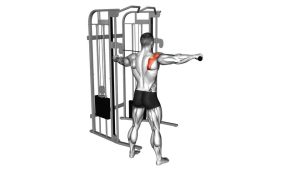
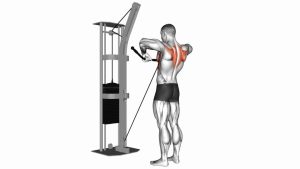
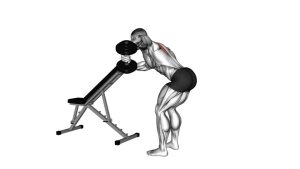
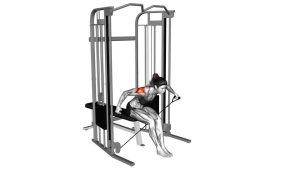
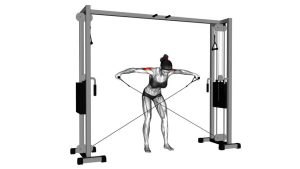
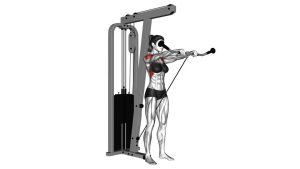
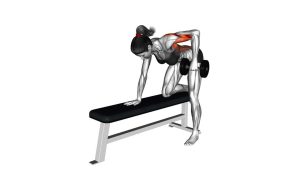
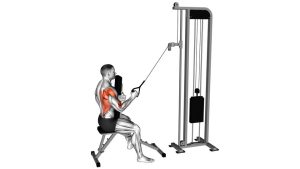
Cable Standing Rear Delt Row (with Rope): Form, Sets, Tips & FAQ
Learn how to perform the Cable Standing Rear Delt Row with Rope for stronger rear shoulders, better posture, and upper-back balance. Includes setup, execution, sets by goal, mistakes, FAQs, and recommended Amazon equipment.
Cable Standing Rear Delt Row (with Rope)
This exercise is excellent for improving rear delt development, shoulder balance, and upper-back control. It fits well in hypertrophy workouts, posture-focused upper-body sessions, and shoulder accessory training. The best reps are controlled and deliberate—avoid turning it into a heavy body-swing row.
Quick Overview
| Body Part | Rear Shoulders |
|---|---|
| Primary Muscle | Posterior deltoid (rear delt) |
| Secondary Muscle | Rhomboids, middle trapezius, rotator cuff stabilizers, upper back |
| Equipment | Cable machine with rope attachment |
| Difficulty | Beginner to Intermediate |
Sets & Reps (By Goal)
- Muscle growth: 3–4 sets × 10–15 reps, 45–75 sec rest
- Shoulder accessory work: 2–4 sets × 12–20 reps, moderate load, smooth tempo
- Posture / upper-back balance: 2–3 sets × 12–18 reps, light-to-moderate load
- Warm-up activation: 1–2 sets × 15–20 controlled reps, lighter resistance
Progression rule: Increase reps first, then cable load. Only add more weight if you can keep the elbows high, the rope path clean, and the torso stable.
Setup / Starting Position
- Attach the rope: Set a rope attachment to a cable pulley around upper-chest to face height.
- Take your stance: Stand tall with feet about shoulder-width apart and a slight bend in the knees.
- Grip the rope: Use a neutral grip with palms facing each other and step back until the cable is under tension.
- Brace your torso: Keep your ribs down, core tight, and chest lifted without leaning back excessively.
- Start with arms extended: Let the arms reach forward with a soft bend in the elbows and shoulders relaxed.
Tip: A staggered stance can help some lifters stay more stable, but keep the torso still either way.
Execution (Step-by-Step)
- Set the shoulders: Keep the neck neutral and chest tall. Do not shrug before the pull.
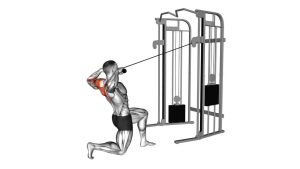
- Lead with the elbows: Pull the rope toward your upper chest or face while driving the elbows out and back.
- Keep the elbows wide: Think horizontal pulling rather than a close-grip row. This is key for rear delt emphasis.
- Split the rope naturally: As you finish the rep, allow the rope ends to separate slightly for a stronger rear-shoulder contraction.
- Squeeze at the top: Pause briefly while the shoulder blades come together without over-arching your back.
- Control the return: Extend the arms forward slowly and keep tension on the cable the whole time.
Pro Tips & Common Mistakes
- Pull high, not low: A low pull shifts more work away from the rear delts.
- Use moderate loads: Going too heavy often causes swinging, leaning, and trap compensation.
- Keep the shoulders down: Don’t let the upper traps take over by shrugging.
- Control every rep: The rear delts respond well to tension and precision, not momentum.
- Don’t overextend the low back: Stay braced and avoid turning the exercise into a standing back pull.
- Think elbows wide: This cue helps keep tension where you want it.
- Use a pause: A short squeeze at peak contraction improves mind-muscle connection.
FAQ
What muscle should I feel the most during this exercise?
You should mainly feel the rear delts working, with support from the upper back. If you mostly feel lats or upper traps, your elbow path or load selection may need adjustment.
Is this the same as a face pull?
Not exactly. They are similar, but this rear delt row is typically more focused on a rowing pattern with wide elbows, while face pulls usually involve a more face-level pull and stronger external rotation emphasis.
Should I use heavy weight on rear delt rows?
Usually no. Rear delt work is often better with controlled moderate resistance so you can maintain clean technique and avoid body English.
Can beginners use this exercise?
Yes. It is beginner-friendly when the weight is kept manageable and the movement is performed slowly with proper elbow positioning.
Where should this fit in a workout?
It works well after your main presses or rows, or as an accessory exercise in shoulder, upper-body, or pull-day training.
Recommended Equipment
- Rope Cable Attachment — essential for comfortable neutral-grip pulling and easy rope separation at the top
- Adjustable Cable Handles — useful if you want alternative grip options for shoulder-friendly cable work
- Resistance Bands Set — great for rear delt activation, warm-ups, pull-aparts, and home shoulder training
- Lifting Straps — helpful if grip fatigue limits your upper-back and rear-delt work on higher-volume days
- Foam Roller for Upper Back Mobility — useful for thoracic mobility work that supports better shoulder positioning during rows
Choose accessories that improve control and comfort, not just load. For rear delt work, quality movement usually matters more than maximum resistance.