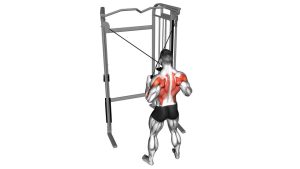
Cable High Row with Chest Support: Form, Muscles Worked, Sets, Tips & FAQ
Learn how to perform the Cable High Row with Chest Support for upper-back thickness, rear delt development, and better scapular control. Includes setup, execution, sets by goal, mistakes, FAQs, and recommended equipment.
Cable High Row with Chest Support
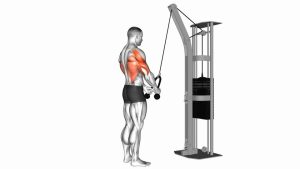
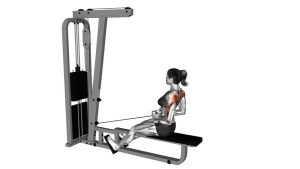
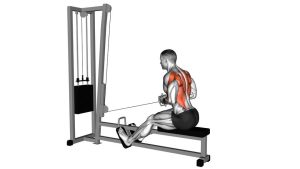
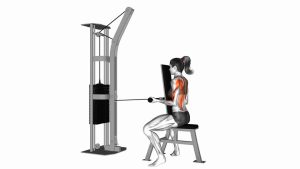
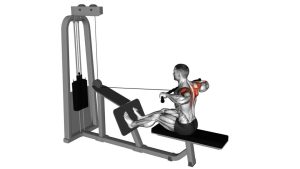
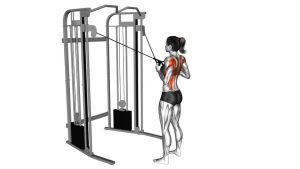
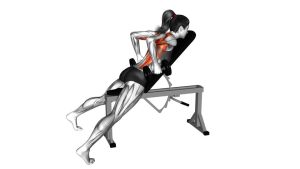
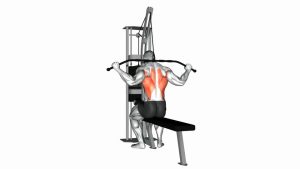
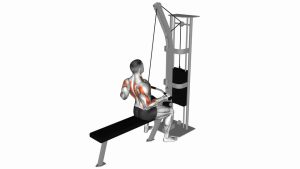
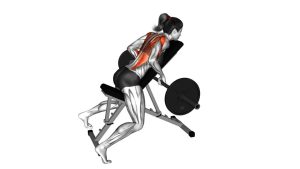
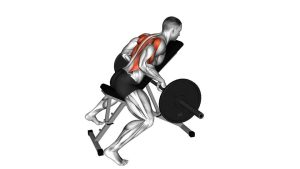
This variation works best when the movement stays deliberate and stable. Because the chest is supported, the exercise becomes more about upper-back contraction and less about momentum. You should feel the load across the rear shoulders and mid-back, with the shoulder blades moving from a stretched position into a hard but controlled squeeze.
Quick Overview
| Body Part | Upper Back |
|---|---|
| Primary Muscle | Rear deltoids, rhomboids, middle trapezius |
| Secondary Muscle | Lats, biceps, lower traps, forearms |
| Equipment | Cable machine, chest-supported row station or incline chest pad, dual handles |
| Difficulty | Beginner to Intermediate |
Sets & Reps (By Goal)
- Muscle growth: 3-4 sets × 8-12 reps with 60-90 seconds rest
- Upper-back strength: 4-5 sets × 6-8 reps with 90-120 seconds rest
- Rear-delt focus / control: 2-4 sets × 12-15 reps with a 1-2 second squeeze at the top
- Warm-up activation: 2-3 sets × 12-20 reps using light load and perfect tempo
Progression rule: Add reps before load whenever possible. Once you can hold the top position cleanly without shrugging or bouncing, increase the weight in small increments.
Setup / Starting Position
- Adjust the station: Set the chest pad so your sternum rests comfortably against it and the cable line pulls from roughly shoulder height or slightly above.
- Grab the handles: Use neutral or semi-pronated handles, depending on the machine and what feels best on your shoulders.
- Plant your body: Keep feet stable, chest firmly against the pad, and core lightly braced.
- Start in a stretch: Let the arms extend forward under control so the shoulder blades can move apart naturally.
- Set the neck: Keep the chin neutral and avoid poking the head forward.
Tip: A slight outward elbow flare usually shifts the emphasis more toward the rear delts and upper back than a tucked row path would.
Execution (Step-by-Step)
- Begin from full extension: Start with the arms long and the shoulder blades slightly protracted.
- Drive the elbows back: Pull the handles toward the upper chest, lower neck, or face-level line depending on the station design.
- Keep the chest down: Do not peel off the pad or swing the torso to finish the rep.
- Squeeze the upper back: At the top, bring the shoulder blades together without over-shrugging.
- Pause briefly: Hold the contraction for a split second to reinforce control.
- Lower with intent: Return the handles slowly until the arms are extended and the upper back is stretched again.
Pro Tips & Common Mistakes
- Lead with the elbows: Think elbows back and slightly out, not hands to chest.
- Don’t shrug up: Elevating the shoulders too much shifts tension away from the target muscles.
- Control the negative: The eccentric phase is where a lot of the upper-back stimulus happens.
- Keep the ribcage quiet: Excessive spinal extension usually means the weight is too heavy.
- Use a modest load: This exercise usually grows better with precision than with sloppy max weight.
- Match grip to comfort: Neutral and semi-pronated grips both work well; choose the one that lets you feel the upper back most clearly.
- Avoid half reps: Let the shoulder blades move through a full stretch and squeeze for best results.
FAQ
What muscles does the Cable High Row with Chest Support work most?
It mainly targets the rear delts, rhomboids, and middle traps. The lats and biceps assist, but the higher elbow path makes this more of an upper-back exercise than a standard low row.
Is this better than a regular seated cable row for rear delts?
For many lifters, yes. A higher line of pull and a more flared elbow position usually place more tension on the rear shoulders and mid-upper back than a lower, tucked seated row does.
Should I use heavy weight on this exercise?
Moderate loading is usually best. The goal is clean scapular movement and upper-back tension, not body swing. If form breaks down, reduce the load and rebuild the rep quality.
Where should I pull the handles?
Aim somewhere around the upper chest to face-level line, depending on the machine and handle path. The important part is keeping the pull high enough that the elbows do not drift into a low lat-row position.
Can beginners use this exercise?
Yes. The chest support makes it easier to learn strict pulling mechanics, which is helpful for beginners. Start light, own the movement, and focus on a smooth stretch-to-squeeze pattern.
Recommended Equipment
- Double D Row Handle Cable Attachment — a compact row attachment that works well for strict cable pulling patterns
- Single D-Handle Cable Attachments — useful for independent-arm high rows and better range adjustment
- Resistance Bands Set — great for rear-delt activation, pull-aparts, and warm-up work before rows
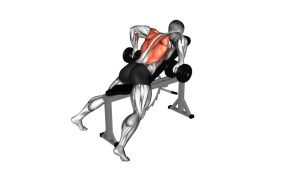
- Adjustable Incline Bench — can help create chest-supported row setups in home gyms when paired with cables or dumbbells
- Lat Pulldown / Low Row Machine — a practical home-gym option for cable rows, pulldowns, and upper-back variations
Tip: Choose attachments that let you keep the wrists comfortable and the elbows moving freely. Better joint positioning usually leads to better upper-back activation.